

On the evening of October 30, 1966, Cheri Jo Bates drove to the Riverside City College library to study. The 18-year-old freshman — an honor student and former high school cheerleader — never came home. A groundskeeper found her body the next morning a short distance from her parked car. Sixty years later, no one has been charged, and the case still unsettles the city of Riverside, ABC7 reported.
A killing that was not random
Investigators concluded early on that Bates had been targeted, not attacked at random. Someone had tampered with her car while she was inside the library, disabling it so it would not start, according to the long-documented record of the case. The working theory has long been that the killer waited, then offered help when she found the car dead, and led her to a dark spot near campus.
She was stabbed and slashed and had fought back; investigators recovered evidence from beneath her fingernails. There was no sign of robbery or sexual assault. Detectives interviewed dozens of people in the days afterward but never made an arrest.
Letters, and a hoax that muddied the case
Weeks after the murder, typed letters claiming responsibility arrived at the Riverside police and a local newspaper, describing details of the crime. Months later, more notes followed, including one with the chilling line that there would be "more." For decades, those letters fueled a theory that Bates had been an early victim of the Zodiac Killer, the unidentified murderer who terrorized Northern California in the late 1960s — a connection the Zodiac's own letters seemed to encourage.
That theory has since been undercut. Riverside police announced in 2021 that DNA testing had identified the author of the 1966 and 1967 letters — not the Zodiac, but a local individual, and the letters a hoax. The department has said it does not believe the Zodiac was responsible and that the killer was most likely someone Bates knew. Some researchers continue to argue for a Zodiac link, but that view is contested and rejected by investigators.
Still open, still pursued
Over the years, detectives have identified at least one person of interest — described in case records as someone who had briefly known Bates — but forensic testing has not produced enough to support charges. No one has been publicly named.
Riverside police say the case remains active and that they are applying newer DNA and forensic techniques to old evidence. A substantial reward is offered for information leading to an arrest. For the Bates family, who endured decades of false leads, and for a city that has never forgotten the name, the file stays open — a six-decade silence that Riverside still hopes to break.
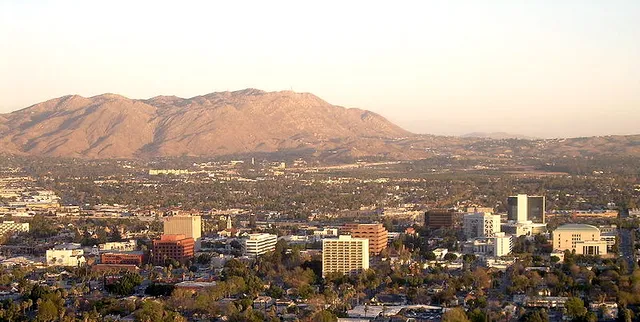
The Los Angeles Herald does not publish crime-scene or victim imagery in cold-case coverage; the photograph above shows the city of Riverside.