The naval side of the war with Iran produced another confrontation on Friday, ABC7 reports: the U.S. military disabled a tanker that it says repeatedly tried to break the American blockade of Iran's ports.
What happened
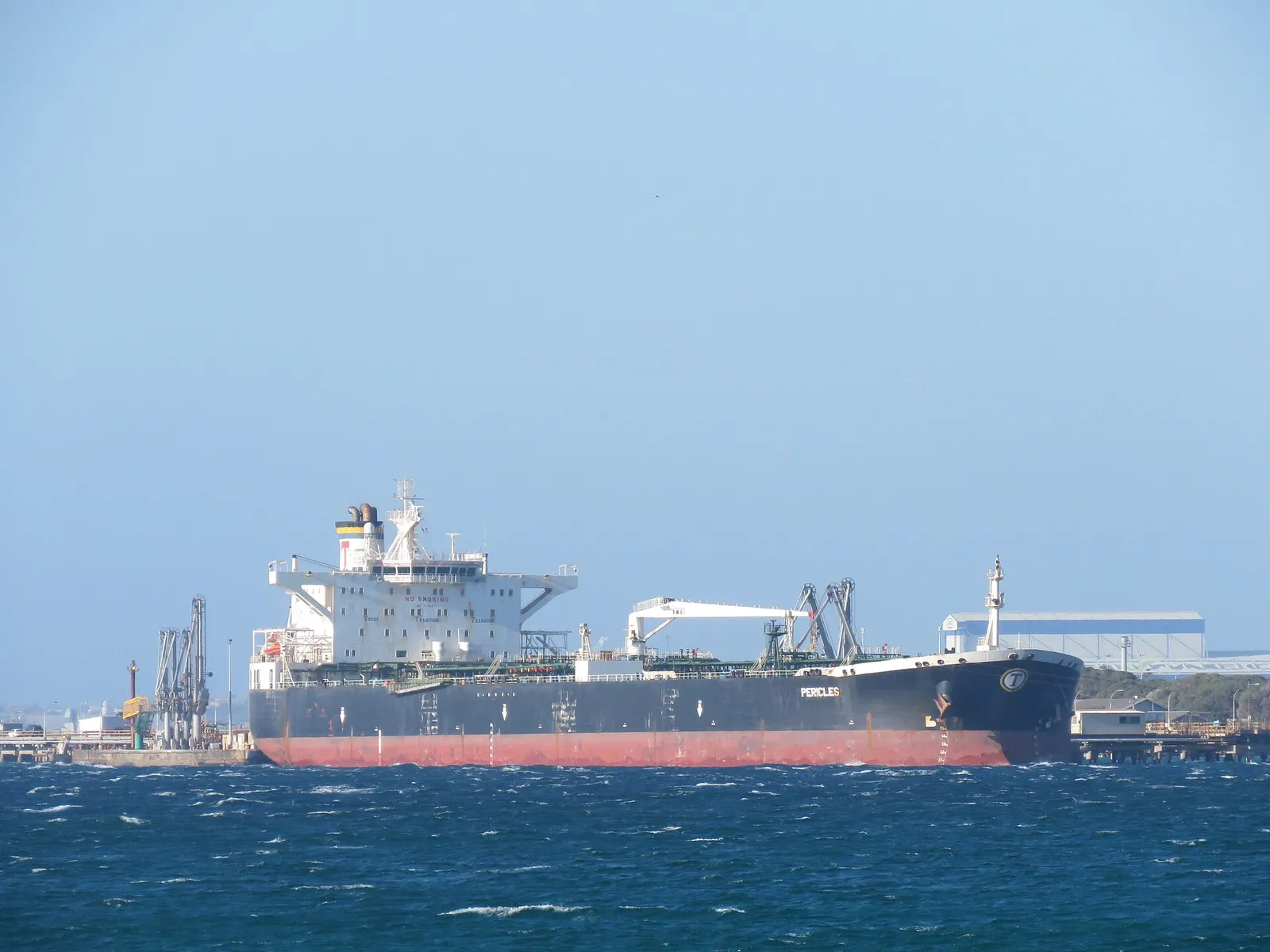
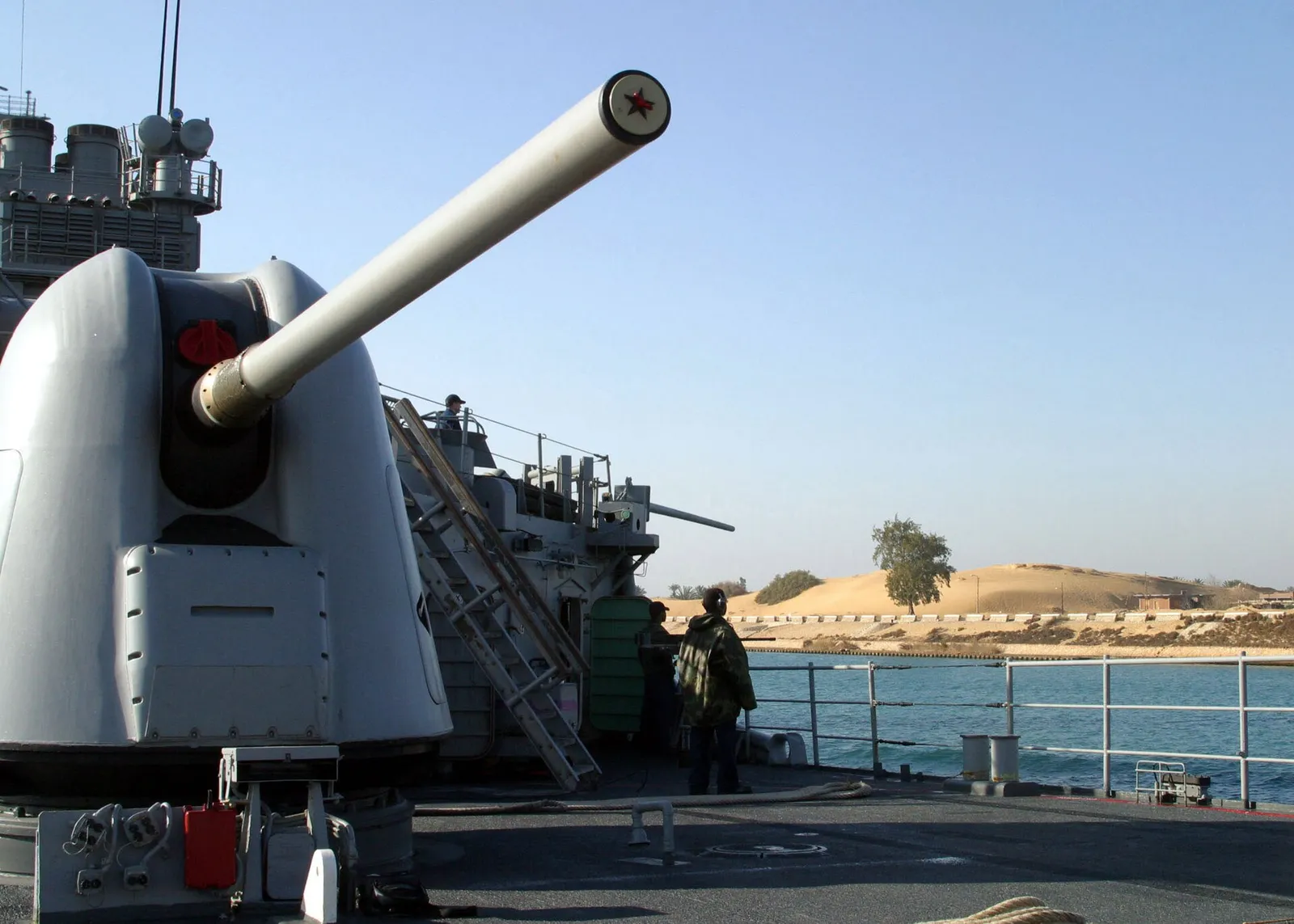
According to U.S. Central Command, the ship was the M/T Lavine, and the encounter took place in the Gulf of Oman. The vessel, the military says, "attempted to run the blockade at least four times." After it received warnings and did not comply, American forces "fired into its engine room," disabling it. Captain Tim Hawkins, a Central Command spokesman, described the sequence.
The available account includes no information on casualties.
The blockade, and the pattern
This is not an isolated event but part of a widening campaign at sea. The Lavine is the second commercial vessel U.S. forces have disabled since reimposing the blockade of Iranian ports, and Central Command said it had redirected 12 other ships. The stated aim is to "further degrade Iran's ability to threaten civilian mariners and commercial vessels" and to reopen the Strait of Hormuz, the chokepoint through which a large share of the world's oil moves.
There is a tension worth naming in that justification. The United States describes the blockade as protecting commercial shipping, and it is now firing on commercial ships to enforce it. Both things can be true, a blockade meant to secure a waterway will, by design, stop and sometimes disable the vessels that try to cross it, but it is a reminder that a blockade is itself a form of pressure on civilian trade, not only a shield for it.
The wider war
The naval clashes sit inside a larger escalation. This came during the 13th consecutive night of U.S. strikes on Iran, and a day after President Trump said he was weighing "a massive attack. Bigger than ever before." At the same time, and somewhat at odds with that threat, Trump characterized ongoing negotiations as "by far the most serious that we've seen," leaving the direction of the conflict genuinely unclear: closer to a deal, or to a major expansion, or both at once.
For Los Angeles, the throughline remains the one at the gas pump. Every disabled tanker and every night of strikes around the Strait of Hormuz feeds the oil market's anxiety, and oil that crossed $100 this week is the mechanism by which a firefight in the Gulf of Oman reaches a fuel price in Southern California. The Herald will continue to report the war and the market it keeps moving.