

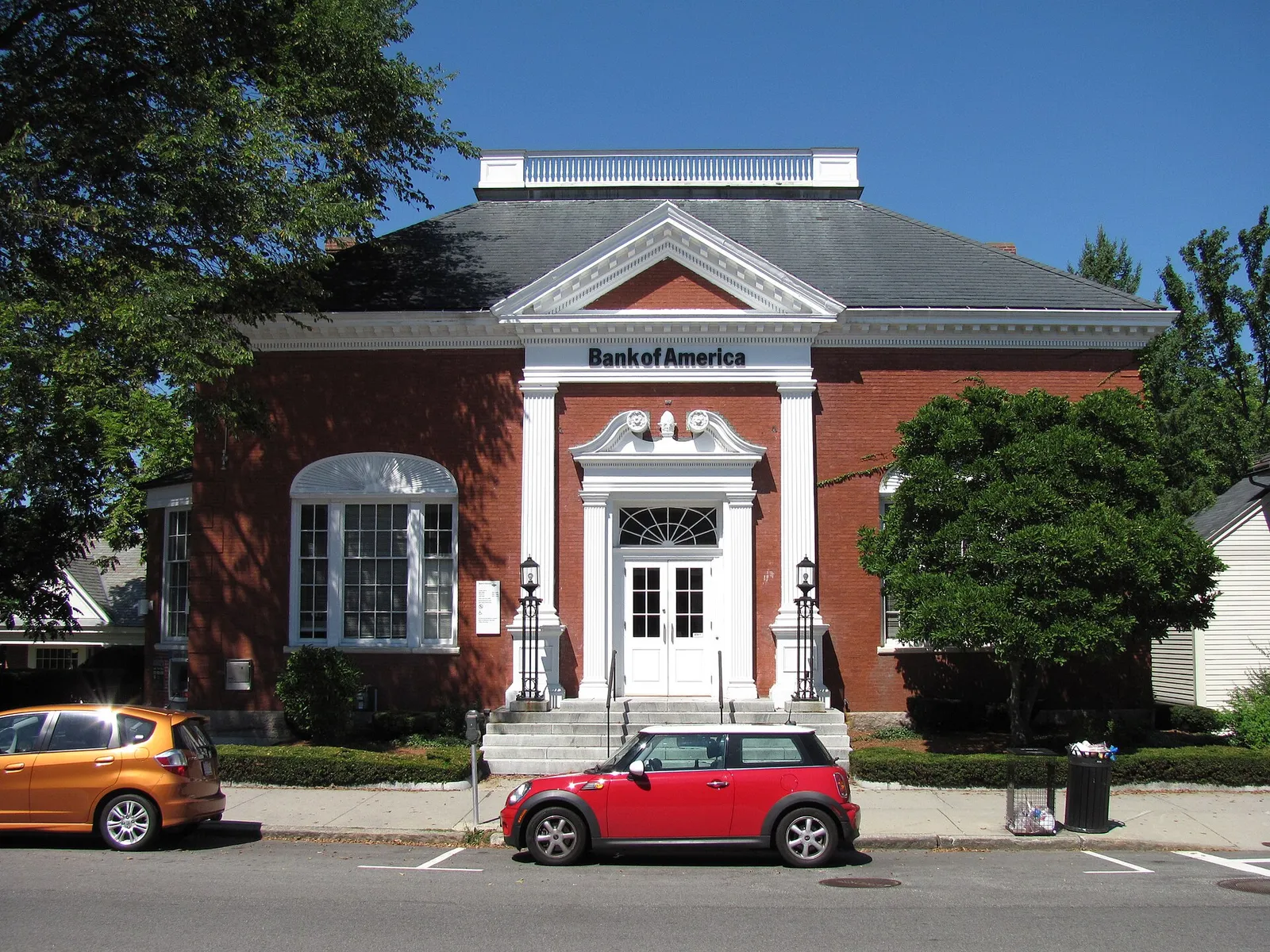
A long-running class-action lawsuit over duplicate ATM fees has produced a $2.25 million settlement with Bank of America — and for some Californians, the window to collect closes within days.
What the lawsuit alleged
The case, Schertzer v. Bank of America, was filed in the U.S. District Court for the Southern District of California. It accused the bank of charging customers two separate out-of-network fees for a single balance-inquiry transaction at ATMs operated by FCTI, Inc. — the company that runs the cash machines inside 7-Eleven stores. The plaintiffs argued those duplicate charges breached the bank's account agreement.
Bank of America has not admitted any wrongdoing; it agreed to the $2.25 million fund to end the litigation, KTLA reported.
Who qualifies
The settlement covers Bank of America accountholders in the United States who were charged more than one out-of-network balance-inquiry fee during a single visit to an FCTI-owned ATM inside a 7-Eleven between May 1, 2018, and November 16, 2021, according to the settlement details. People who already filed a claim in the related Weiss v. FCTI case are excluded. That roughly three-and-a-half-year window covers many Angelenos who routinely stopped into a 7-Eleven for a fast balance check.
How much you might get
Individual payouts aren't fixed. Each eligible claimant receives a proportional share of whatever remains in the fund after attorneys' fees, administrative costs and court-approved expenses — so the more people who file, the smaller each share, and the final figure won't be known until the claim period closes. A final-approval hearing is set for August 21, 2026.
How to file — and the deadline
The deadline to file a claim is June 29, 2026 — just days away. What you need to do depends on your relationship with the bank:
- Current Bank of America accountholders are expected to be paid automatically; no claim form is required.
- Former accountholders must file a claim — online or by mailing a paper form to the settlement administrator, Kroll Settlement Administration — to receive anything.
Claimants will need their old Bank of America account information to file, and questions can be directed to the administrator. Anyone who wants to object to the terms or exclude themselves from the settlement faces a separate early-July deadline.
The bigger picture
Consumer advocates note that duplicate ATM charges aren't unique to this case. Most major banks' account agreements permit a single out-of-network fee per transaction — which is exactly why a second, same-visit charge can become the basis for a breach-of-contract claim. For affected customers, the practical takeaway is simpler: check whether you used a 7-Eleven ATM in that window, and if so, file before the end of the month.