

It goes by several names online — "natural Ozempic," "nature's Ozempic," "Oatzempic" — but the pitch is always the same: a cheap homemade drink that, its boosters claim, can mimic the appetite-crushing power of the blockbuster weight-loss injection. Doctors and dietitians have a more measured verdict. The drinks aren't useless, but the comparison to a prescription drug is, in the experts' telling, wildly overstated.
What's in the drink
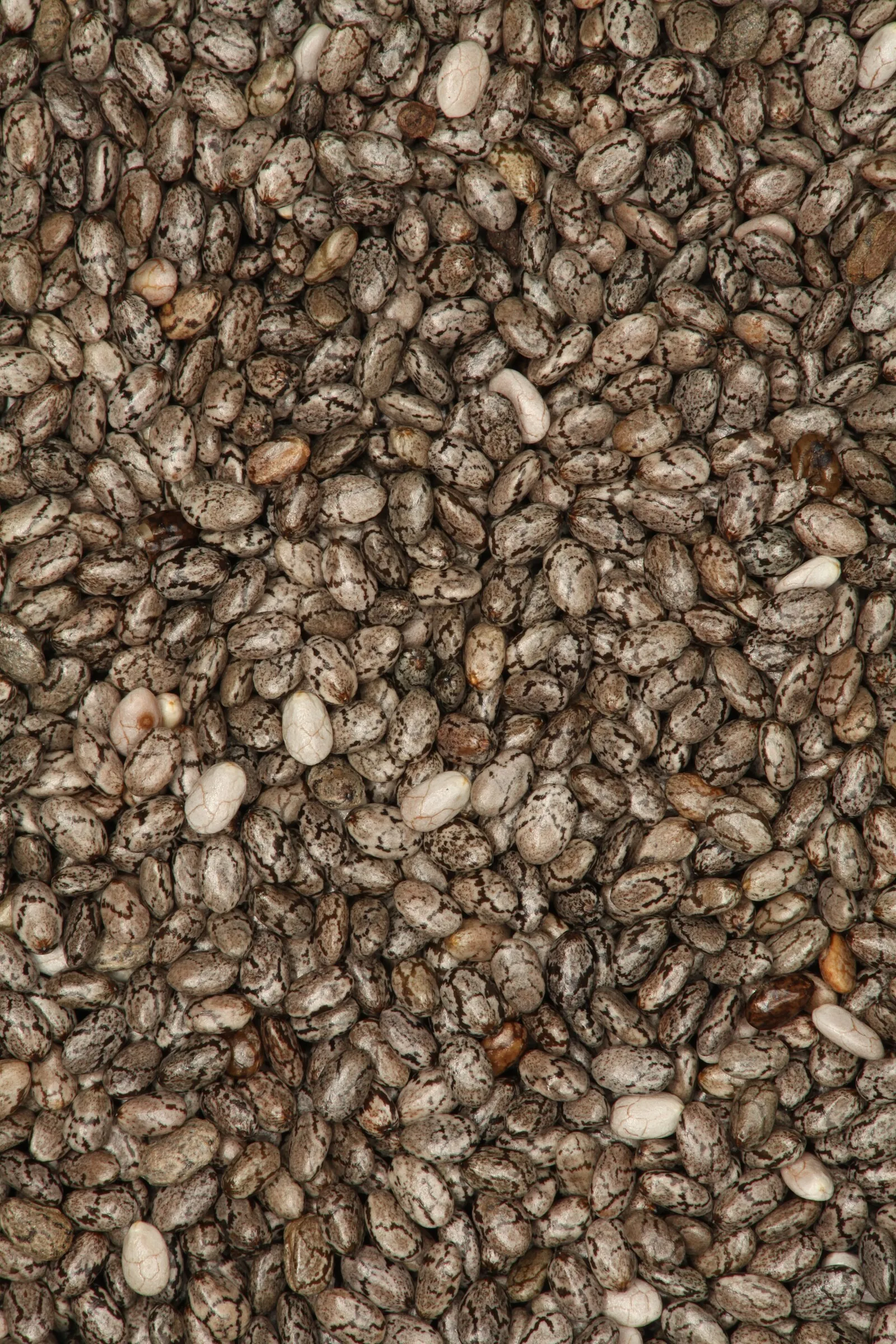
The most-shared version is simple: water, fresh lemon juice and chia seeds, sometimes with apple cider vinegar or cinnamon added. A spinoff dubbed "Oatzempic" blends oats with water and lime juice. Newer variants swap in lemon balm tea or gelatin dissolved in warm water. The common thread is fiber, and the common claim is that the mixture can stand in for semaglutide, the drug sold as Ozempic and Wegovy.
How the real drug works
To see why experts push back, it helps to know what semaglutide actually does. It is a GLP-1 receptor agonist: it binds directly to GLP-1 receptors in the brain to suppress appetite, slows the rate at which the stomach empties so people feel full longer, and helps regulate blood sugar. In clinical trials, semaglutide produced roughly 15 percent body-weight loss, far more than placebo, according to WebMD. No food or drink reproduces that receptor-level pharmacology.
What the ingredients really do
That doesn't make the drinks pointless — just ordinary.
Chia seeds and fiber genuinely promote fullness. Chia absorbs water and swells into a gel that adds bulk in the stomach, and dietary fiber feeds gut bacteria that nudge the intestines to release some of the body's own GLP-1. But the effect is small. Dr. Amy Rothberg, a metabolism specialist at the University of Michigan, said there is "no research to suggest you can naturally boost GLP-1" to a clinically meaningful degree, she told WebMD.
Oats work through beta-glucan, a soluble fiber that slows digestion. As obesity-medicine physician Dr. Supriya Rao put it to WebMD, "Oatzempic may raise GLP-1 slightly, but it's not anything like these injections."
Gelatin, one of the newest variants, drew a pointed analogy from registered dietitian Erin Palinski-Wade: calling it natural Ozempic, she said, is "a little like calling a garden hose a fire hydrant. There's a similar idea in the background, but the strength and impact are completely different."
The expert bottom line
Clinicians aren't dismissing fiber, hydration or balanced meals — only the branding. Dana Ellis Hunnes, a senior clinical dietitian at UCLA Health, notes that GLP-1 drugs "mimic the effects of the GLP-1 hormone to regulate appetite and digestion," while the plant compounds marketed as alternatives "work through completely different mechanisms" and lack the rigorous trial data to back comparative claims, according to UCLA Health.
The advice that survives the hype is unglamorous: get more fiber from whole foods, drink water, and don't expect a kitchen recipe to do what a prescription drug does.
This article is for general information and is not a substitute for professional medical advice. Consult a licensed health care provider before making changes to your diet or medications.