The afternoon looked ordinary when Vanessa Bull and her 7-year-old daughter, Mireina, settled onto the sand at Baker Beach in San Francisco's Presidio on June 16. Then a wave that witnesses estimated at roughly nine feet surged up the beach without warning and dragged both of them into the Pacific.
A wave nobody saw coming
Bull went after her daughter, grabbing the girl by her sweater as the surf flipped them underwater. Mireina needed CPR on the sand; her mother lost consciousness and had to be pulled from the water by rescuers, ABC7 San Francisco reported. Both were hospitalized and survived. "Never seen something like that before," Bull told the station — striking words from someone who described a lifetime around the ocean.
The near-drowning was not an isolated event. Weeks earlier, on May 29, a fisherman was swept from Baker Beach into the ocean and taken to a hospital in critical condition. Forecasters and lifeguards have tied a cluster of recent rescues and close calls along the Northern California coast to the same culprit: sneaker waves, the SF Standard reported.
What a sneaker wave actually is
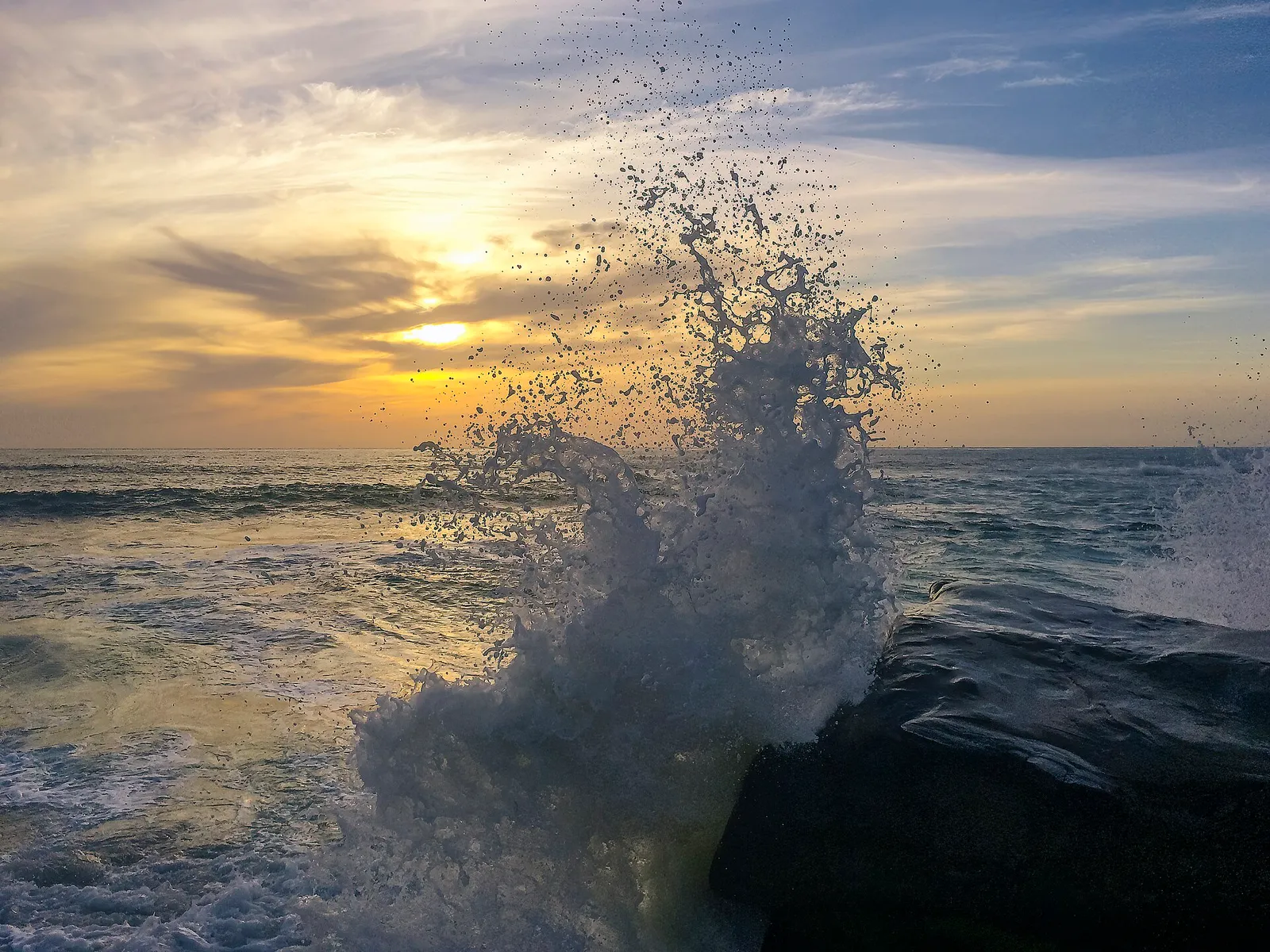
A sneaker wave — sometimes called a sleeper wave — is a disproportionately large surge that rushes far higher up the beach than the waves before it, often with little visible warning. They are born from long-period ocean swells, typically spaced 15 seconds or more apart, that travel for days across open water. When overlapping swells stack up near shore, they can combine into a single wave that towers over everything around it.
Crucially, no forecaster can predict an individual sneaker wave. "Individual sneaker waves can't be forecasted," National Weather Service Bay Area meteorologist Dylan Flynn told KQED. What forecasters can flag is when conditions make them more likely — and right now those conditions are lingering.
An unusually long hazard stretch
The National Weather Service has kept Beach Hazards Statements in effect across stretches of the Northern California coast, from Sonoma County south through San Francisco, Pacifica, Half Moon Bay and the Monterey Bay area. One NWS meteorologist described the run as among "the longer-lasting beach hazards" the region has seen in some time, per the SF Standard.
The danger is compounded by geography. Several of San Francisco's signature beaches, including Ocean Beach and Baker Beach, have no permanent lifeguard stations; the Fire Department is the city's round-the-clock water-rescue agency. Nationally, the NWS has tracked dozens of surf-zone deaths in 2026, with its data showing the summer months as among the deadliest.
How to stay safe at the beach
Officials and NWS forecasters offered consistent guidance for anyone heading to the coast this summer:
- Never turn your back on the ocean. Watch the wave pattern for several minutes before picking a spot.
- Keep children within arm's reach, and keep pets away from the water's edge.
- Stay off rocks, jetties and seawalls, where sneaker waves strike with sudden, extreme force.
- Don't enter the water during high surf or when a Beach Hazards Statement is in effect.
- Check the forecast first. The NWS publishes daily beach-hazard outlooks at weather.gov.
- If you're caught in a rip current, stay calm, float, and swim parallel to shore until you're free of the pull rather than fighting straight back in.
- If you see someone swept out, call 911 immediately and look for a flotation device to throw — don't attempt a rescue swim yourself.
The plainest advice came from Calvin Mak, a 60-year-old who frequents the city's beaches and spoke to the SF Standard: "Mother Nature is very unforgiving."