

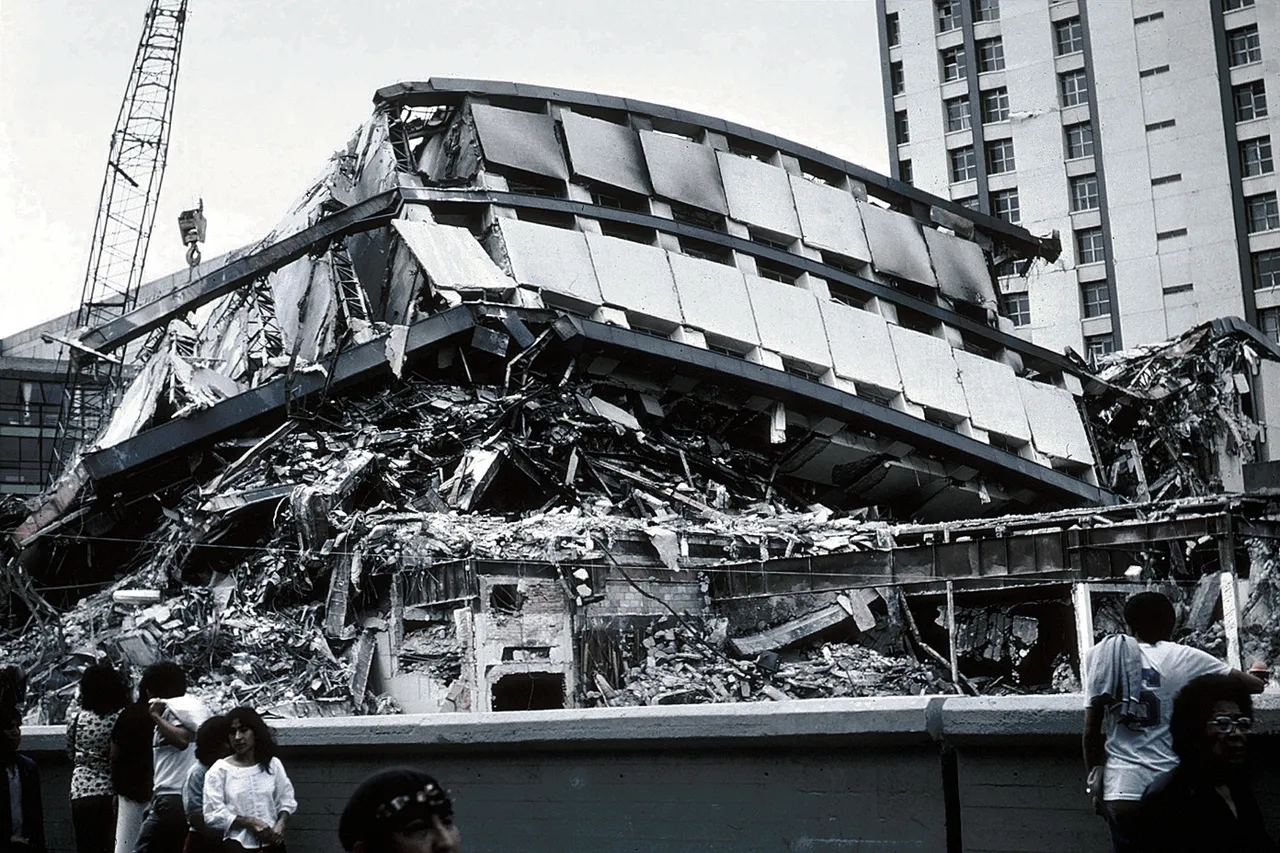
When two powerful earthquakes struck Venezuela on June 24, the destruction was not spread evenly. The worst collapses clustered in neighborhoods built on soft ground — a pattern that earthquake scientists recognized immediately, because they have seen it before.
What soft soil does to an earthquake
When seismic waves travel through hard bedrock, they move quickly and stay compact. When those same waves pass into a basin of loose clay, sand or river sediment, they slow down and grow taller and stronger — much as ocean waves rise as they approach a shallow beach. The looser the ground, the more it can amplify the shaking.
The textbook case is the 1985 Mexico City earthquake, when waves entering the soft former lakebed beneath the city were amplified many times over compared with firmer ground nearby. Worse, the soft clay's natural rhythm matched the sway of mid-rise buildings, so ground and structures shook in step and reinforced each other — collapsing blocks of 10-to-15-story towers even though the quake's epicenter was hundreds of miles away.
Why Caracas was vulnerable
Caracas sits in a deep sedimentary basin, and parts of the city rest on soft alluvial sediments that behave like jelly under strong shaking, Al Jazeera reported. Seismologists noted that the heaviest damage in the capital concentrated in districts on that softer ground, including Altamira and Los Palos Grandes, where high-rises failed — among them a 22-story tower that collapsed entirely. Vashan Wright, a geophysicist at UC San Diego, told Al Jazeera that sedimentary basins "amplify earthquake seismic waves," and that buildings on the sands and sediments of areas like Altamira "move much more than areas built on rock."
The risk was not a secret. Venezuelan seismic researchers had for years flagged the capital's older building stock — much of it built before or outside modern earthquake codes, and never retrofitted during the country's long economic crisis — as a major hazard. The June 24 quakes, shallow and powerful, found those weaknesses.
The Los Angeles mirror
For Californians, the scenes from Caracas are a pointed warning. Seismologist Lucy Jones noted that Caracas faces seismic risk comparable to Los Angeles and San Francisco, all three near the boundaries of shifting tectonic plates.
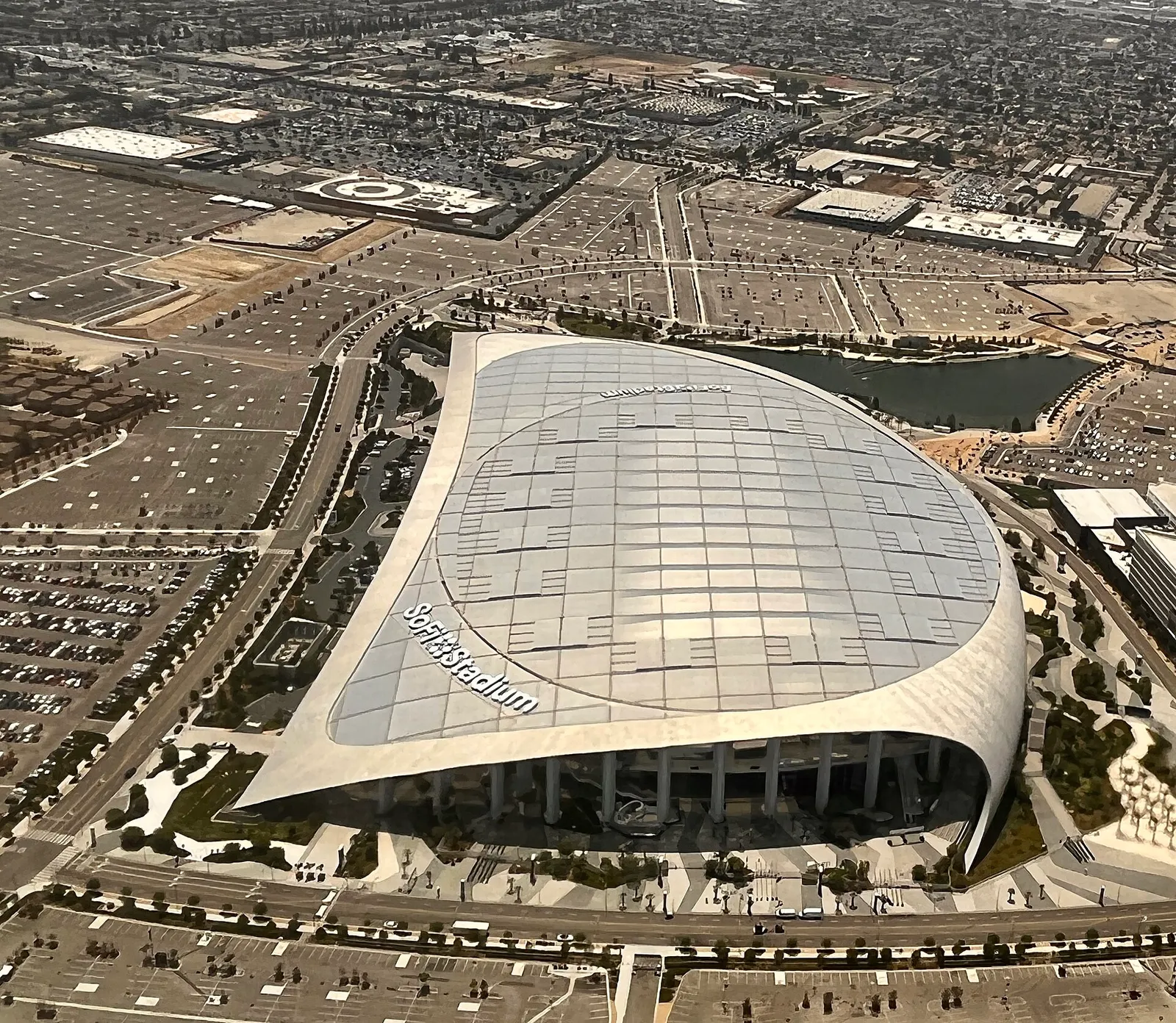
Los Angeles has the same basic ingredients. USGS studies of the Los Angeles Basin describe deep sedimentary basins that can trap and channel seismic energy toward populated areas, and during the 1994 Northridge earthquake, shaking was measurably stronger on soft soils than on bedrock. The region also still holds large numbers of older non-ductile concrete and masonry buildings — the same broad category implicated in many of the Caracas collapses. Los Angeles has pushed retrofits of vulnerable "soft-story" apartments, but many older concrete structures remain unstrengthened, and federal scenarios for a large San Andreas earthquake project thousands of deaths and enormous losses.
The lesson of Venezuela, scientists say, is not that the disaster was unforeseeable. The physics of soft-soil amplification has been understood since at least 1985, and the vulnerable ground beneath cities like Caracas — and Los Angeles — has been mapped for decades. What's hard is summoning the will, and the money, to reinforce the buildings before the ground starts to move.