

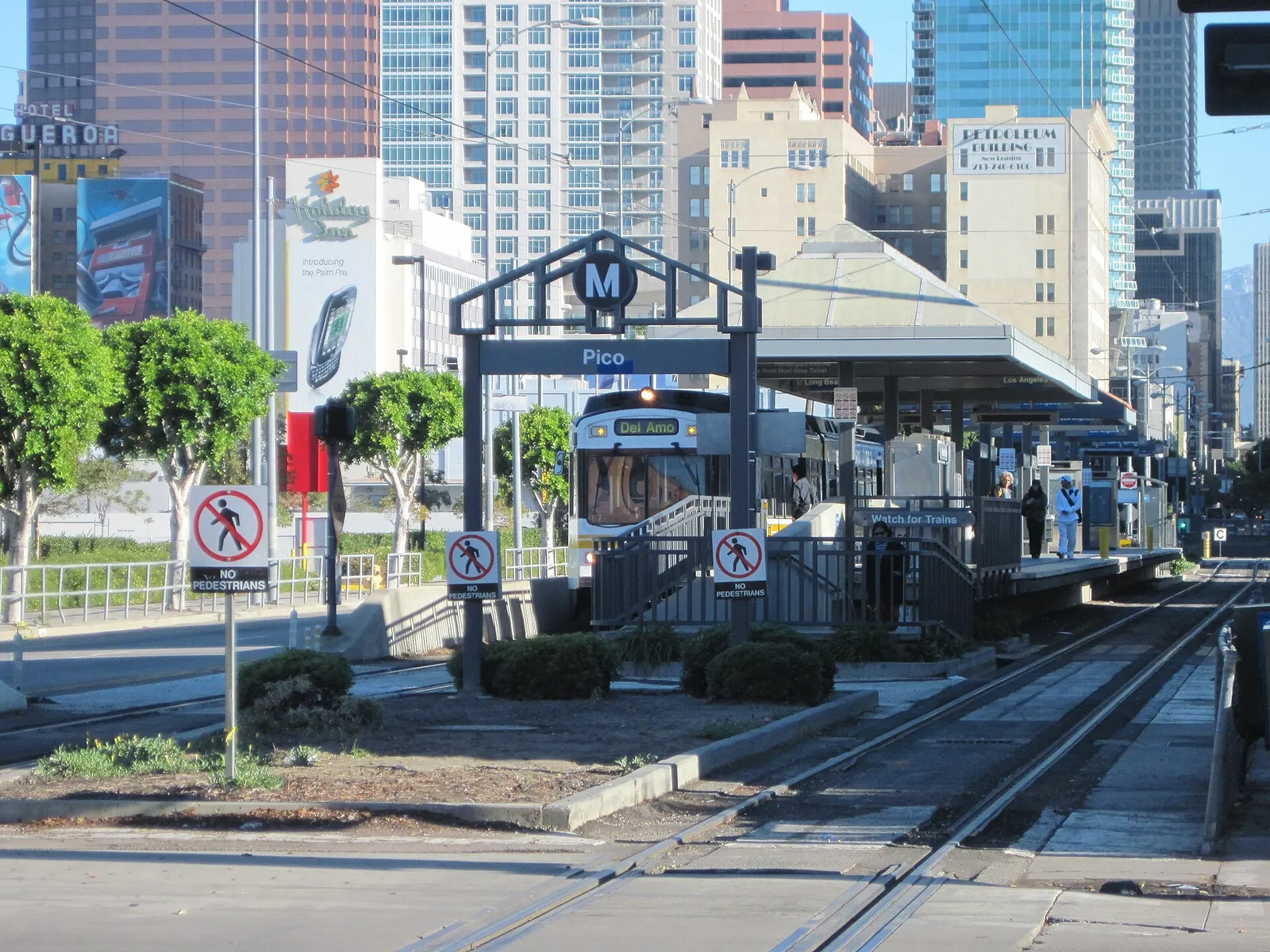
Mayor Karen Bass, taking over as chair of the Metro Board for the second time on Wednesday, previewed an ambitious idea and paired it with a smaller, more concrete one, LAist reports. The big idea is a fare-free transit system for Los Angeles County. The concrete one is more bus lanes.
The headline, and the caveat
Bass said she intends to "develop a long-term financial strategy" toward eventually making the countywide system free to ride. That is the attention-getting line, and it deserves to be reported with the caveat the announcement itself carries: there is, as yet, no plan. No cost estimate, no timeline, no funding source, and no answer to the obvious question of how an agency that collects fares would replace that revenue if it stopped.
That is not a reason to dismiss the idea, but it is a reason to be precise about what was actually said. Bass announced an intention to study how to get to fare-free, not a decision to go there. Those are different things, and the distance between them is exactly the "long-term financial strategy" she says she wants to build.
The part with a number attached
The firmer commitment is on bus lanes. Bass set a goal of expanding dedicated peak-hour bus lanes from the current 80 miles to 100 miles by 2028.
That target is worth more than it might sound. Dedicated bus lanes are among the cheapest and fastest ways to improve transit, because they speed up buses that already exist without building anything new, and buses carry the majority of Metro's riders. Twenty additional miles by 2028 is a measurable, checkable promise, the kind a chair can be held to, and 2028 is not an arbitrary date: it is the year Los Angeles hosts the Summer Olympics, when moving large numbers of people without their cars stops being an aspiration and becomes a logistical necessity.
What is fair to conclude
The honest read on Wednesday's announcement is that it contained one genuine policy commitment and one big aspiration, and that a reader is entitled to weigh them differently. Free transit is a serious idea with real advocates and real trade-offs, and a mayor putting it on the agenda is meaningful even without a plan behind it. But a system is judged by what it delivers, and the deliverable here is the bus-lane mileage, not the fare-free headline.
There is also a related item on the board's plate that bears watching: LAist notes that Metro leaders were set to consider, on Thursday, pausing funding for regional open-streets events. How the board balances a stated ambition to make transit more accessible against pressure on its own budget is the practical test of all of this, and the Herald will report what the board actually does, on bus lanes, on event funding, and on any real movement toward the fare-free system Bass says she wants to chart a course to.