

Baseball welcomed three new Hall of Famers on Saturday, and their three routes to Cooperstown say a lot about how the game decides who belongs, Yahoo Sports reports.
The class of 2026
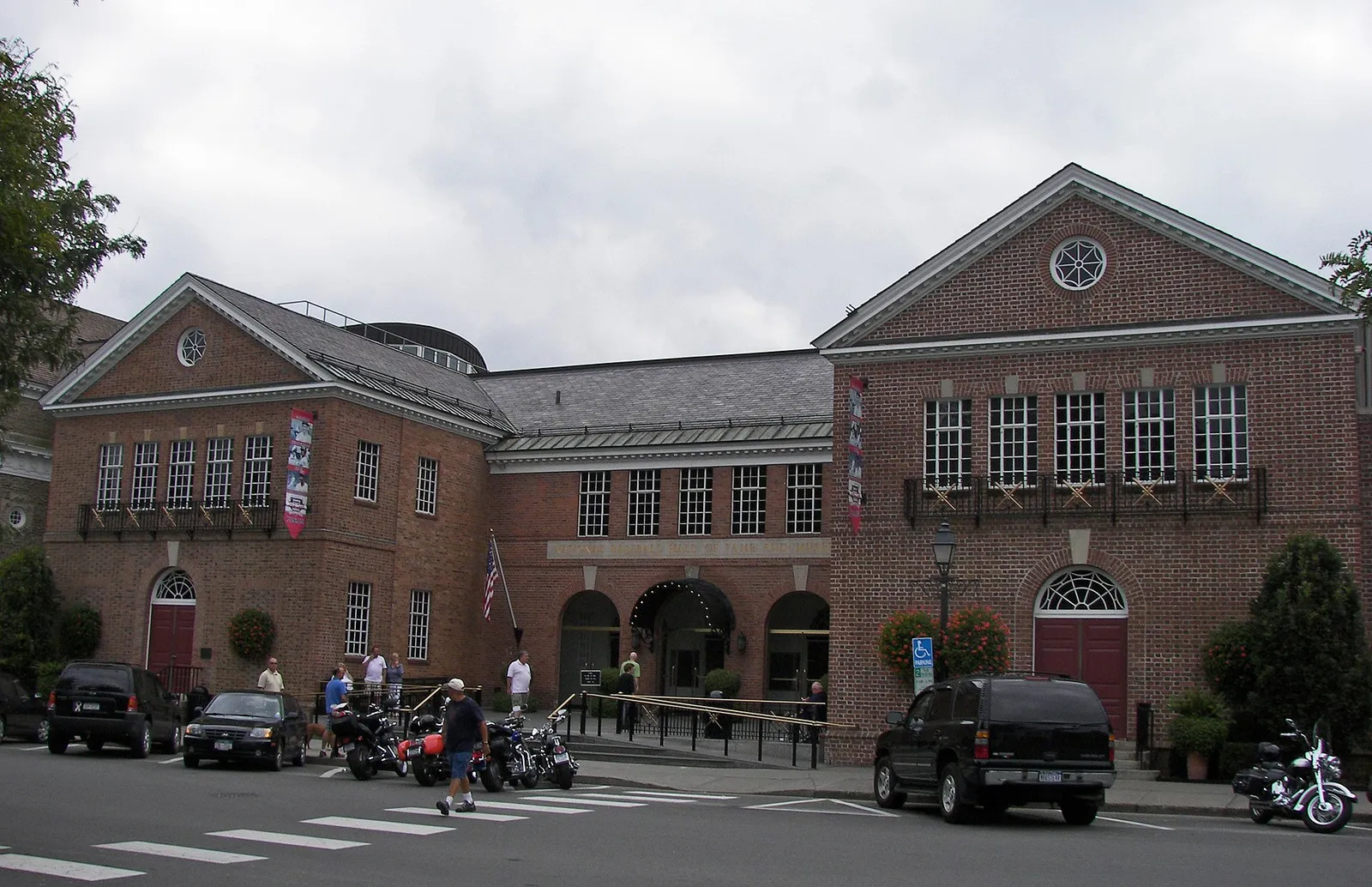
Carlos Beltran, Jeff Kent and Andruw Jones were enshrined at the Clark Sports Center in Cooperstown, New York, before a crowd of roughly 12,000. The three arrived by notably different paths.
Beltran was elected the conventional way, by the Baseball Writers' Association of America, with 84.2% of the vote, comfortably above the 75% threshold. He went in as a New York Met, the team with which he won three Gold Gloves and two Silver Sluggers, and his career line, 435 home runs and 312 stolen bases after a Rookie of the Year season with Kansas City, is the profile of a complete player.
Kent and Jones took the longer road. Both had been passed over by the writers, Jones drawing just 7.3% in his first year on the ballot in 2018, Kent lasting his full ten years without election, and both were ultimately chosen by the Contemporary Baseball Era Committee, the 16-member panel that reconsiders players the writers left out. Kent retired with 377 home runs, 1,518 RBIs and the 2000 NL MVP; Jones, who went in as a Brave, was a defensive marvel with 10 Gold Gloves and 434 home runs, including an MLB-leading 51 with 128 RBIs in 2005.
The Los Angeles thread
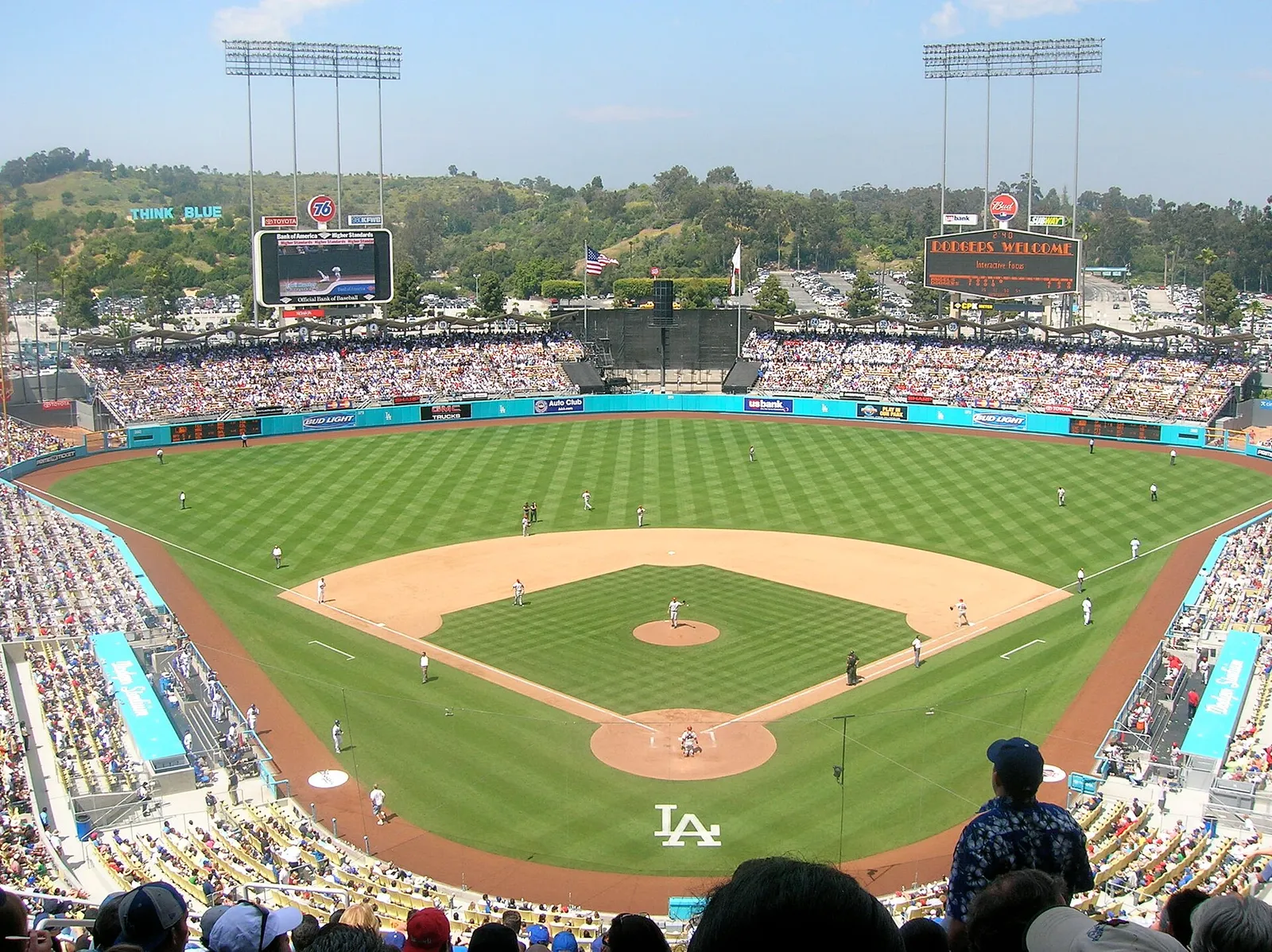
The local reason to care is Jeff Kent. Best remembered as a Giant, and enshrined as one from that 2002 World Series team, Kent also spent the back half of his career with the Los Angeles Dodgers, and some of his most productive late seasons came in Dodger blue. His induction is a reminder of a specific era of Dodgers baseball, and gives Los Angeles a genuine stake in a ceremony held a continent away.
Why the different paths matter
There is a quiet story in this class about how the Hall corrects itself. The writers' ballot is a snapshot of how a player was valued in his moment, and both Kent, whose power from second base was historic but whose game lacked flash, and Jones, whose brilliance was defensive and whose career faded early, were undervalued in that snapshot. The era committee exists precisely to take the longer view, and this year it delivered two players in whom time and reconsideration made the case the annual vote had missed.
For a sport that treats its Hall as close to sacred, that is not a small thing. The Herald marks the day as what it is: three careers judged, by different juries and on different timelines, to belong among the game's best, with one of them carrying a piece of Dodgers history to Cooperstown.