


The number that explains a lot of household stress right now is a simple one, ABC7 reports: the cost of food to eat at home has climbed about 33% since the beginning of 2019.
The numbers
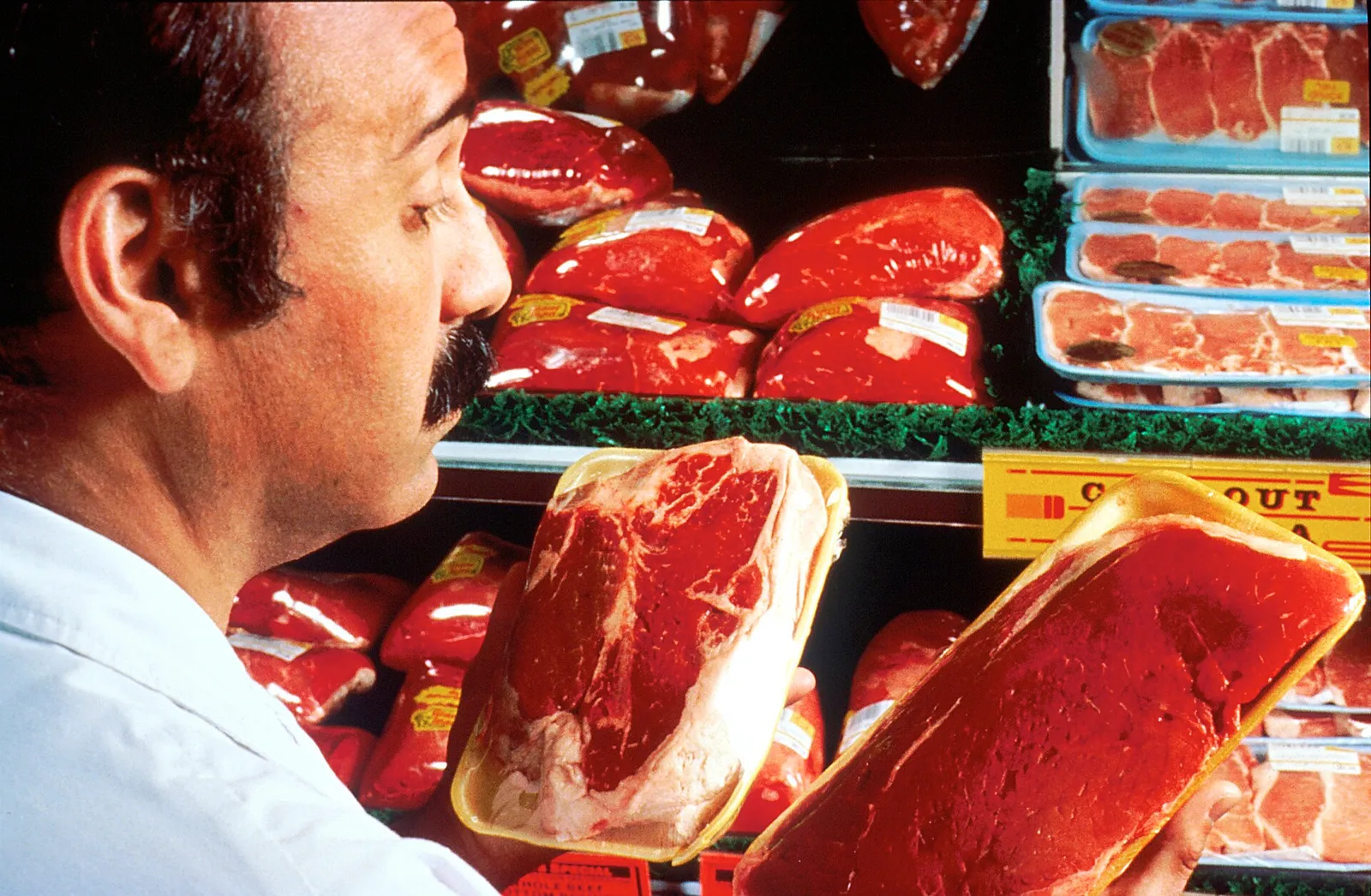
That roughly one-third rise over about six and a half years is being described as the biggest jump in grocery prices in half a century. Some staples have run far ahead of the average. Ground beef reached $6.82 a pound in June, a 79% increase since early 2019, which is why the meat case is where a lot of shoppers feel the squeeze most sharply.
The cited pressures are on the supply side: conflict in the Middle East adding to price pressure, and higher fuel costs feeding into shipping, an effect the report notes is especially pronounced for places like Hawaii that depend on long supply lines. It is worth being precise here: the article describes these as contributing factors, not a full accounting, and grocery inflation has many inputs. What is not in dispute is the cumulative result on the shelf.
How people are adapting
The more revealing part of the story is behavioral, the quiet ways households have rewired the weekly shop. Shoppers described checking discount-finding apps before they leave home, hunting coupons in the weekly circulars, and comparison-shopping across multiple stores for the same list. Many have switched to store brands, though some hold out on the items they care about. Meat is a common casualty: people are buying less of it, trading beef for chicken or cold cuts, and simply buying smaller quantities across the board.
At the harder edge, the adjustments are not about savvy but survival, more reliance on food banks and SNAP benefits, and cutting non-essentials like cookies entirely. One shopper, Ada Torres, put the feeling plainly: "Prices are sky-high. One hundred dollars' worth of groceries these days is nothing." Another, Apral Jack, described the on-the-spot triage that has become routine: "The apples went up here ... so now I'm not going to get them here."
The Los Angeles lens
The figures in the report are national, and we are not going to dress them up as Los Angeles-specific data the article does not provide. But the pressure is one Angelenos know well. Los Angeles is an expensive place to live before the first grocery cart is filled, with high rents and fuel costs that leave thinner margins for a rising food bill, and it is home to large working-class and immigrant communities for whom a 33% climb in food costs is not an inconvenience but a monthly reckoning. The behaviors in the story, the apps, the store brands, the food banks, are visible across the region.
The takeaway is less a forecast than a description of the present: food costs a great deal more than it did before the decade's disruptions, the increase has stuck, and households have absorbed it not by earning their way past it but by changing what and how they buy. The Herald will report local food-cost data and any relief measures as they emerge.