

A grim statistic captured the cost of Europe's heat: about 1,000 deaths in France that, in an ordinary week, would not have happened.
What 'excess deaths' means
Santé publique France, the national public health agency, released the preliminary estimate Sunday: roughly 1,000 more deaths than expected since June 24. The figure is not a tally of people who died directly of heatstroke. It is a statistical measure — the gap between deaths actually recorded and the number normally expected for the period. France had been logging around 900 to 1,000 deaths a day before the heat; during the peak, that climbed above 1,200 and then past 1,400 on consecutive days, PBS NewsHour reported. Officials cautioned the count is unconsolidated and will rise as deaths in homes and care facilities are tallied. "The episode is not finished," Health Minister Stéphanie Rist said.
A record-breaking event
The current heat wave, the more severe of two to hit Europe this year, began around June 17. On June 23, France recorded 44.3°C (about 112°F) in the Landes department — its hottest reading since national records began in 1947. The heat spread east, with Spain, Germany and the Czech Republic all topping 41°C and the United Kingdom logging its hottest-ever June day. At the peak, red-alert warnings covered much of France, and forecasters estimated well over 100 million Europeans would face temperatures above 35°C.
The elderly hit hardest
About 85 percent of France's excess deaths involved people 65 or older, Euronews reported, with the hardest-hit regions among those under the most severe alerts. People living alone or in care facilities, those with chronic illness, and outdoor workers are consistently the most exposed. France's figure is the largest single national count, but not the only one: the World Health Organization reported more than 1,300 excess deaths across Europe since June 21, and Spain recorded hundreds of heat-related deaths. "European homes, workplaces and schools were not built for these temperatures," WHO Director-General Tedros Adhanom Ghebreyesus said.
Emergency measures, and the shadow of 2003
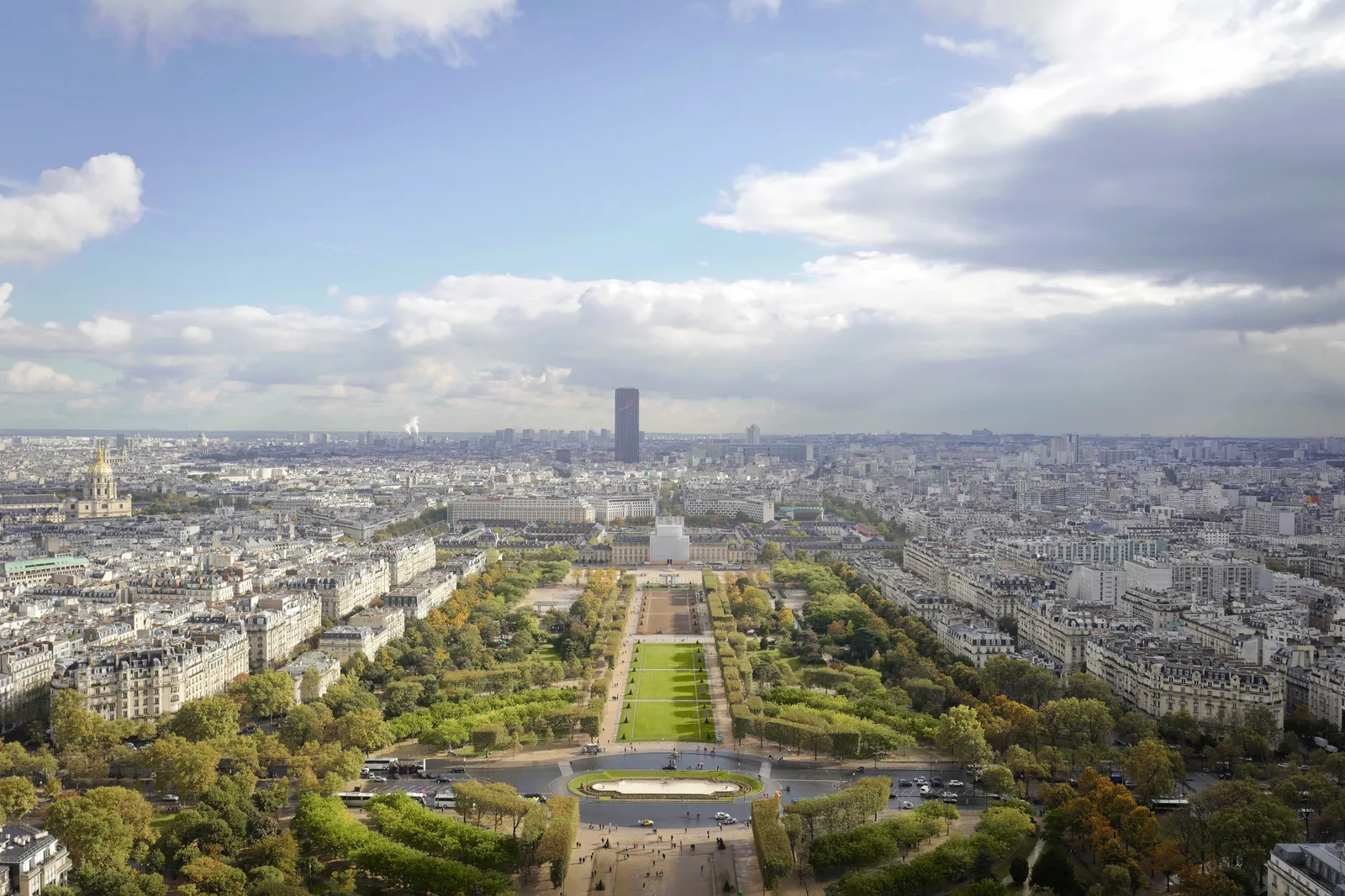
Authorities moved to limit exposure: Paris restricted public drinking and warned against river swimming after several drownings, museums and the Eiffel Tower closed early, and some events were postponed. French planners have spent two decades trying to avoid a repeat of August 2003, when a heat wave killed an estimated 15,000 people in France and prompted a national heat-health plan with tiered alerts and support for vulnerable residents. Those measures appear to have moderated the 2026 toll so far, though officials stress the event is not over.
A warming continent
Scientists with World Weather Attribution concluded the heat wave would have been "virtually impossible" without human-caused climate change, PBS reported. The WHO has identified Europe as the fastest-warming continent, heating at about twice the global average — meaning each summer tends to redefine what counts as extreme, and what health systems and infrastructure must be built to withstand.