Two emergencies, weeks apart and 35 miles apart, have exposed the same uncomfortable truth: California's rules for storing dangerous chemicals near where people live are full of gaps, and it often takes a near-catastrophe to reveal them.
Two incidents, one summer
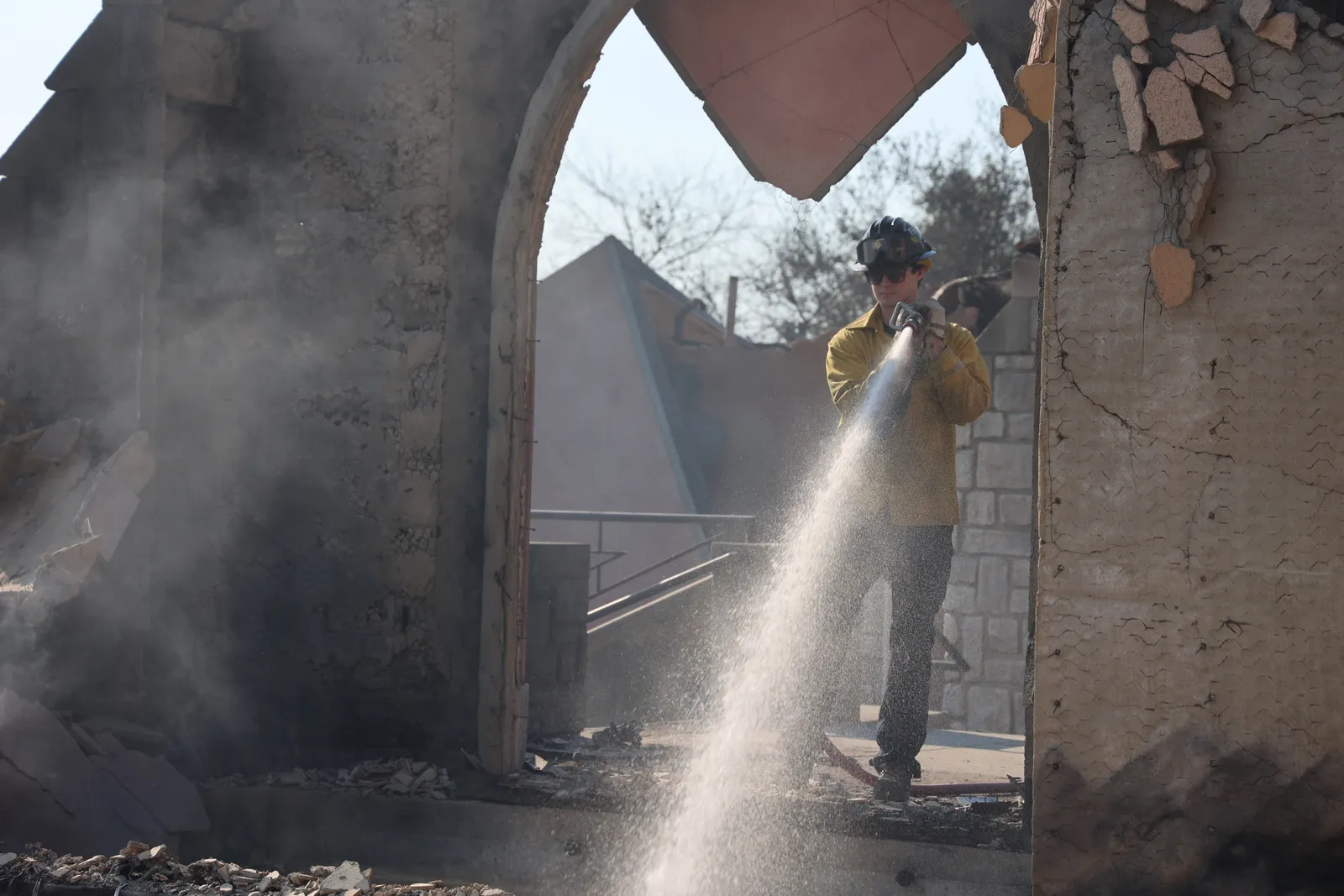
Over Memorial Day weekend, an industrial tank at a GKN Aerospace plant in Garden Grove overheated and began venting vapors, putting roughly 6,000 to 7,000 gallons of methyl methacrylate — a flammable, reactive chemical used to make plastics — at risk of leak or explosion. More than 50,000 Orange County residents were placed under evacuation orders. Gov. Gavin Newsom declared a state of emergency, and the U.S. Environmental Protection Agency sent crews and air monitors before the tank was stabilized days later. In June, the FBI seized evidence at the facility.
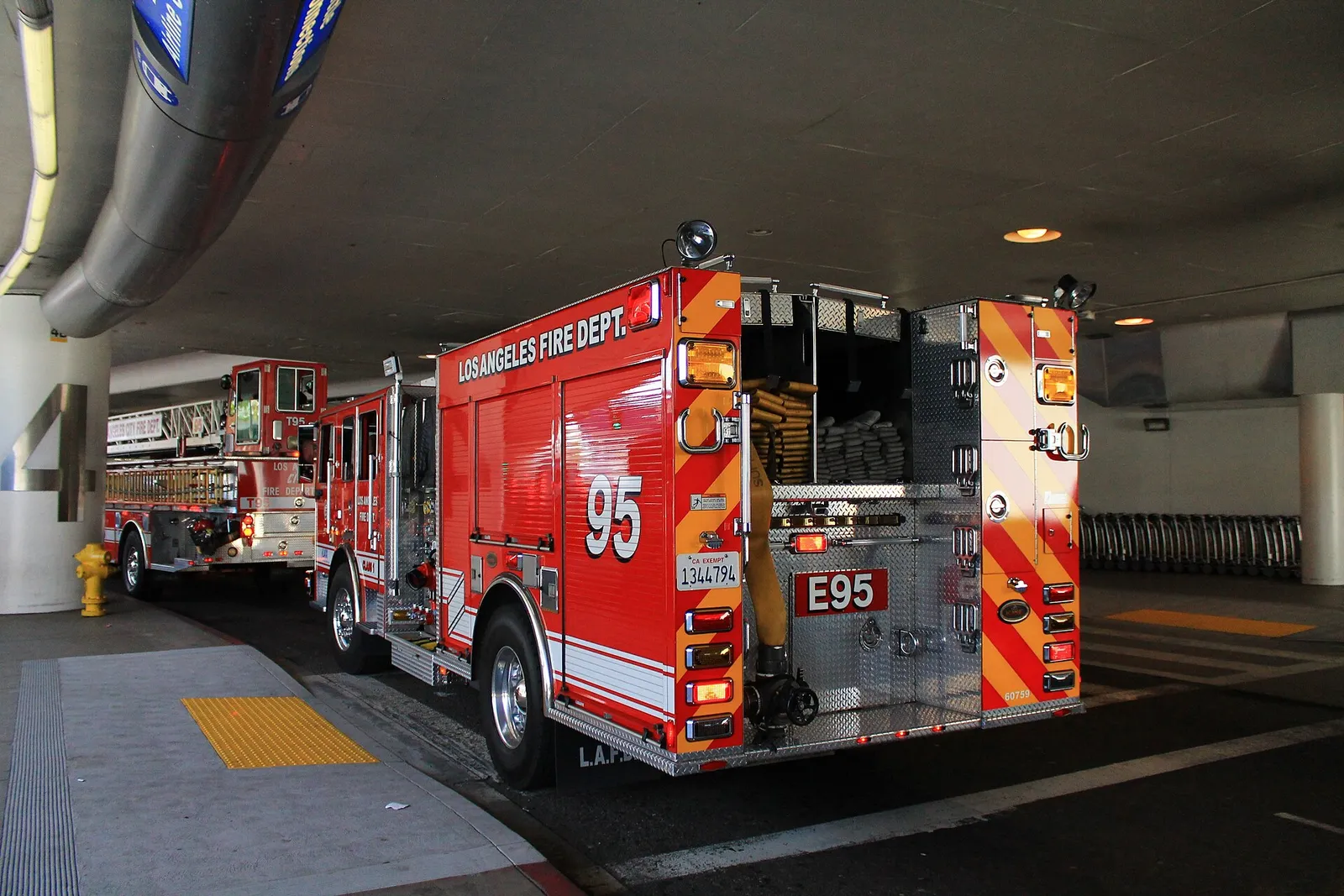
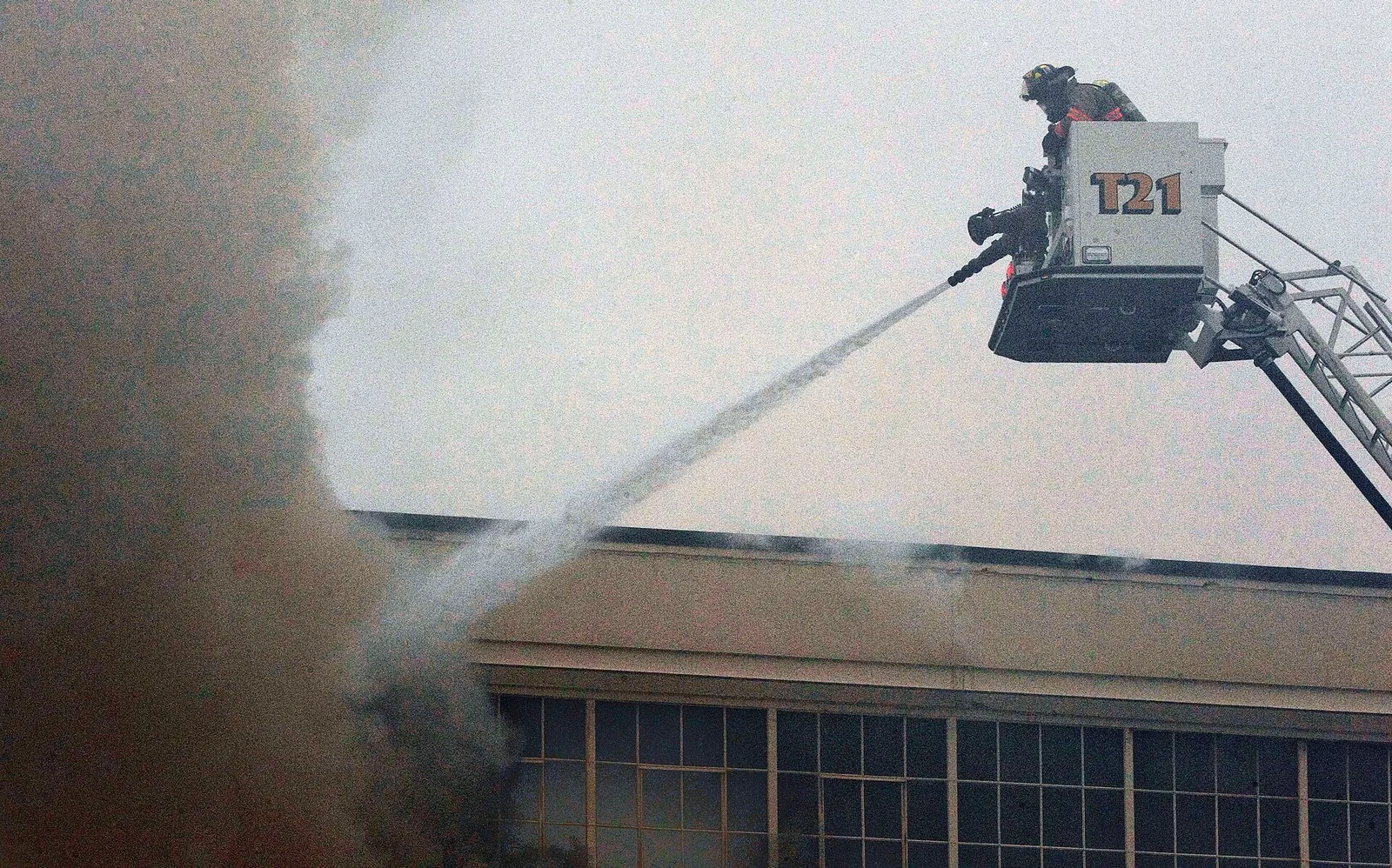
Weeks later, a fire tore through a Lineage cold-storage warehouse in Boyle Heights, on the east side of Los Angeles, where anhydrous ammonia is used as an industrial refrigerant. The blaze burned for days, prompting shelter-in-place orders that were issued, lifted and reimposed as crews fought it, and the Los Angeles Unified School District relocated nearby students while air monitors tracked pollutants.
A gap in the rules
The two chemicals at the center of the scares are treated very differently under state law — and that, critics say, is the problem.
California's Accidental Release Prevention program, known as CalARP, requires facilities that store threshold quantities of certain hazardous substances to file detailed risk-management plans and emergency protocols. Anhydrous ammonia, the refrigerant at the Boyle Heights site, falls squarely within that program.
Methyl methacrylate — the reactive chemical that nearly turned a Garden Grove neighborhood into a blast zone — does not. Reactive chemicals as a class have often fallen outside both federal and state accidental-release programs, CalMatters reported, even as the same compound is stored at sites across the state. Jane Williams of California Communities Against Toxics has argued that luck, more than regulation, has so far spared residents from disaster as industrial sites and housing have grown up alongside each other.
A question of who lives nearby
Both Garden Grove and Boyle Heights are working-class, heavily Latino communities that rank among the more pollution-burdened areas in California on CalEnviroScreen, the state's environmental-health mapping tool. For residents, official reassurances that airborne concentrations were within safe limits have done little to settle nerves.
In Boyle Heights, neighbors handed out N95 masks and pressed city officials for answers about why a facility holding industrial refrigerant could burn for days in a dense neighborhood. In Garden Grove, residents packed a city council meeting to ask how a plant operating near homes and schools had been allowed to pose such a risk in the first place.
A legislative response
The back-to-back crises have given momentum to Senate Bill 883, introduced by state Sen. Tom Umberg, a Democrat whose district includes Garden Grove. Branded the "Preventing Chemical Explosions" act, the bill would add methyl methacrylate to the CalARP program, require facilities storing large quantities of reactive chemicals to maintain backup cooling systems, bar new facilities from storing such chemicals in residential areas, and direct the California Office of Emergency Services to keep a statewide inventory of reactive-chemical sites. It would also narrow an environmental-review exemption for advanced manufacturing so it does not cover certain explosive-chemical storage.
Whether the measure advances may depend on whether Sacramento's attention holds once the immediate alarm fades. For residents of Boyle Heights and Garden Grove — still running air purifiers and waiting on health data — the question of who is watching the warehouses next door is anything but abstract.