

For most of its history, Micron Technology was a textbook cyclical business — a maker of commodity memory chips whose fortunes rose and fell with the price of DRAM. That story has, at least for now, been rewritten by artificial intelligence.
A quarter that quadrupled
The Boise, Idaho company on June 24 reported fiscal third-quarter revenue of about $41.5 billion, according to its earnings release — more than four times the $9.3 billion it took in during the same quarter a year earlier. Net income came to $28.2 billion, or $24.67 per diluted share, and gross margin jumped to 84.9 percent, up from 39 percent a year ago.
Those are figures rarely associated with hardware. A gross margin near 85 percent is the kind of number that software companies post, not makers of physical chips — a measure of how sharply pricing and demand have moved in Micron's favor. The results blew past the company's own guidance of roughly $33.5 billion in revenue.
HBM, the product behind the surge
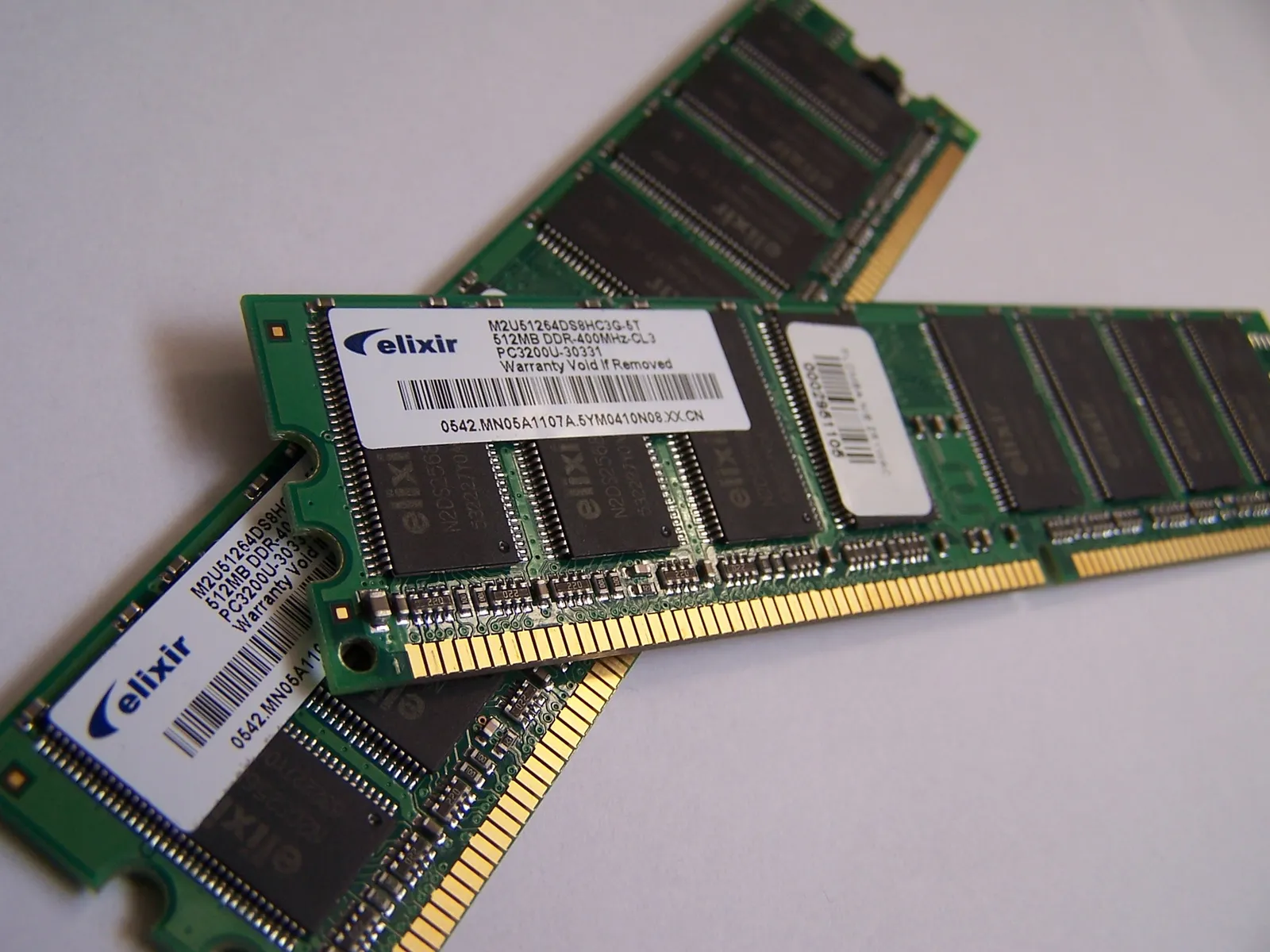
The engine of the transformation is high-bandwidth memory, or HBM — stacks of memory chips that shuttle data to AI accelerators far faster than conventional DRAM. The product has become indispensable to the data-center operators and cloud companies racing to build out AI infrastructure, and demand has outrun supply.
Micron's data-center business led the way, with sales climbing more than sevenfold to $11.5 billion from $1.53 billion a year earlier. The company, which competes in HBM against South Korea's Samsung and SK Hynix, has watched the product go from a niche line to its largest growth driver in a matter of quarters.
A company in elite company
The scale of those profits puts Micron in rare territory. MarketWatch reported that, on its current trajectory, Micron is on pace to be among the most profitable public companies in the United States — trailing only Nvidia and Alphabet's Google, firms whose dominance in AI chips and internet advertising has long looked untouchable for a memory maker.
Management's guidance suggested no immediate slowdown, projecting fourth-quarter revenue around $50 billion. The stock, which has surged this year, swung sharply around the report before settling amid broader volatility in technology shares.
Reasons for caution
The memory business has a long memory of its own, and analysts are quick to note that it has always been cyclical. All three major producers are racing to ramp up HBM output, and pricing power can erode quickly once supply catches up — or if the hyperscale companies driving the AI buildout pull back on spending. Micron's extraordinary margins reflect an unusual moment of scarcity that may not last.
For now, though, the company has demonstrated something the memory industry had not seen before: the ability to command software-like profits on a product that every AI system increasingly cannot run without.