

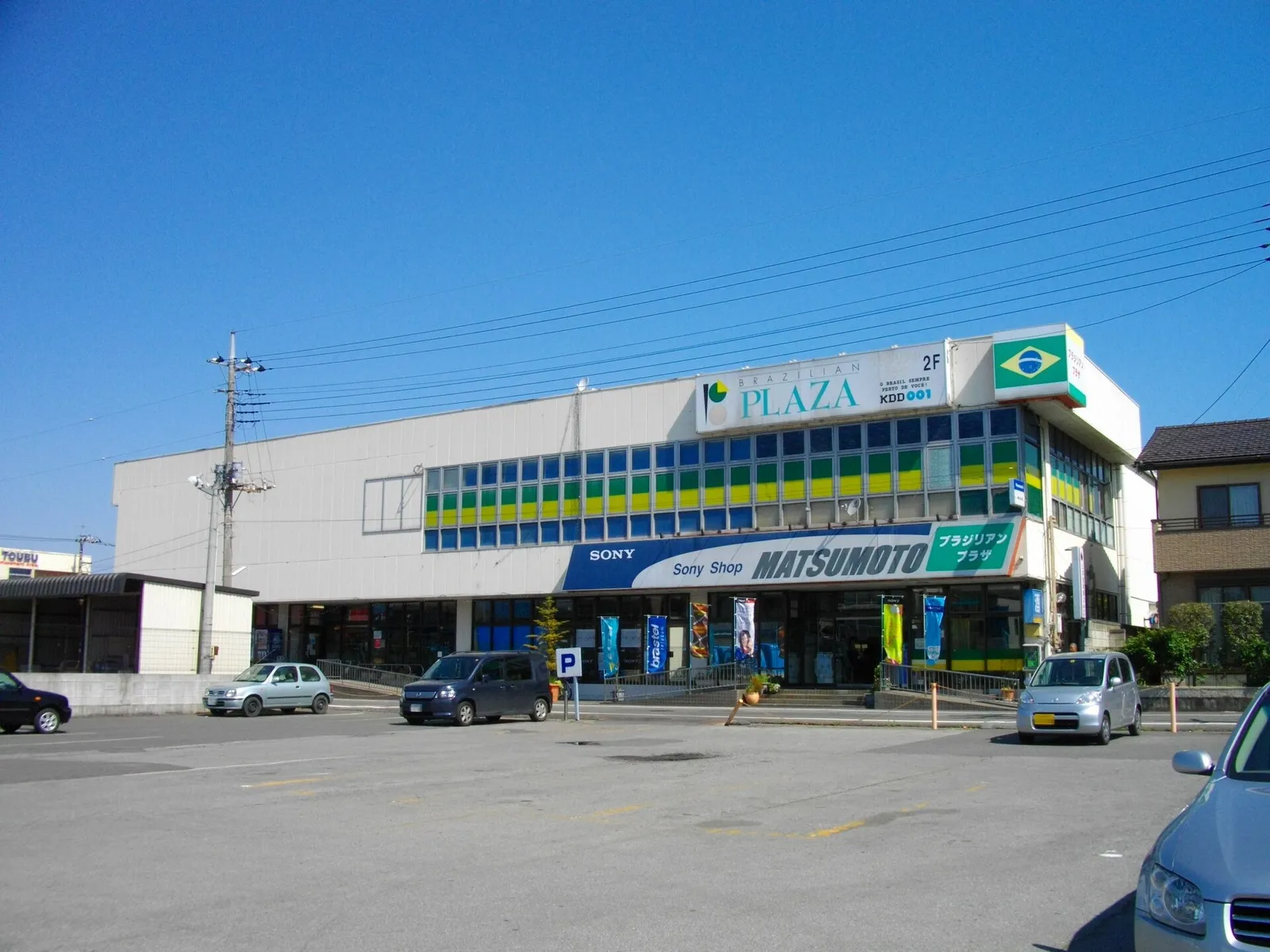
In Oizumi, a compact factory town two hours northwest of Tokyo, a Portuguese-language bakery sits down the street from a ramen shop, and government notices go out in two languages. Locals call it Japan's Little Brazil. On Monday, Little Brazil has to pick a side.
A town with two anthems
Roughly one in five residents of Oizumi, in Gunma Prefecture, is a foreign national, and Brazilians make up a large share of them, according to local and academic accounts. Portuguese is common enough that the town has built much of its civic life around two languages, and its children move fluently between two cultures.
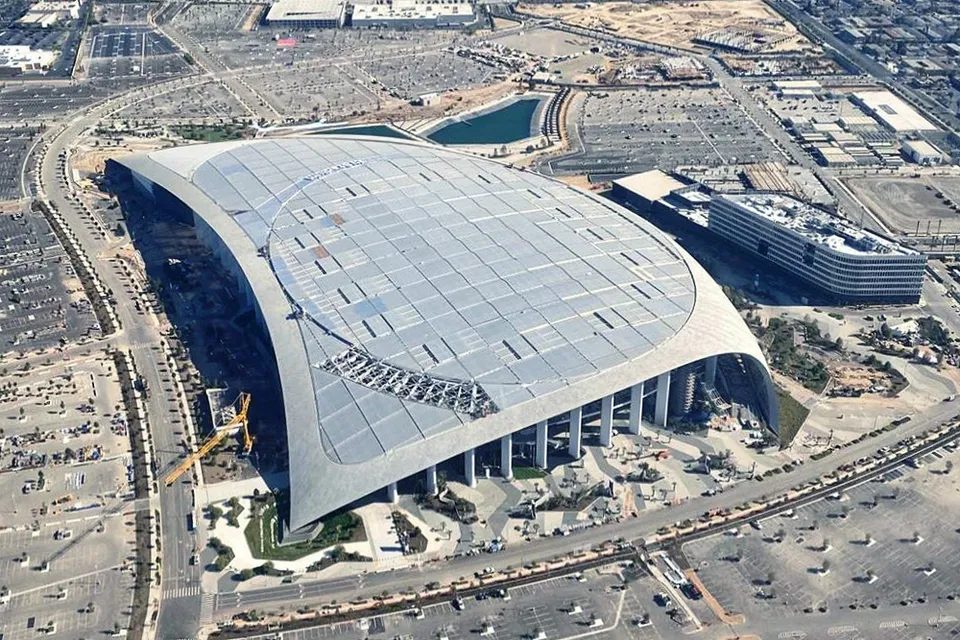
That dual identity is usually a quiet fact of daily life. The World Cup makes it impossible to ignore. On Monday, June 29, Brazil and Japan meet in the Round of 32 in Houston — kickoff at midday in Texas, prime evening viewing across Japan. Five-time champions Brazil against a Japan side that the country's football association chief has called a contender in potentially the biggest knockout tie in Japanese soccer history. For the Japanese Brazilians watching, no prediction settles the only question that matters: which shirt do you wear?
The long road back to Japan
The community's roots run in the opposite direction. Beginning in 1908, hundreds of thousands of Japanese emigrated to Brazil to work its coffee plantations, building one of the largest Japanese diaspora communities in the world.
Decades later, the flow reversed. In the 1980s, Brazil's economy buckled under hyperinflation while Japan's factories ran short of labor. In 1990, Japan amended its immigration law to grant long-term work visas to the descendants of Japanese emigrants, up to the third generation, and their families. Hundreds of thousands of Brazilians arrived as dekasegi — temporary migrant workers — drawn by wages many times what they could earn at home. As of late 2024, more than 200,000 Brazilian nationals were registered in Japan, more than half of them permanent residents.
Many who came to stay a few years stayed for good. Couples married, children were born, and the dekasegi who once mailed money home started calling Japan home.
Caught between two countries
Integration has never been simple. In Brazil, the Nikkei — Japanese Brazilians — were marked as Japanese; in Japan, their Portuguese accents and Brazilian manners mark them as foreign again. Researchers have long noted that they can feel like outsiders in both places, often channeled into the hard, low-status factory work that Japan's labor shortage left open.
In Oizumi and in Hamamatsu, a manufacturing city further down the Pacific coast that hosts one of Japan's largest Brazilian populations, the community built its own world: Brazilian groceries, Portuguese-language churches, soccer pitches where coaches shout in a blend of both tongues. Town officials in Oizumi have described the place as a preview of Japan's demographic future — a test of whether the country can integrate newcomers rather than simply employ them.
The shirt you choose
For the second generation — Japanese-born, raised on Japanese schooling but on Brazilian television at home — Monday's match lands hardest. Some will wear both colors. Some will refuse to choose. Some will watch in silence, quietly hoping for the result that hurts least.
Kickoff in Houston is Monday afternoon; in Oizumi, it will be the small hours of Tuesday. Whatever the score, the crowd in a Portuguese-language bar in Gunma will either erupt or fall quiet at the final whistle — and then, the next morning, everyone will go back to sharing the same town.