For 50 years, U.S. nuclear plants, hospitals and weapons sites have operated under a simple safety instruction: keep radiation exposure not just under legal limits but "as low as reasonably achievable." Federal regulators now want to change that — a shift that has set off a sharp fight over science, cost and public safety.
What's being changed
Two long-standing pillars of radiation protection are under review. One is the "linear no-threshold" model, or LNT, the assumption that any amount of radiation carries some cancer risk, rising with the dose. The other is the "as low as reasonably achievable" principle, known as ALARA, which requires operators to keep exposure below the legal ceiling wherever it is practical to do so.
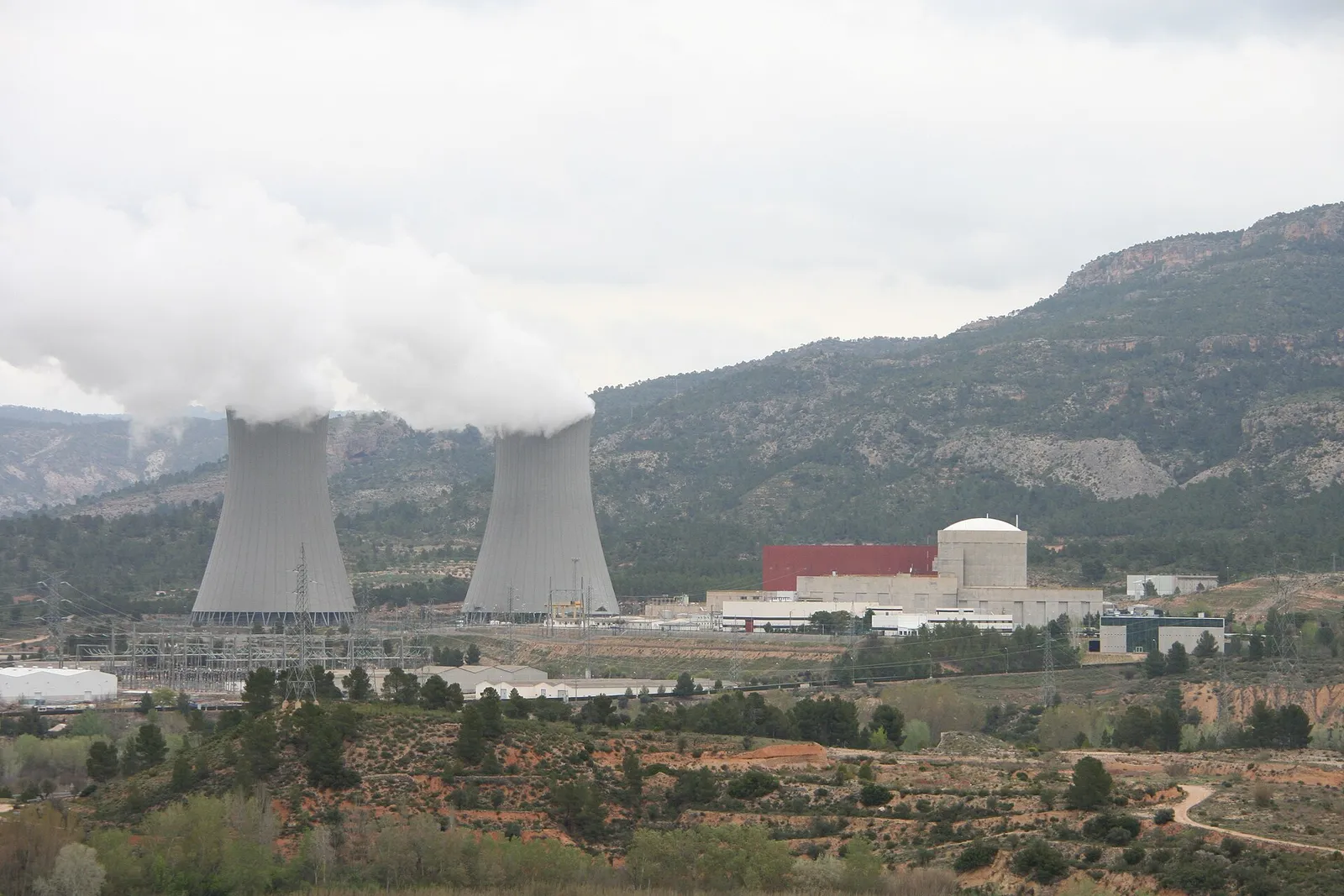
The Nuclear Regulatory Commission has moved to modernize its radiation-protection framework and to reconsider its reliance on LNT and ALARA, E&E News reported. Under the approach being weighed, plants would no longer be required to drive doses ever lower under ALARA, and would instead simply have to stay beneath maximum dose limits — some of which could be relaxed. The Department of Energy already dropped ALARA from its own safety rules earlier this year.
The effort follows an executive order President Trump signed in 2025 directing regulators to overhaul radiation standards as part of a broader plan to accelerate a build-out of nuclear energy.
The case for the change
Proponents — including much of the nuclear industry and some scientists — argue the old rules are more cautious than the science warrants. LNT, they say, assumes harm from doses so small that no effect has ever been measured, which can force operators to spend heavily chasing reductions with no clear health benefit. A common industry complaint is that ALARA can require costly engineering to shave off exposures smaller than what a person gets from a cross-country flight.
The administration frames the move as modernization. Its order argues that existing rules "lack sound scientific basis and produce irrational results," and supporters contend that fixed, predictable dose limits would let the country expand nuclear power without lowering real safety.
The case against it
Radiation-safety researchers and public-health advocates counter that LNT and ALARA are precisely what have kept exposures low, and that weakening them trades a proven safeguard for speed. Scientists have publicly objected to the pace of the effort, warning that the science of low-dose radiation is not settled in the direction proponents claim, Science reported. Large long-term studies of nuclear workers have found elevated cancer risk even at low cumulative doses, and major radiation-protection bodies have continued to endorse LNT as the most prudent basis for regulation.
Critics also worry about process. "Eliminating the ALARA rule would be reckless," said Rep. Diana DeGette of Colorado, the ranking Democrat on the House Energy and Commerce health subcommittee. "I strongly oppose any effort, whether at DOE or NRC, to weaken standards in the name of speed. Cutting corners on nuclear safety puts people at risk." Opponents, including writers at the Bulletin of the Atomic Scientists, warn the changes could ripple into looser worker protections and reactor-safety margins.
The unsettled science at the center
The dispute ultimately turns on a genuine scientific hard problem: what, if anything, very low doses of radiation do to the body. Cells repair some radiation damage, and disentangling a tiny added risk from all the other causes of cancer is extraordinarily difficult. That uncertainty is exactly why the two sides read the same evidence so differently — proponents seeing overcaution, critics seeing a reason not to gamble.
The proposal now heads into a public comment period before any final rule. What regulators decide will shape not only how quickly the United States can build new reactors, but how much radiation the people who work in and live near them may be exposed to for decades to come.