

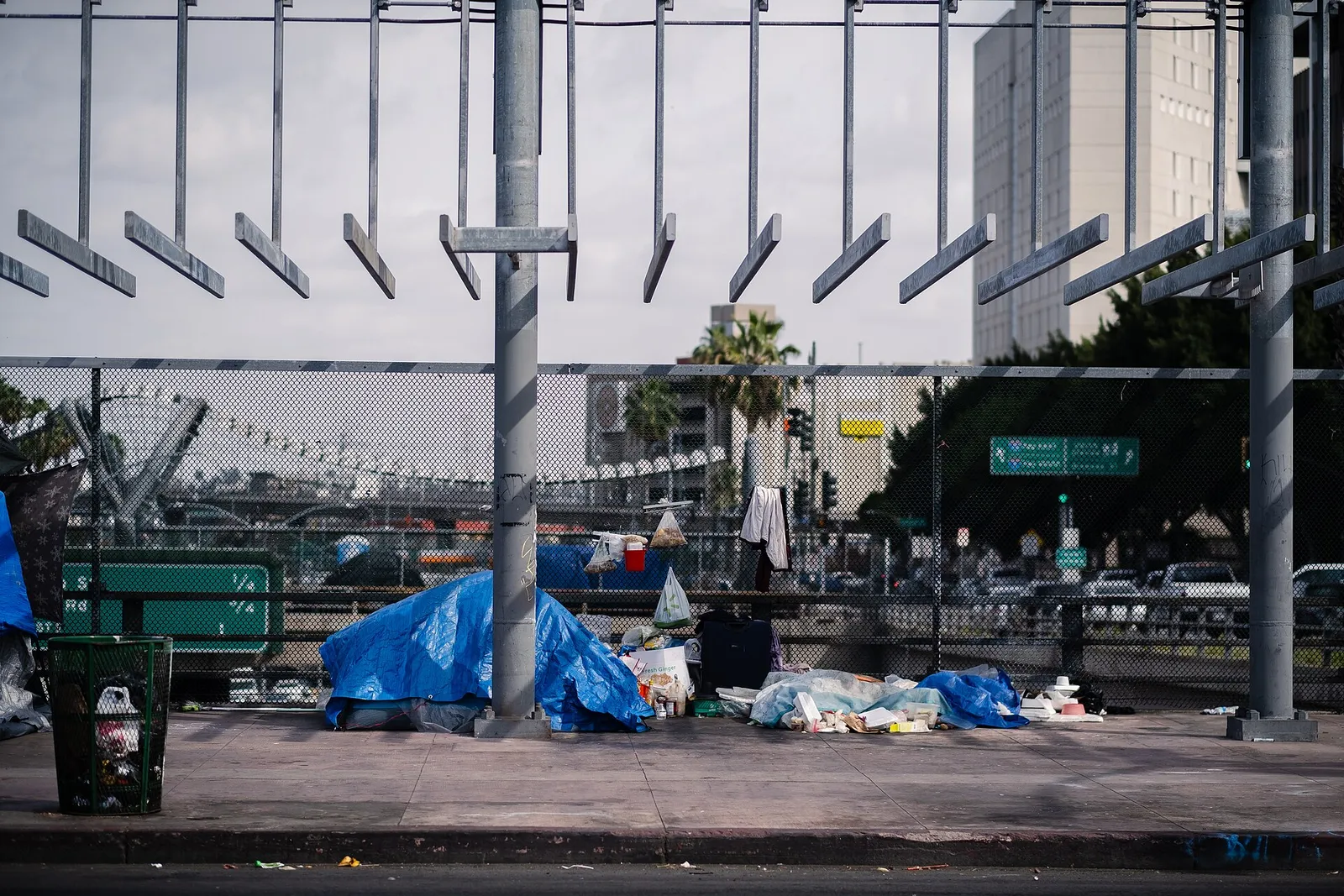
Los Angeles will get its annual homelessness numbers on Friday, and Mayor Karen Bass is getting ahead of them, LAist reports: she says the count went up this year, and she says it is not her policies that pushed it there.
What Bass said
After two consecutive years of decline, Bass acknowledged that the unhoused population rose. "For two years straight, we drove down homelessness by historic margins," she said, "but as expected, last year our efforts ultimately couldn't keep up with policies and funding cuts at the federal and state levels that pushed more people onto the streets."
Specifically, she pointed to state reductions in the Homeless Housing, Assistance and Prevention grant program, the HHAP money that counties and cities lean on, and to Trump administration policies she says drove up costs and cut safety-net funding.
An important caveat: the numbers aren't out
It is worth being precise about what has and has not happened. As of now, the actual 2026 figures have not been released. The Los Angeles Homeless Services Authority is scheduled to announce the official count on Friday at 1 p.m., delayed from its usual June timing while federal data was reviewed. So what exists today is the mayor's characterization of the result, an increase, ahead of the number itself.
For comparison, last year's count did show progress: the city's tally fell 3.4 percent and the county's dropped about 4 percent. The point-in-time count that produces these figures was conducted across the county in January, is required by the U.S. Department of Housing and Urban Development, and helps determine how much federal homelessness money the region receives.
Reading the politics honestly
There is no way to separate this from the calendar. Bass is up for reelection, facing City Councilmember Nithya Raman, who chairs the council's housing and homelessness committee. A mayor releasing a bad number is always going to frame it, and getting out ahead of Friday's count to assign the cause to state and federal cuts is a political act as much as a policy explanation.
That framing may also be substantially true. HHAP reductions are real, and homelessness is genuinely sensitive to the cost of housing and the availability of prevention funding, both of which are shaped well above City Hall. But it is a claim with a clear interest behind it, and the honest position is to report it as the mayor's explanation, to be weighed against the actual figures when they land and against the critiques her opponents will offer.
The number that matters arrives Friday. When it does, the Herald will report the verified count, how it breaks down across the city and county, and what it says about whether two years of declines were a turning point or a pause.