A bid to pull Colorado into the nation's mid-decade redistricting brawl has run aground — not on the politics, but on a technical rule in the state constitution.
A procedural ruling
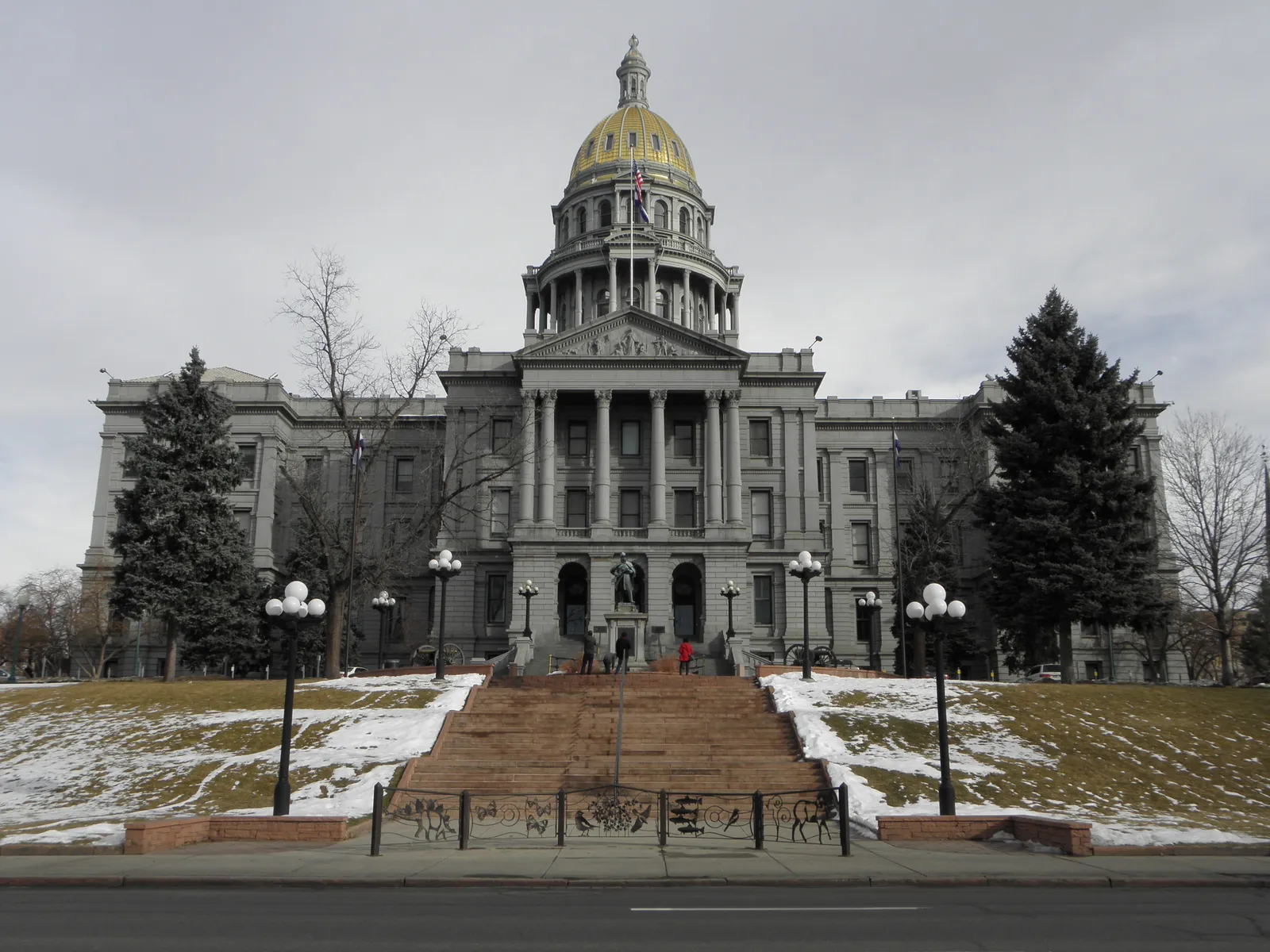
The Colorado Supreme Court ruled unanimously Monday that three Democratic-backed redistricting initiatives — numbered 240, 241 and 242 — violated the state constitution's requirement that a ballot measure address only a single subject, the Colorado Sun reported. Chief Justice Monica Márquez, writing on Initiative 240, said the proposal amounted to "a seismic shift to Colorado's longstanding redistricting process" rather than a narrow change. A second opinion, by Justice Richard Gabriel, struck down 241 and 242, a two-part structure designed to evade the single-subject limit. Notably, the court did not rule on whether mid-decade redistricting is itself permissible; its reasoning was purely procedural.
What the measures would have done
The initiatives, backed by a group called Coloradans for a Level Playing Field with ties to national Democratic leaders, would have suspended the current congressional map — drawn by the state's independent commission after the 2020 census — and installed new lines for the 2028 and 2030 elections. Democrats, who hold four of Colorado's eight U.S. House seats, were projected to be favored in seven under the proposed map, CPR reported. Because the measures targeted 2028, the ruling does not change Colorado's lines for the 2026 midterms.
Colorado's independent commissions
Colorado has some of the nation's strongest guardrails against partisan mapmaking. In 2018, voters approved Amendments Y and Z, creating independent commissions — drawn from registered voters rather than legislators — to draw congressional and legislative lines, with an explicit ban on favoring any party. Bypassing that system required amending the constitution itself, the very mechanism the court found defective. Monday's ruling leaves the commission and its current map in place.
A national fight
Colorado's case is one front in a wider redistricting war ahead of the 2026 midterms, as Republican-led legislatures in several states have redrawn maps mid-decade and Democrats have sought offsetting gains where they have leverage. Colorado is unusual in routing the process through independent commissions rather than the legislature — which is why the fight here played out as a ballot-measure question. This is a state-court ruling on state constitutional law, separate from federal redistricting litigation elsewhere.
Reactions
A spokesperson for the measures' backers called the outcome "disappointing" and warned it would cost Democrats seats nationally; the group did not say whether it would try again. Republican-aligned organizers, who have filed competing measures to further entrench the independent-commission process, welcomed the decision as a vindication of the system voters approved eight years ago.