The date thousands of migrants are racing to beat does not exist in South African law. It has emptied neighborhoods all the same.
A deadline with no legal basis
Anti-immigration groups — including the Zulu-nationalist movement Operation Dudula — have for weeks declared June 30 the day by which undocumented foreigners must leave or "face consequences," France 24 reported. Fake government notices, some apparently AI-generated, spread the message further. The government pushed back: "Tuesday, 30 June 2026 remains a normal working day," the presidency said, and the acting police minister warned that "criminality, intimidation, violence … will not be tolerated," with the military on standby to secure airports. The reassurances came too late for many.
Who is leaving
South Africa's Border Management Authority reported that more than 13,000 foreign nationals had been repatriated or deported in roughly two weeks — by its breakdown about 9,000 Malawians, 3,000 Zimbabweans, 900 Ghanaians and 300 Nigerians, Al Jazeera reported. Malawi said more than 15,000 of its citizens had been processed for departure. In Durban, more than 1,000 migrants fled informal settlements after night raids in which homes were burned. "I said if I am going to die, let me die in my home country," one Malawian man told Al Jazeera before boarding a repatriation bus.
Violence on the ground
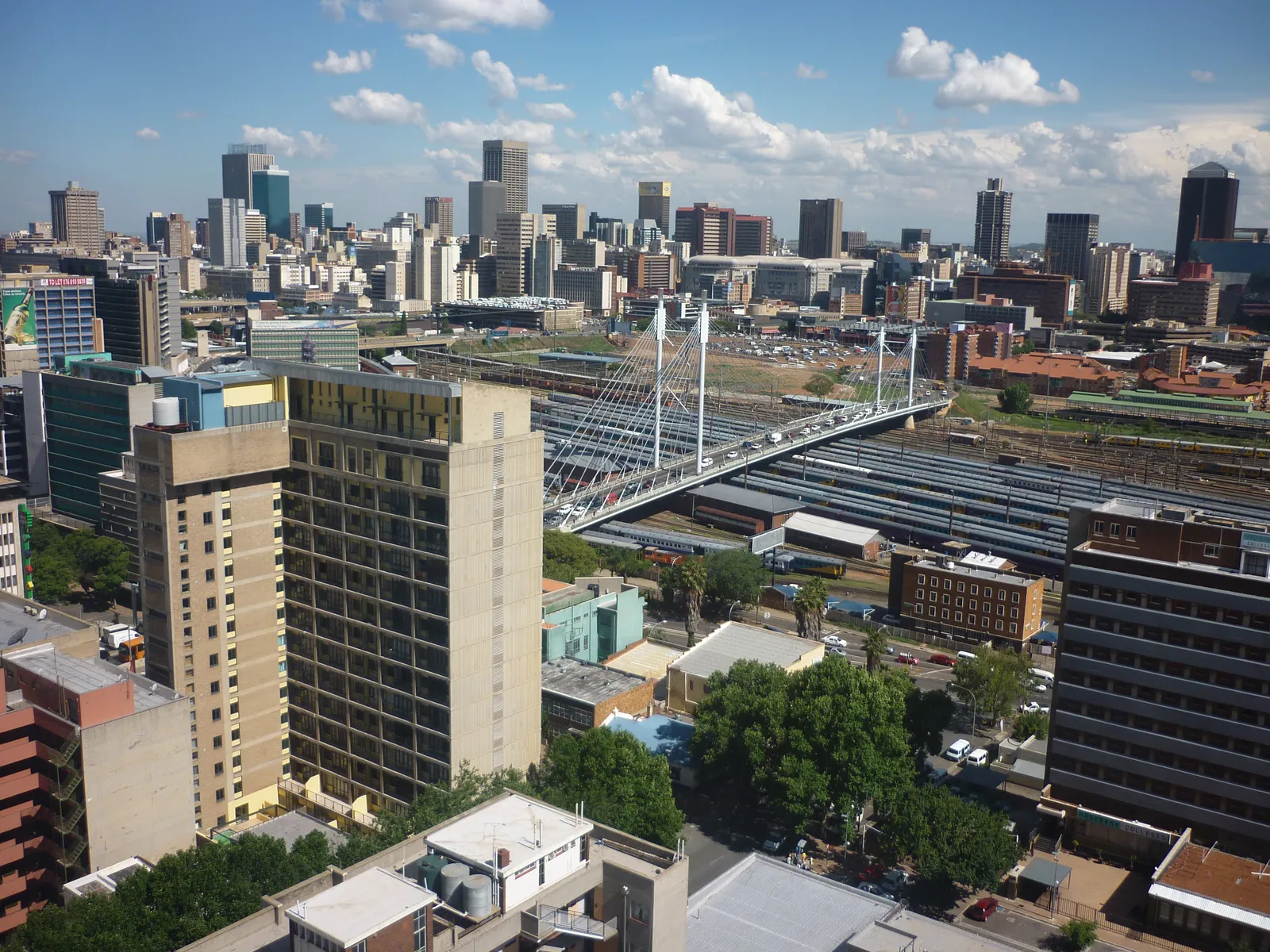
At least three people have been killed in anti-foreigner attacks in recent weeks, according to reports from KwaZulu-Natal and the Western Cape. Operation Dudula members have stopped people in the street to demand identity documents, blocked some foreign nationals from public hospitals and targeted foreign-owned shops; on June 26, roughly 1,000 supporters marched through central Johannesburg to commercial hubs popular with African traders, under police watch.
Nigeria's anger, Africa's alarm
The crisis has opened a continental fault line. Nigeria — which backed the anti-apartheid struggle — repatriated citizens on chartered flights this month and reacted with open anger; Foreign Minister Bianca Odumegwu-Ojukwu accused Pretoria of failing to forcefully condemn the violence, saying it had "damaged the bond the two countries have enjoyed." Ghana and Mozambique organized their own repatriations.
A pattern South Africa has seen before
The episode fits a grim history: coordinated xenophobic attacks killed more than 60 people in 2008, with smaller waves in 2015 and 2019. Underpinning it is an unemployment rate above 30 percent that makes foreign nationals a recurring scapegoat — and, with local elections set for November, analysts warn the rhetoric is unlikely to fade once June 30 passes.