

President Trump has offered Ukraine a form of help it has long sought, and in a way that underscores how much his posture toward the war has shifted this week.
The announcement
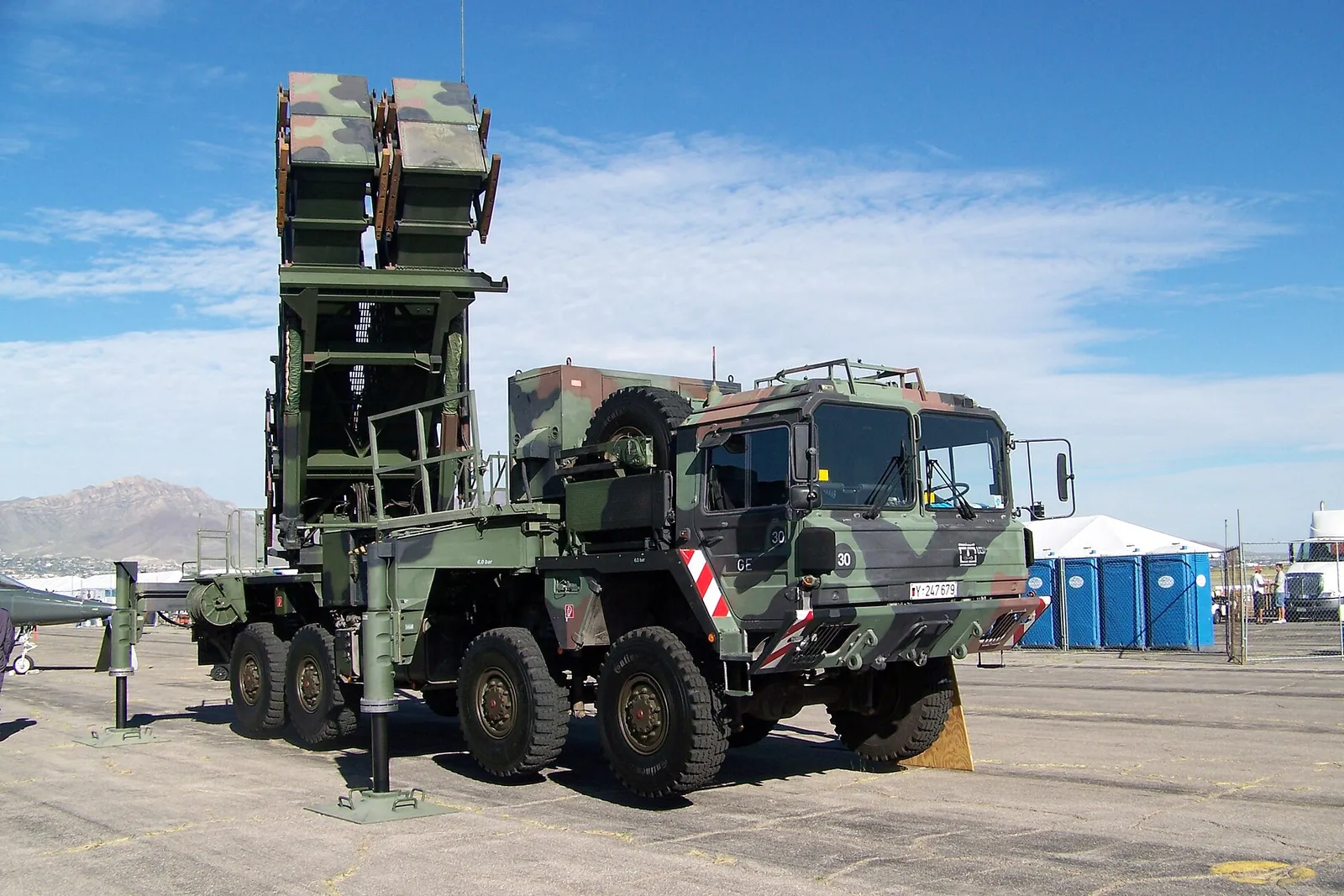
Meeting Ukraine's president, Volodymyr Zelensky, on the sidelines of the NATO summit in Turkey, Mr. Trump said the United States would let Ukraine produce Patriot air-defense interceptors under license. "We're going to give a license to you to make Patriots," he said, adding that he preferred that approach because a Patriot "is a defensive weapon, which I like better than an offensive weapon," Defense News reported. Coming after a stretch of strain between Washington and Kyiv, the pledge marked a warming that Ukrainian officials had been pressing for.
Why Patriots matter
The Patriot is the most capable air-defense system Ukraine operates, and effectively its only means of shooting down the ballistic missiles Russia has increasingly used to strike Ukrainian cities. Those interceptors are in short supply worldwide, produced in limited numbers each year, which has made Ukraine's requests for more of them a central, and often frustrated, part of its appeals to allies, Defense News reported.
The war grinds on
The announcement landed against a grim backdrop. In recent days Russia has hammered Kyiv with waves of drones and missiles, including a barrage this week that Ukrainian officials said killed at least 20 people, an assault Ukraine could not fully repel in part because it lacked enough interceptors. Air-defense capacity, in other words, is not an abstraction for Ukrainians; it is the difference between a night of intercepted drones and one of funerals.
A cautious welcome
That is why the reaction in Ukraine was warm but measured. Officials welcomed the direction of Mr. Trump's remarks while noting that licensing domestic production is a long-term project, not a fix for the immediate shortfall, as TIME reported. Practical details were also unresolved, including which version of the interceptor would be covered and how quickly any Ukrainian-made missiles could actually be built. Mr. Trump himself acknowledged that the manufacturer had not yet been formally told of the decision.
Moscow objects
Russia was unhappy. Its foreign minister, Sergey Lavrov, cast the move as evidence that Washington had abandoned any pretense of being an evenhanded broker and was returning to firm support for Kyiv, Defense News reported. For Ukraine, that is rather the point: after months of uncertainty about American backing, a concrete commitment on the weapon it wants most is welcome, even if the missiles themselves remain, for now, a promise rather than a shipment.