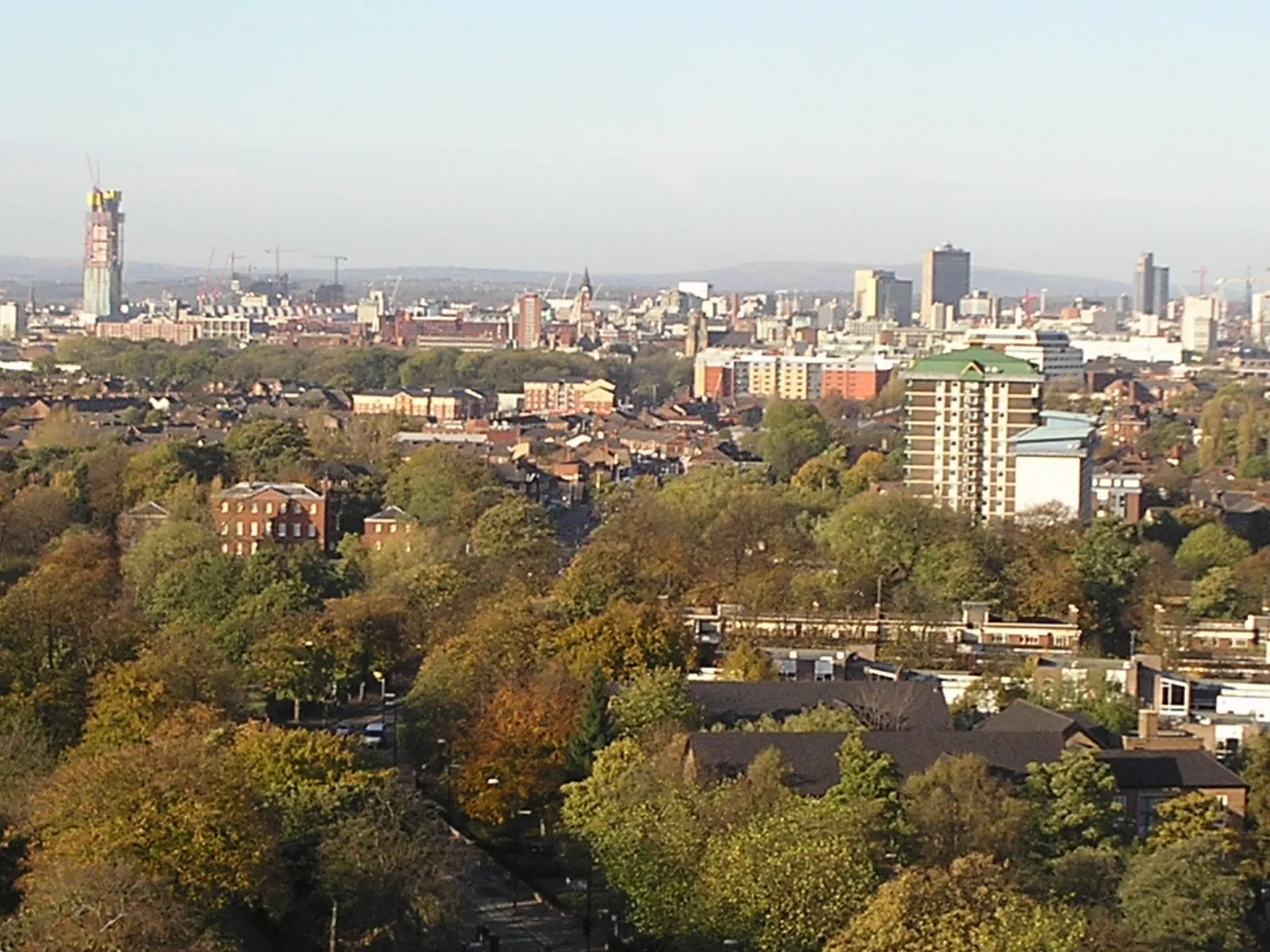
Britain is again searching for a prime minister, and the man widely seen as the favorite does not currently sit in Parliament's front rank — he runs a city in the north of England.
A leadership vacancy
Keir Starmer resigned on June 22, ending a premiership that unraveled with startling speed after Labour's collapse in May local elections and a cascade of ministerial resignations. Into that vacuum has stepped Andy Burnham, the mayor of Greater Manchester, who on Monday delivered what supporters bill as the most ambitious plan to shift power away from Westminster in a generation.
Burnham is, for now, the only declared candidate. Under Labour's rules he first had to return to Parliament: a sitting MP gave up a safe seat, and Burnham won the resulting by-election in June. Nominations open in early July; if no rival gathers enough support from Labour MPs, Burnham could become party leader — and prime minister — within weeks.
The man from Manchester
Burnham, 56, is a familiar figure. A former culture secretary and health secretary under Labour's last governments, he lost the party's 2015 leadership race, then remade himself as Greater Manchester's mayor, a post he has held since 2017. He became a national name during the pandemic, when he publicly clashed with the Johnson government over funding for northern lockdowns, earning the nickname "King of the North."
What 'Manchesterism' means
The philosophy Burnham unveiled draws on his decade running Manchester. He casts it as a response to a "high-inequality, low-growth trap" created by decades of concentrating economic and political power in London and the Treasury, according to UK coverage of the speech. It rests on two pillars: an economic mission to lift living standards through housing, infrastructure and reform of utilities such as energy, water and transport; and a sweeping devolution of power, handing regional mayors expanded control over housing, welfare delivery and post-16 education.
Burnham has described himself as a "pro-business socialist" and pledged to keep Labour's existing fiscal rules — a signal to markets and to the party's centrists that he is not proposing a return to the high-spending platform of the Corbyn era, even as he champions more public ownership of essential services.
Risks and open questions
His front-runner status owes something to the absence of a rival. Wes Streeting, the most prominent internal critic of Starmer's circle, has said he will not run, but another candidate from Labour's center or right could still emerge before nominations close. The detailed costings and legislation behind "Manchesterism" remain to be spelled out, and enacting public ownership and deep devolution would demand sustained effort from a parliamentary party that has just deposed one leader.
For now, though, Burnham holds the stage — and a wager that the cure for Britain's discontent is to govern it less from London.