

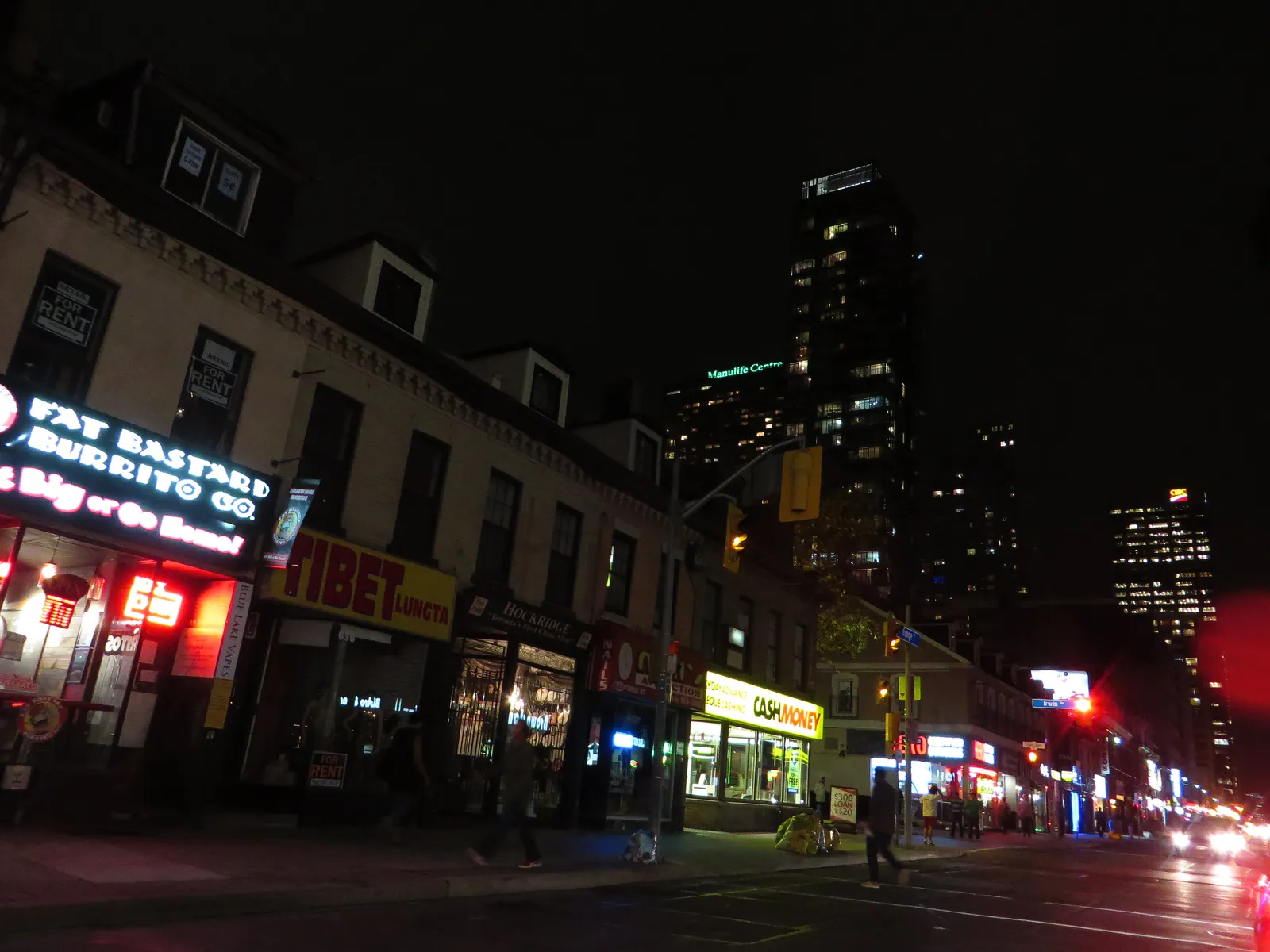
On a sweltering night in August 1918, a routine bar ejection in downtown Toronto set off three days of mob violence that the city would spend most of the next century forgetting.
A summer night on Yonge Street
It began at the White City Café on Yonge Street, where a drunk, disabled Canadian war veteran struck a waiter and was thrown out, accounts of the riot record. Rumors raced through the city's veteran community that a soldier — a man who had fought for Canada — had been beaten by Greeks. The rumors were false. It did not matter.
By the next night, crowds estimated in the thousands — by some accounts swelling much larger — had massed on Yonge Street, led by returned soldiers. What followed was days of looting and destruction of Greek-owned restaurants across the downtown. The mayor invoked the Riot Act and called in the militia to restore order.
The making of a scapegoat
The violence did not come from nowhere. Greek immigrants made up a tiny share of Toronto's population yet had come to own a large portion of the city's cheap restaurants and lunch counters — the affordable diners where working people ate every day. That visibility, fused with wartime resentment, made them a target.
The charge most often leveled was that Greek men were "slackers" who had stayed home and prospered while Canadians died in the trenches. It was rooted in ignorance of policy: Canada had barred Greek immigrants from enlisting for much of the war, partly over suspicions about Greece's wartime allegiances, so the community had little say in its own exclusion. Community leaders pointed out, to little effect, that thousands of Greek Canadians were in fact serving in Canadian forces. The timing made things worse — a veterans' association was holding a congress in the city just as tensions peaked.
The scale, and the silence
Over three days, more than twenty Greek-owned establishments were attacked or wrecked, with damages running into the equivalent of more than a million dollars today. Many were injured and a number arrested, though no deaths were recorded. Historian Thomas Gallant, who co-authored a 2005 study and a later documentary on the episode, has described it as the largest anti-Greek riot anywhere in recorded history.
The riot reshaped the city's map: driven from Yonge Street, the Greek community rebuilt on Danforth Avenue, which remains Toronto's "Greektown" today.
And then, for decades, the episode all but vanished from public memory. A community eager to assimilate drew a silence over it; textbooks moved on. Scholars revisited the riot in earnest only in the early 2000s, more than eighty years later, and Canada's Parliament later commended that research for bringing the history to light.
Why it still matters
The pattern the riot traces — a visible immigrant minority, an economic grievance, a false rumor, a restless population of returning veterans — is not unique to its moment. Historians have been pointed in drawing parallels to present-day debates over immigration, in Canada and beyond, where newcomers are again blamed for housing costs and scarce jobs. "Erased from history" is rarely an accident, the episode suggests. Silence, too, is a choice — made by communities that needed to survive, and by a society that found it easier to forget.