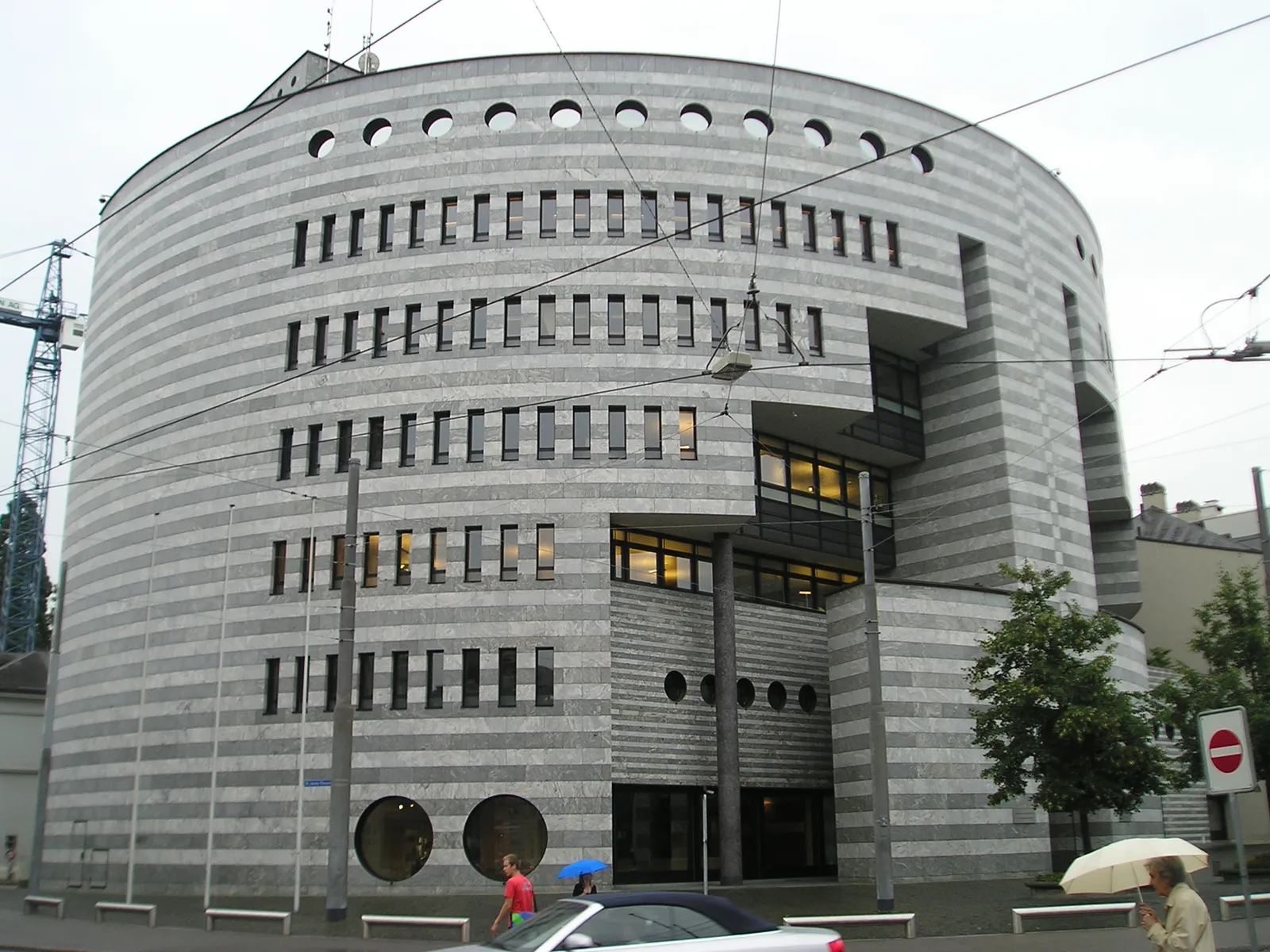
The institution that serves as banker to the world's central banks has looked at the trillions pouring into artificial intelligence and seen an uncomfortable historical rhyme.
'Beyond levels that can be justified'
In its Annual Economic Report, released this week, the Basel-based Bank for International Settlements warned that competitive pressure may be driving AI investment "beyond levels that can be justified by realistic returns." The five largest "hyperscalers" — Amazon, Alphabet, Microsoft, Meta and Oracle — are on track to spend more than $1 trillion combined on AI-related capital projects across 2025 and 2026, a pace the BIS said is already outstripping their earnings and pushing some to borrow to keep up.
The report drew an explicit parallel to earlier episodes of technology-driven overinvestment: the canal and railway manias of the 1800s, the electrification boom of the 1920s and the dot-com surge of the late 1990s. Each, the BIS noted, paired a genuine breakthrough with capital flows that outran what commercial returns could ultimately justify — and each was followed by a downturn.
Concentrated bets
The financial-stability warnings center on how lopsided the market's AI wager has become. U.S. stocks now make up roughly 64 percent of the MSCI global index, the BIS said, meaning a sharp repricing of American tech shares would ripple through pension funds and retirement accounts worldwide rather than stay contained. Implied long-term earnings growth for the largest U.S. firms sits well above historical norms, even as risk premiums have compressed — what the report called "an apparent disconnect" with a turbulent global backdrop.
Because households hold more of their wealth in equities than in past cycles, the BIS warned, a correction would produce "more pronounced wealth effects" — in plain terms, people would feel poorer, spend less and slow the economy.
The debt underneath
Beyond the stock market, the BIS flagged a less visible layer of risk in the credit financing the build-out. Hyperscalers, AI labs and data-center contractors have issued large volumes of debt tied to their AI commitments — hyperscalers alone issued more than $100 billion in corporate bonds in 2025, according to a BIS bulletin cited in the report — and credit spreads on some AI firms have already begun to widen.
The report also flagged "circular financing," in which chipmakers and cloud providers take equity stakes in AI labs that then commit to buying chips or computing power from those same backers, arrangements it said are "typically poorly disclosed." A growing share of AI lending is flowing through hedge funds and private-credit vehicles with lighter oversight than banks.
The productivity question
Underpinning all of it is a bet that AI will deliver transformative productivity gains. The BIS assessed that bet as uncertain enough to be a risk in itself: while task-level studies show AI saving 20 to 50 percent of time on specific jobs, economy-wide productivity estimates remain modest — under 1 percent over a long horizon. If AI underdelivers, the report warned, financing could be pulled suddenly, and because so much of it runs through lightly regulated channels, any correction could unfold "much faster than previous banking crisis episodes," the BIS told reporters.
Notably, the BIS declined to prescribe a remedy such as higher interest rates, saying the uncertainty made firm guidance unwise. Its role, the institution stressed, is to map the risks; it is up to national central banks to decide what to do about them.