

Nancy Pelosi is planning her next act, and it will unfold a short drive from the San Francisco district she has represented since 1987: at the University of California, Berkeley.
A post-Congress chapter in the Bay Area
Pelosi, the former two-time House speaker, is establishing a democracy institute at UC Berkeley, the Los Angeles Times and The New York Times reported. Her office has described the project as nonpartisan in mission — aimed broadly at strengthening democratic institutions and developing the next generation of public servants.
The institute caps a long career now winding down. Pelosi, 86, announced in November 2025 that she would not seek another term, putting her on course to leave the House in January 2027 after nearly four decades. She remains a sitting member of Congress in the meantime.
Why Berkeley
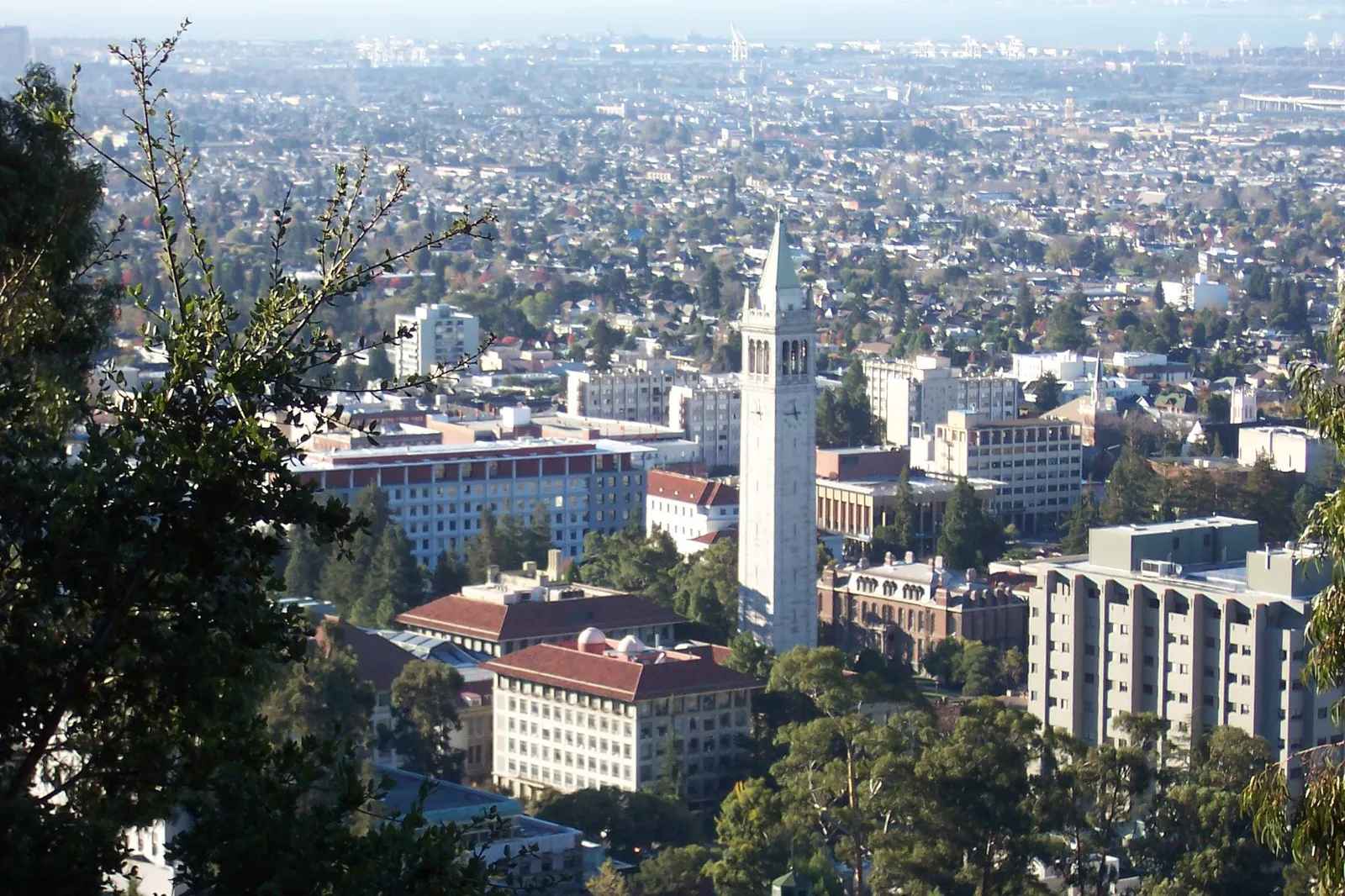
The choice carries both practical and symbolic logic. The campus sits across the bay from Pelosi's district, and she has a history there: in 2022 she delivered the Barbara Boxer Lecture at Berkeley's Institute of Governmental Studies, warning of "urgent threats" to American democracy. The university already hosts democracy-focused research centers, and the January 6, 2021, attack on the Capitol — which unfolded as Pelosi presided over the House — has been a recurring theme in her public remarks since.
The nonpartisan question
The most contested aspect of the project is its claim to be nonpartisan. Pelosi is among the most recognizable partisan figures in modern American politics — a prodigious Democratic fundraiser, the architect of major Democratic legislation, and, for decades, a favorite foil in Republican campaign ads. Critics question whether an institute associated with a sitting Democratic leader can credibly study democracy across party lines.
Defenders counter that the value lies in Pelosi's deep institutional knowledge of Congress and constitutional practice, and note that named centers at other universities — built around the imprint of a single political figure — routinely conduct research that ranges beyond the founder's party. As with those institutes, observers say, the real test will be the institute's first hires and whether its research agenda is willing to challenge Democrats as readily as Republicans.
What is still unknown
Key details remained unconfirmed as of publication, including the institute's formal name, its funding sources, the structure of UC Berkeley's involvement and a launch date; the founding accounts came from the Times and the Los Angeles Times, whose full reports were not independently verifiable by the Herald by deadline. What is clear is the shape of the ambition: a Bay Area home for the civic causes Pelosi has spent her final years in Congress invoking, and an institution meant to outlast her time in office.