

The rocket company that reshaped the space industry is now reshaping conversations in South Bay real estate offices.
The biggest IPO ever, a few miles from the rocket factory
SpaceX priced its initial public offering at $135 a share and began trading on the Nasdaq on June 12 under the ticker SPCX, raising about $75 billion at a valuation of roughly $1.77 trillion — the largest IPO in U.S. history. Shares jumped about 19 percent to close near $161 on the first day, briefly making SpaceX one of the most valuable public companies in the country. For the thousands of engineers and technicians clustered around the company's Hawthorne campus, the debut converted years of equity into substantial paper wealth.
A housing rush, with a catch
Agents say the effect was immediate in the conversation, if not yet in the closings. "When a major tech company goes public and creates concentrated liquidity among thousands of employees in a single area, surrounding neighborhoods respond," said Stephanie Younger, a Los Angeles agent who has published guidance for SpaceX employees buying with stock compensation.
The catch is timing. Most employees cannot sell yet: standard post-IPO lock-up rules typically restrict insider sales for about six months, with staggered early-release windows tied to earnings — meaning the bulk of any spending power may not be unlocked until late in the year. Agents describe buyers trying to get into contract now, before a wider wave of newly liquid colleagues arrives.
The neighborhoods in the crosshairs
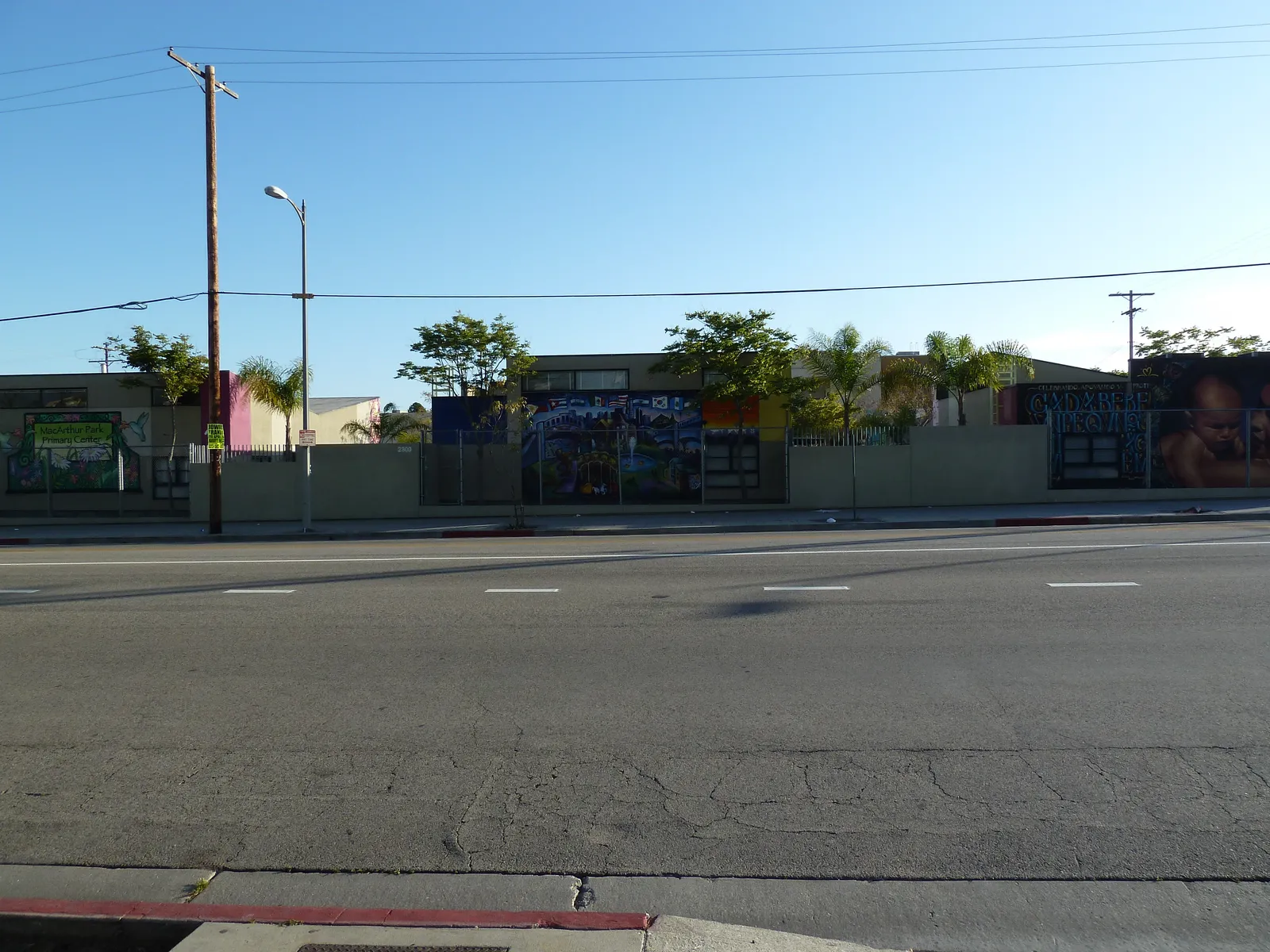
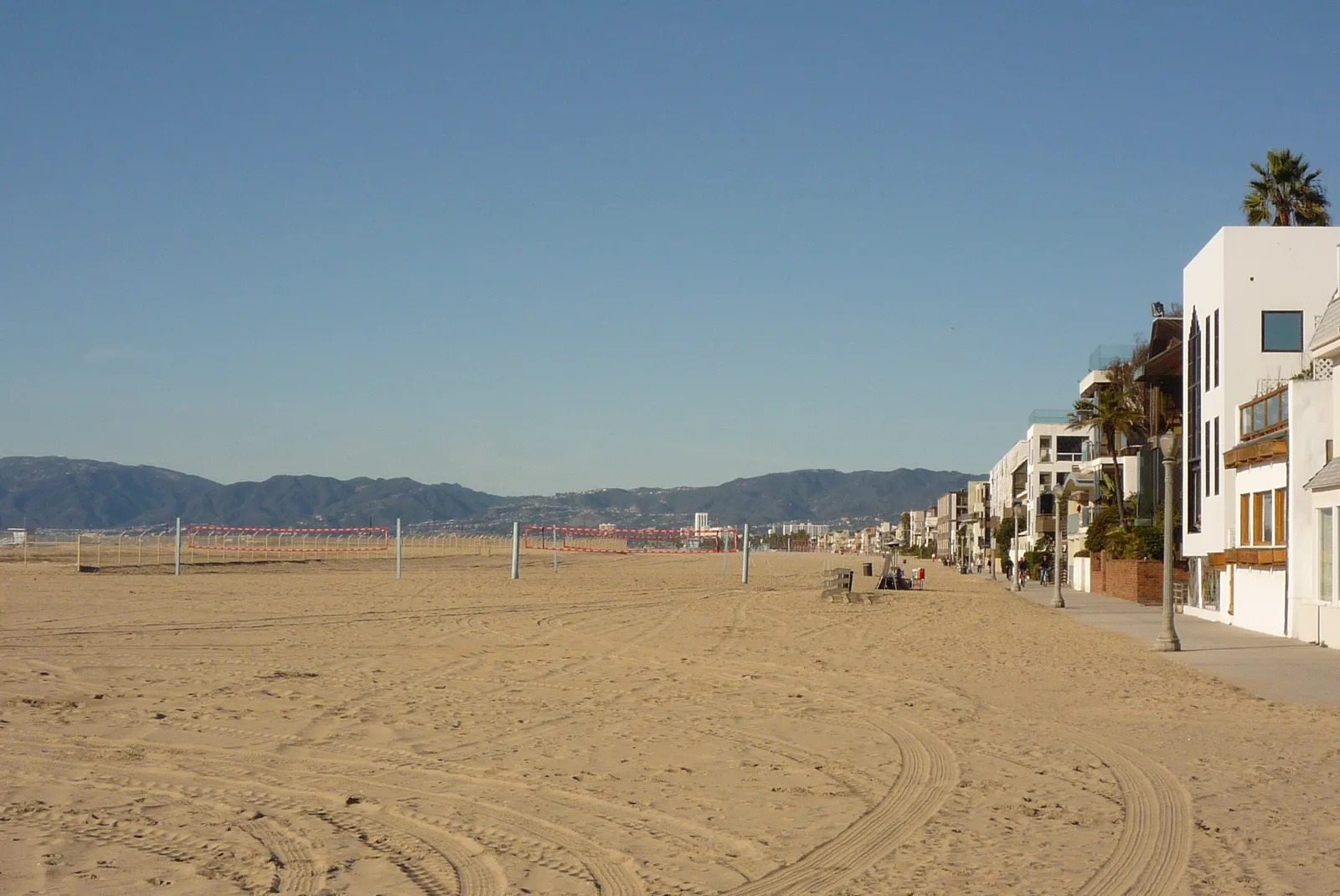
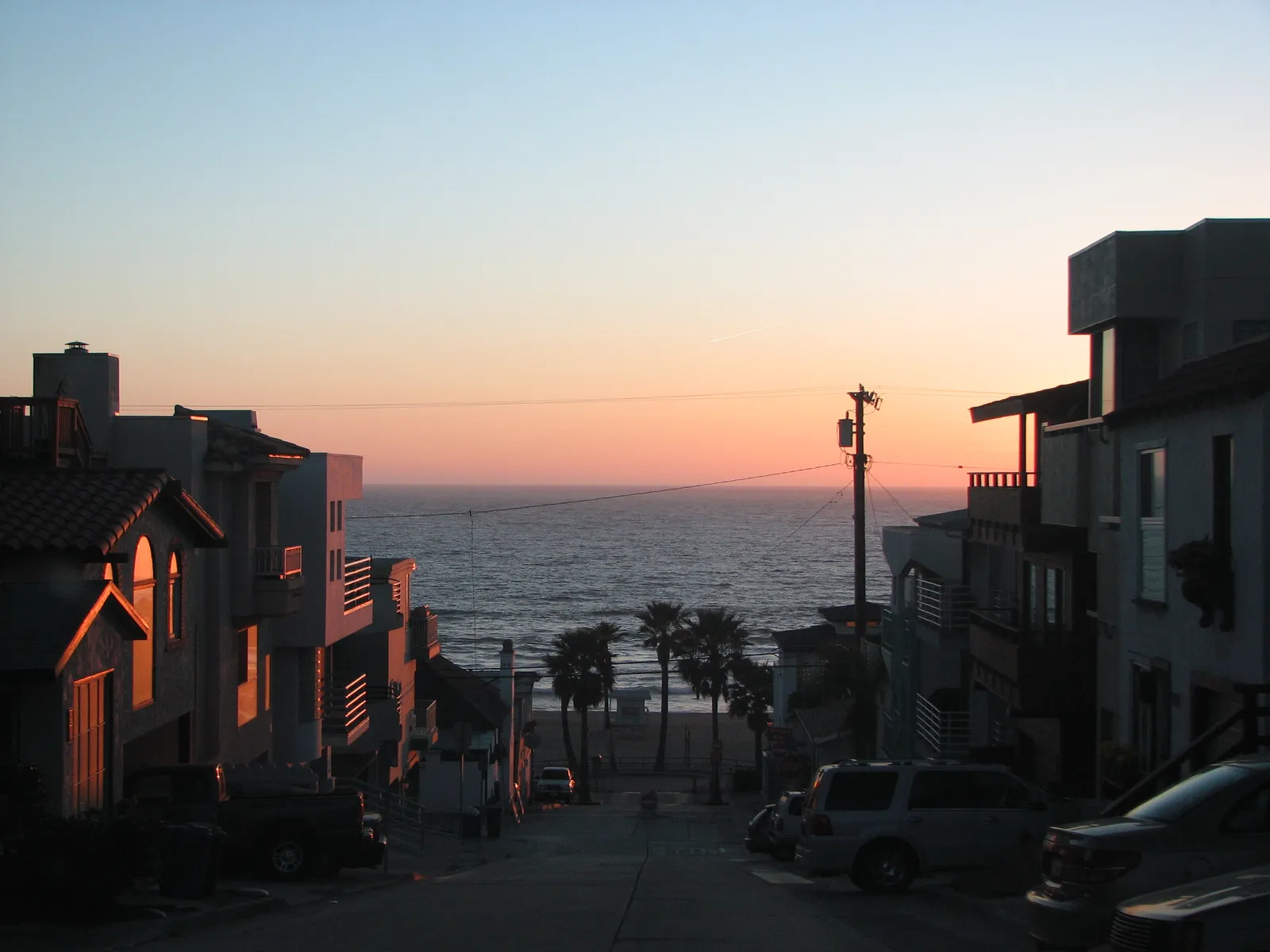
The geography of the "SpaceX effect" is tight. Agents point to El Segundo, minutes from the campus, as the practical first move for many employees; to Hawthorne and Lawndale, immediately adjacent and more affordable, for earlier-career buyers; and to Manhattan Beach, Hermosa Beach and Redondo Beach for those with larger equity stakes and a taste for the coast. Brokers and commercial analysts have compared the potential ripple to the "Google effect" that remade Playa Vista — though such comparisons remain speculative.
A contrarian voice
Not everyone buys the hype. "There's definitely a hype aspect," said Dave Fratello of Edge Real Estate in Manhattan Beach, who has tracked the market closely. He notes that many long-tenured SpaceX employees have already cashed out equity through private secondary sales over the years, so the IPO windfall may be smaller than the headlines imply for exactly the people most able to buy. And big wealth events, he cautions, don't always translate into the predicted surge — Manhattan Beach sales were actually down in 2025, and an anticipated post-wildfire demand spike fell short of forecasts.
The financing wrinkle
Even motivated buyers face an obstacle: most traditional lenders don't count unvested stock as qualifying income and want a track record of equity sales before factoring it in. A niche of specialized lenders has emerged to structure loans around vested shares without forcing immediate, tax-triggering sales — but navigating that landscape before any year-end demand spike is the practical challenge employees now face. For South Bay sellers, the arithmetic is simpler: potentially more buyers, the same scarce inventory. Whether the lock-up's expiration brings a wave or a trickle will depend on the share price, the release windows, and how many engineers decide a home near the rocket factory is worth cashing in their stock.