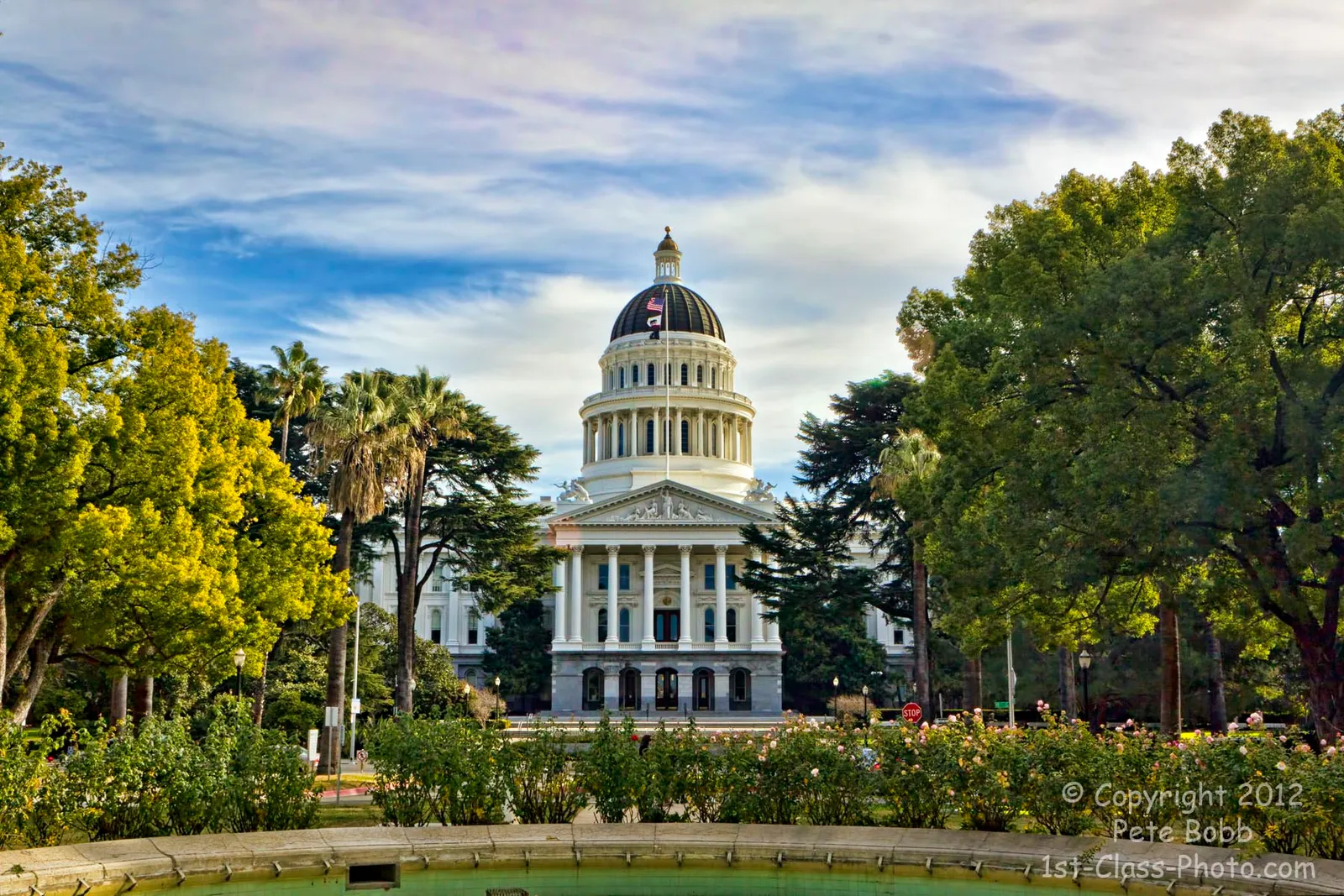


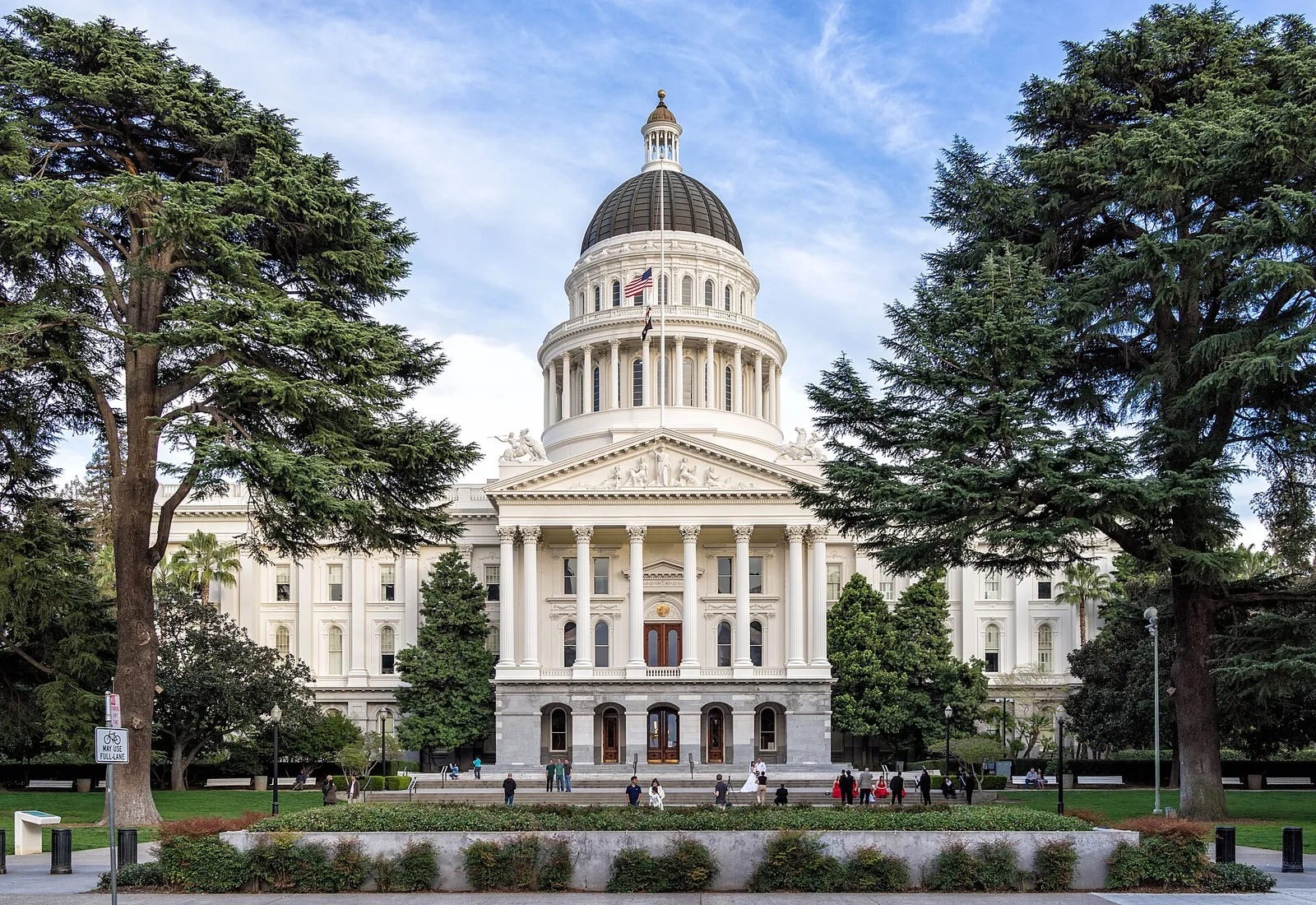
California is moving to assist transgender service members who are being pushed out of the U.S. military, taking up a bill that would ease their return to civilian life as a contested federal policy plays out in the courts.
The federal policy
The effort responds to Executive Order 14183, which President Trump signed on January 27, 2025. Titled "Prioritizing Military Excellence and Readiness," it reversed an earlier policy that had allowed transgender people to serve openly and directed the Pentagon to treat gender dysphoria as disqualifying for military service. Defense Secretary Pete Hegseth's department moved to carry out the change through guidance that set timelines for affected troops to leave, The Washington Post reported. The administration has framed the policy as a matter of military standards and readiness; the executive order asserts that a service member's conduct should reflect "an honorable, truthful, and disciplined lifestyle."
The policy has been litigated heavily. In May 2025 the U.S. Supreme Court allowed it to take effect while lawsuits continued, and about 1,000 service members began voluntary separation. In June 2026, a divided panel of the U.S. Court of Appeals for the D.C. Circuit found the ban unconstitutional — but the decision barred the government from discharging currently serving troops while leaving the policy in place for prospective recruits, and the litigation is not over, PBS NewsHour reported. Estimates of how many service members are transgender vary widely depending on how they are counted.
What California is proposing
Into that uncertainty steps Assembly Bill 1775, introduced by Assemblymember Chris Ward, a San Diego Democrat, to aid those separated because of the federal order, his office said. The bill would fast-track state professional licenses — in fields such as nursing — for affected members, provide no-cost help upgrading discharge paperwork with priority for gender-identity cases, and create a new housing and support grant program for them, CalMatters reported.
The measure passed the state Assembly and has moved to the Senate; it has not cleared the full Legislature or been signed by Gov. Gavin Newsom. Separately, the state budget enacted in June 2026 directed $2 million to California's existing program that helps veterans upgrade their discharge status.
The arguments
Supporters frame the bill as a matter of obligation to people who served. Ward has said "California has a responsibility to step in when the federal government turns its back on people who served honorably," and the bill is backed by LGBTQ and veterans' advocacy groups. Legal organizations challenging the federal policy argue that transgender troops met the same standards as their peers.
Supporters of the federal policy, for their part, cast it as protecting military effectiveness. Hegseth has said maintaining standards ensures a force "free of ideological agendas," and administration officials welcomed the Supreme Court's decision to let the policy proceed. In the reporting reviewed for this article, no California lawmakers or organizations were identified as formally opposing AB 1775, which passed the Assembly by a lopsided margin.
What's next
The bill's fate now rests with the state Senate, and its practical reach will depend in part on how the federal courts ultimately rule — including whether currently serving transgender troops keep the protection a federal appeals panel extended in June. For California, the legislation is part of a broader pattern of the state positioning itself against federal policies it opposes. For the service members caught in between, it is a question of what support, if any, awaits them on the other side of a military career they did not choose to end.