Sport has spent decades and untold millions trying to keep drugs out of competition. A new venture is doing the opposite — inviting them in, and putting a price tag on the results.
What it is
The Enhanced Games staged their inaugural event on May 24 in Las Vegas, with athletes competing in swimming, track and weightlifting under an unusual rule: performance-enhancing substances banned across Olympic sport are permitted, taken with medical supervision, NPR reported. The privately funded competition is backed by a group of investors that has included the entrepreneur Aron D'Souza, the biotech financier Christian Angermayer and the venture capitalist Peter Thiel.
The pitch is money and candor. Organizers put up prize money in the millions and argue that, since elite sport is never truly drug-free, a supervised, transparent contest is more honest — and pays athletes far better — than the Olympic model, NBC News reported.
The headline swim
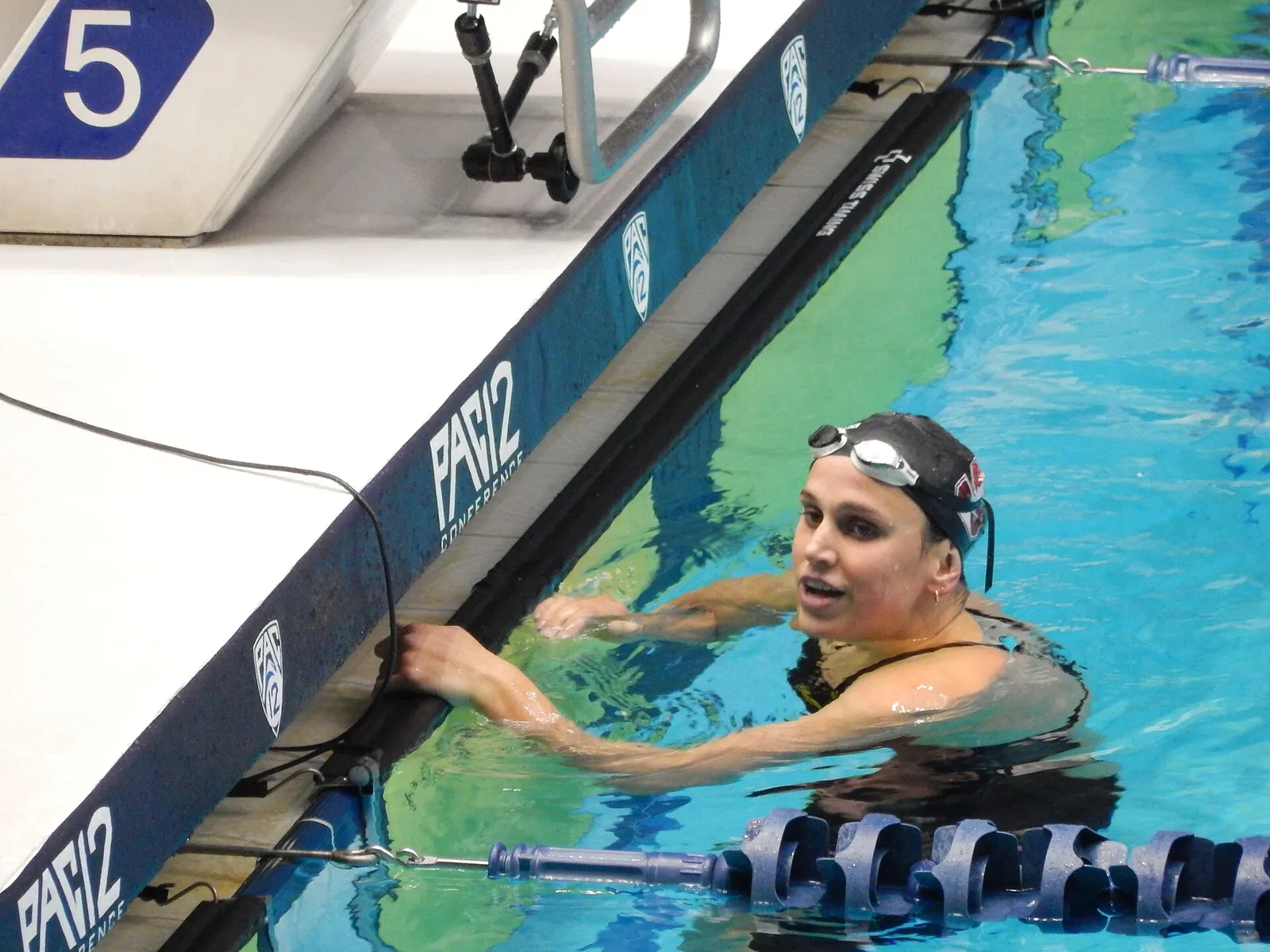
The event's marquee moment came in the pool. Greek sprinter Kristian Gkolomeev swam the 50-meter freestyle in 20.81 seconds — faster than the recognized world record of 20.88 — earning a first-place check plus a $1 million bonus for the mark, Yahoo Sports reported. But it will not count as an official record: World Aquatics, the sport's governing body, will not ratify a swim performed at an unsanctioned meet, with no anti-doping controls and in a banned high-tech suit. Not every competitor doped, either — the American sprinter Fred Kerley said he raced un-enhanced, and fell short of a record.
The backlash
The reaction from the sports establishment has been scathing. The International Olympic Committee dismissed the Enhanced Games as "a joke, unfair and unsafe." World Aquatics called them "not a sporting competition built on universal values like honesty, fairness and equity" but "a circus, built on shortcuts." The World Anti-Doping Agency warned athletes that taking part conflicts with global anti-doping rules, and its president has called the concept dangerous.
Doctors have been just as blunt. Long-term use of anabolic steroids and similar drugs is linked to heart and liver damage, hormonal disruption and mental-health effects, and physicians have rejected the idea that medical supervision makes them safe — one likening it to a doctor supervising a patient's smoking. Whether "medically supervised" doping can ever be low-risk at competitive doses is, experts say, unproven.
The bigger stakes
The organizers say they are forcing an overdue, honest conversation about performance enhancement. Critics say they are normalizing serious health risks for profit and undermining the anti-doping foundation that Olympic sport rests on. With a second edition already promised, the venture is betting that spectacle and prize money will keep drawing athletes and audiences — even as nearly every governing body in mainstream sport lines up against it. What the Enhanced Games have undeniably done is drag a quiet question into the open: how much of what fans watch is "natural" already, and how much are they willing to know.