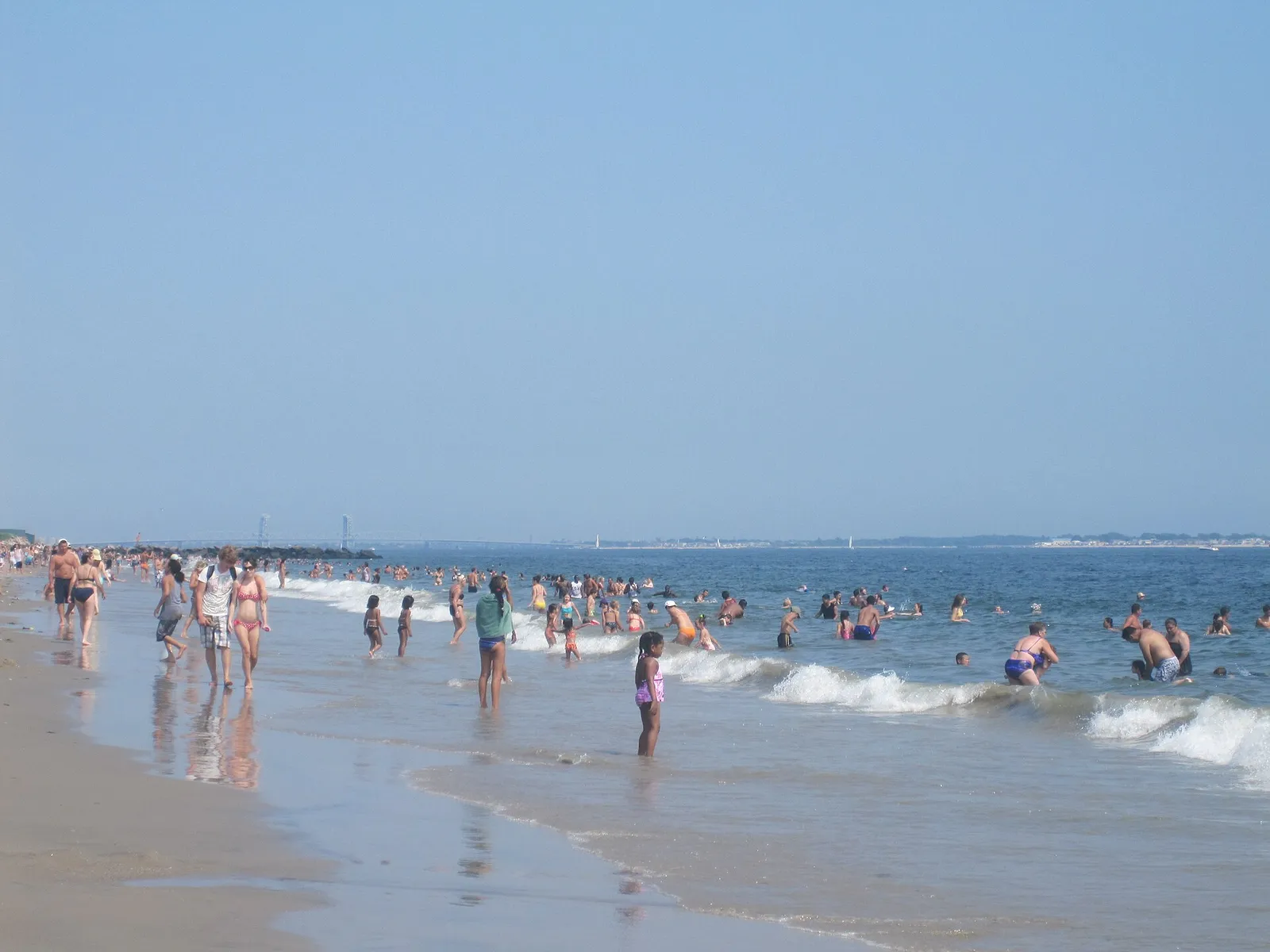



Every summer, as coastal waters warm, a familiar and frightening phrase resurfaces in the headlines: flesh-eating bacteria. The organism behind it is Vibrio vulnificus, and while serious infections are rare, they can be devastating — which is why health officials issue reminders as beach season peaks.
What it is
Vibrio vulnificus occurs naturally in warm, brackish and salt water, and it multiplies as water temperatures climb in summer, the CDC says. In its most severe form, it can cause necrotizing fasciitis — the rapid destruction of the flesh around a wound that gives the bacteria its grim nickname. About 1 in 5 people with a serious Vibrio vulnificus infection die, sometimes within a day or two, and some survivors require intensive care or amputations.
Where the risk is highest
The danger is concentrated in warm-water regions — the Gulf Coast and the Southeast, above all — not the colder Pacific. Florida, which tracks cases closely, has reported eight so far in 2026, WUSF reported; the state logged 33 cases and five deaths in 2025, and a much heavier 82 cases and 19 deaths in 2024. For Californians, the local ocean risk is comparatively low, but the warning is worth heeding by anyone traveling to warmer coasts for the holiday.
Who is most at risk, and how
Healthy people rarely become seriously ill. The gravest danger is to those with liver disease, diabetes, weakened immune systems or other chronic conditions. Infection happens two main ways: through an open wound — a cut, scrape, new tattoo or piercing — exposed to warm seawater, or by eating raw or undercooked shellfish, especially oysters, according to the CDC. A wound infection can worsen alarmingly fast, with swelling, pain and blistering within hours.
How to stay safe
The precautions are simple, the CDC advises:
- If you have a cut or open wound, stay out of salt or brackish water — or cover it with a waterproof bandage.
- If you get cut while in the water, get out and wash the wound with soap and clean water.
- If you're higher-risk, don't eat raw oysters or other raw shellfish; cook seafood thoroughly.
- Seek medical care quickly for a wound that becomes rapidly painful, swollen or discolored after water exposure — and tell the doctor about the exposure, because early antibiotics matter.
The odds of a healthy beachgoer contracting Vibrio remain low, and there's no reason to cancel a trip to the shore. But as summers warm, the bacteria is expected to remain a seasonal hazard — and a few small precautions are the best protection against a rare but serious infection.