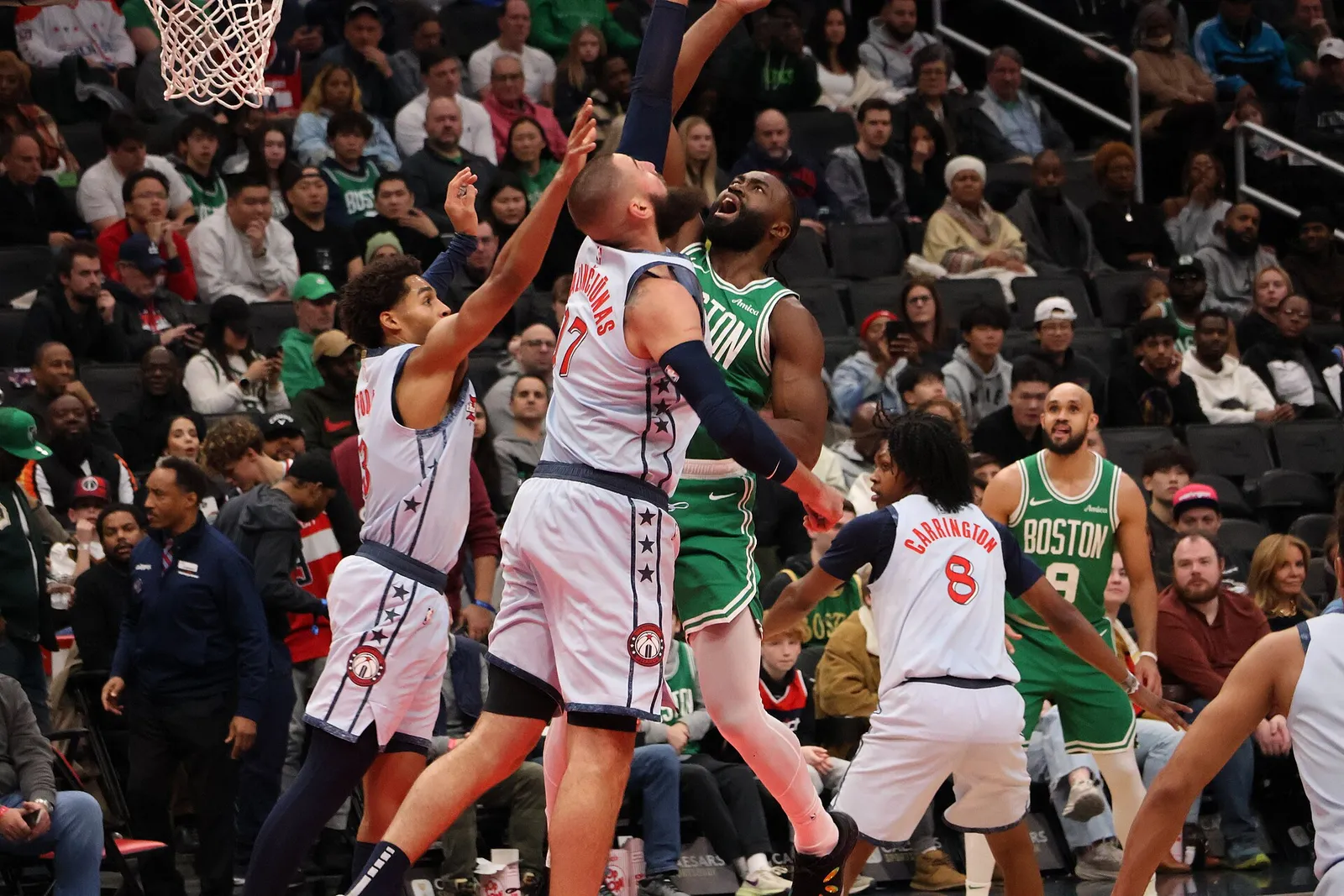
In an offseason already full of upheaval, the Boston Celtics delivered one of its biggest shocks: they traded Jaylen Brown, a homegrown star and the most valuable player of their 2024 championship run, to the Philadelphia 76ers.
The deal
Boston sent Brown to Philadelphia in exchange for veteran forward Paul George, two first-round picks (2028 and 2031) and two second-round picks, NBA.com reported. It is a startling trade on its face: Brown, 29, is an All-NBA-caliber wing entering the prime of his career and signed to a long-term maximum contract, while George is 36 and past his peak. The Celtics are, in effect, exchanging a cornerstone for an aging star and future assets.
Why Boston moved
The reported logic is financial. Boston has been operating deep into the NBA's punitive luxury-tax territory — the "second apron" that sharply limits a team's roster flexibility — and shedding a maximum salary eases that squeeze. The trade also followed a disappointing season: the 76ers eliminated the Celtics in the first round of the 2026 playoffs, and Brown had earlier been floated as the centerpiece of a Boston bid for Milwaukee's Giannis Antetokounmpo that did not come together, The Boston Globe reported. President of basketball operations Brad Stevens ultimately settled on Philadelphia's offer.
The backlash
Around the league, the reaction was harsh. Rival general managers and analysts questioned the value Boston got back, with one executive calling it "highway robbery" and others openly puzzled by the decision, as ESPN detailed in its coverage of the deal. The core complaint: a team rarely trades a 29-year-old star of Brown's caliber, and when it does, it usually commands far more than a 36-year-old and a package of picks.
What it means
For Philadelphia, the trade is a bet on winning now, adding a two-way star to a roster with championship ambitions. For Boston, it is a reset — a wager that salary relief and future draft capital will matter more than keeping an expensive core together, especially after a season that ended earlier than the franchise expected. Whether it looks shrewd or disastrous will hinge on how Brown ages, how George holds up at this stage of his career, and what the Celtics eventually do with the flexibility they bought. For now, one of the East's defining duos is broken up — and the conference has a new shape.