

The American job machine downshifted in June. Employers added about 57,000 jobs, the Labor Department reported, a figure that fell well short of forecasts and marked a clear slowdown from the spring, CNBC reported.
A big miss
Economists had generally expected payroll growth somewhere around 100,000 to 115,000 for the month, so June's 57,000 was a sizable disappointment. It also represented a steep drop from May, when the economy added a much stronger 172,000 jobs, according to CNBC's reporting on that month. The unemployment rate came in at 4.2%, little changed and still low by historical standards even as hiring cooled.
A single soft month does not by itself signal a downturn — payroll figures are volatile and often revised — but a reading this far below expectations tends to draw attention as a possible sign that the labor market is losing momentum.
Hollywood among the soft spots
The weakness was not evenly spread. Entertainment employment continued to decline in June, Deadline reported, extending a rough stretch for a sector that has shed jobs amid production pullbacks — a trend with direct consequences for Los Angeles, where film and television work is a pillar of the regional economy.
The Fed's dilemma
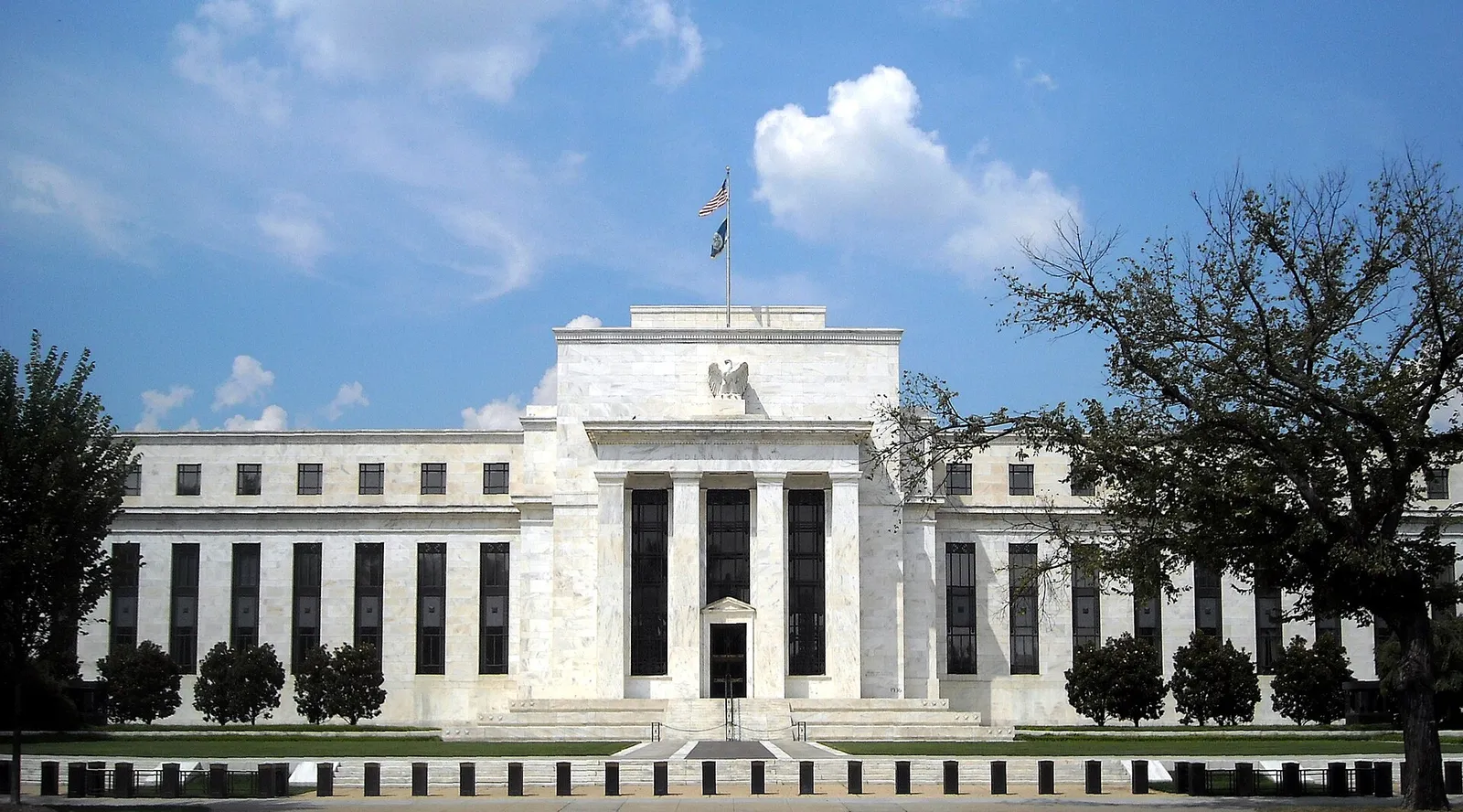
The report lands at an awkward moment for the Federal Reserve. Ordinarily, a weakening job market would strengthen the case for cutting interest rates to support growth. But Fed officials have continued to stress that inflation remains a concern, leaving the central bank caught between a softening labor market on one side and price pressures it does not want to reignite on the other. How policymakers weigh those competing risks in the months ahead will shape borrowing costs for households and businesses alike.
What to watch
For now, the June numbers add to a picture of an economy that is slowing without, so far, falling off a cliff. The coming months will show whether June was a blip or the start of a sustained cooldown — and revisions to this report, along with July's data, will help settle the question. Either way, after a long run of resilient hiring, the labor market has flashed a warning worth watching.