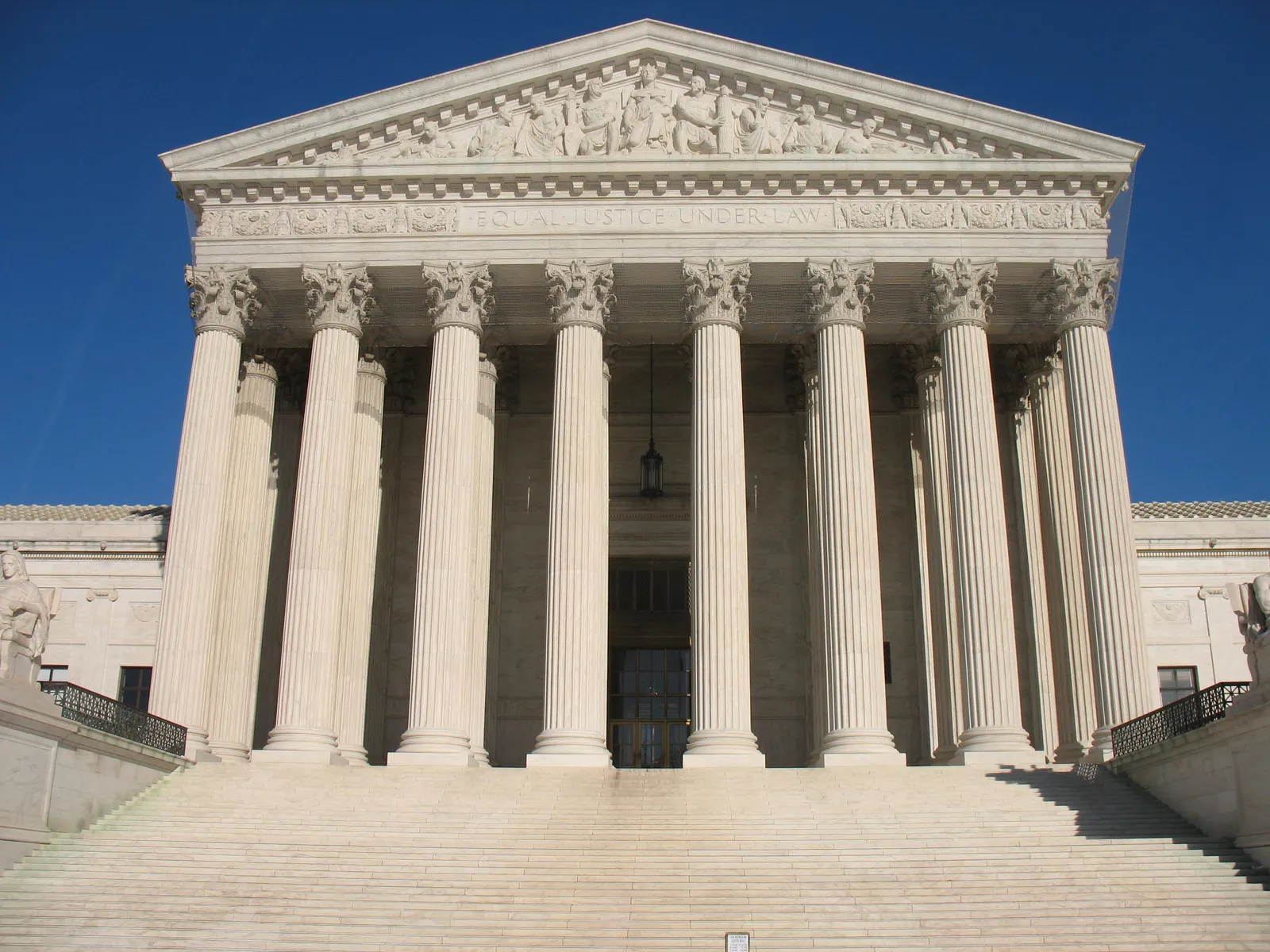


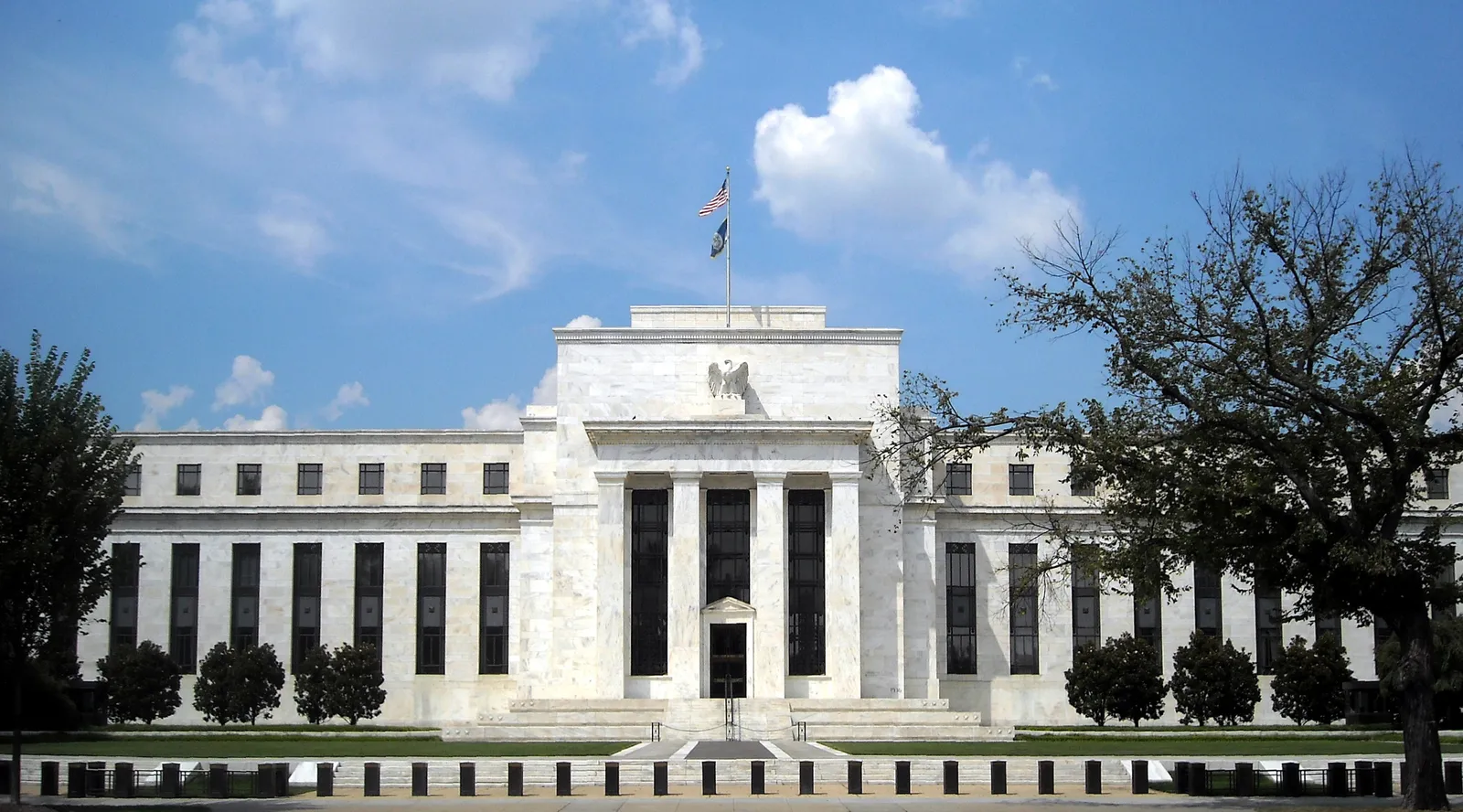
The Supreme Court on Monday remade the constitutional ground beneath every independent federal agency in Washington — and, in the same breath, drew a protective line around the Federal Reserve.
Two rulings, one chief justice
In Trump v. Slaughter, the Court ruled 6-3 that the president may fire Federal Trade Commission members — and, by extension, officials at a broad range of independent agencies — without cause, SCOTUSblog reported. The decision explicitly overruled Humphrey's Executor v. United States, the 1935 precedent that for nine decades shielded agency members from at-will removal. Chief Justice John Roberts wrote for the majority, embracing the "unitary executive" view that the Constitution gives the president full supervisory control over officials who wield executive power.
Hours later, in Trump v. Cook, the same chief justice wrote for a different five-justice majority and ruled the other way, holding that the for-cause protections Congress built around Federal Reserve governors cannot be collapsed into at-will employment, SCOTUSblog reported. Governor Lisa Cook, whom Trump had moved to remove, stays on the board — at least while litigation continues.
What the rulings do — and don't — settle
The two decisions are distinct and should not be conflated. Slaughter is a merits ruling: the statutory limits on removing FTC commissioners are unconstitutional, and Humphrey's Executor is no longer good law. The president can now remove members of similarly structured bodies for any reason, or none.
The Cook ruling is narrower. Roberts wrote that accepting the administration's position would "in effect transform the Federal Reserve's for-cause protection into at-will employment" — out of step, he said, with the statute Congress wrote and the tradition of insulating central banking from political pressure. The Court upheld an injunction keeping Cook in place; the deeper questions return to the lower courts. As NPR put it, Cook can stay "for now."
The dissents
Justice Sonia Sotomayor, joined by Justices Elena Kagan and Ketanji Brown Jackson, dissented in Slaughter, warning that the majority "distorts the structure of Government to fit" a theory of "unitary, total executive control" and leaves "a President who emerges with far greater power than ever before." In Cook, Justice Clarence Thomas dissented, arguing the majority had broken new ground by enjoining a presidential removal.
Why the Fed was treated differently
That Roberts authored both opinions reflects a deliberate effort to expand removal power broadly while fencing off the Fed. The Court pointed to Congress's design — governors serve staggered 14-year terms meant to keep monetary policy clear of the election cycle — as putting the central bank in a different constitutional category than the FTC.
The stakes
For Washington's regulatory machinery — the FTC, the National Labor Relations Board, the Consumer Product Safety Commission and others — the practical effect is immediate: members now have little statutory armor against removal, and the administration may install loyalists without meeting a legal threshold. Markets, which had watched the Cook fight warily on fears that a politicized Fed could be pressured to cut interest rates, took some reassurance from the carve-out. How far the Slaughter ruling ripples — and how lower courts handle the wave of removal challenges it unleashes — will shape administrative law for years.