


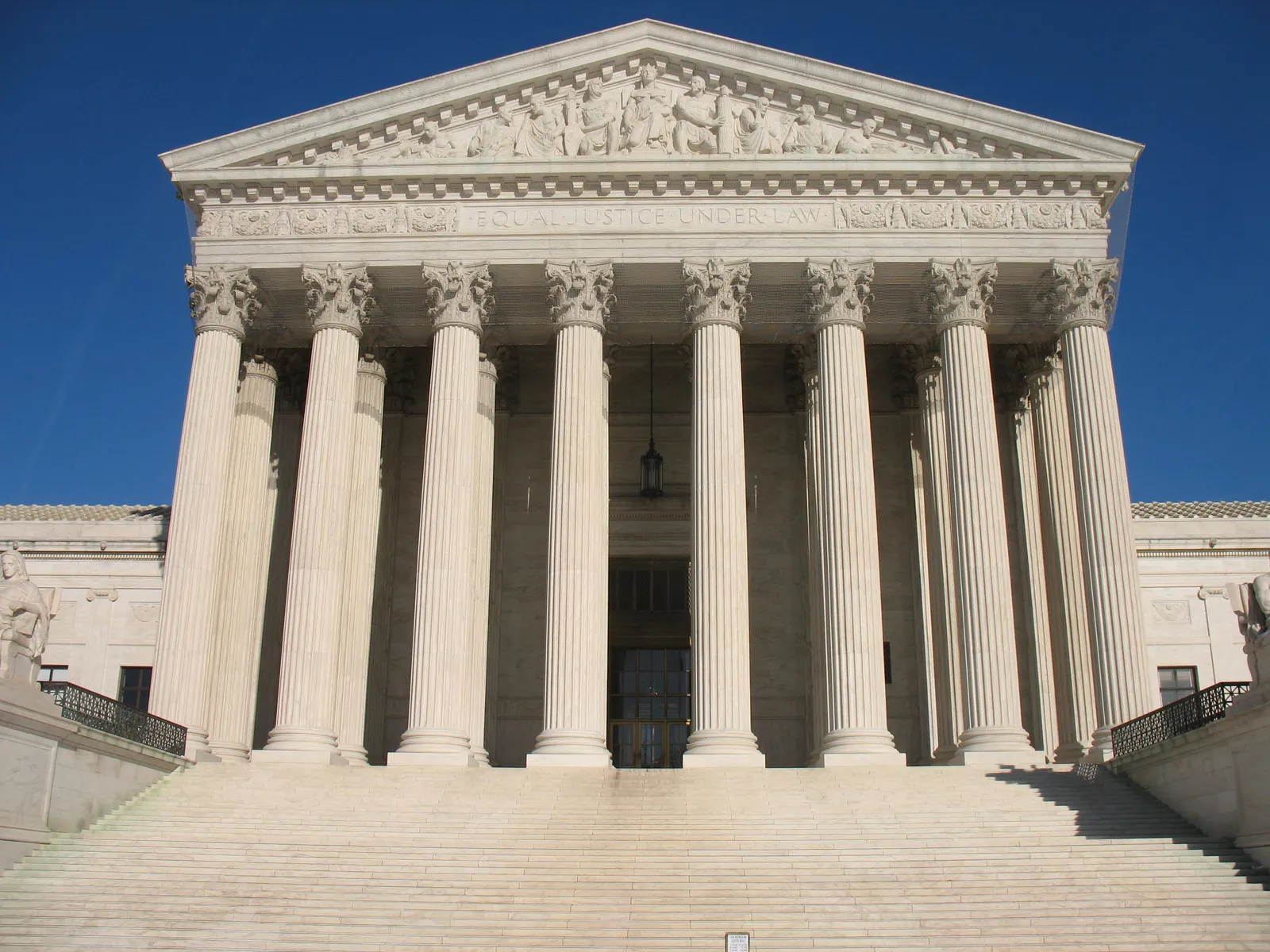
The Supreme Court on Monday preserved a common feature of American voting — the grace period for mail ballots — in a decision whose coalition of justices was as notable as its outcome.
A decisive win for grace-period states
In Watson v. Republican National Committee, the Court ruled 5-4 that federal election law does not require states to discard mail ballots that arrive after Election Day, so long as they were postmarked by then. The case turned on a Mississippi law allowing absentee ballots to be counted if they reach officials within five days of the election. The RNC, joined by state party organizations and individual voters, had argued that 19th-century statutes setting a single national Election Day require ballots to be physically received — not just postmarked — by that date.
The majority disagreed. "The election-day statutes do not set a deadline for ballot receipt," Justice Amy Coney Barrett wrote, "so they do not prevent Mississippi from counting ballots postmarked before election day yet received afterward." Barrett added that concerns about fraud, while "serious," must be "addressed through the democratic process" rather than by judicial rewriting of the statutes.
An unusual lineup
The 5-4 split did not follow the Court's usual ideological lines. Barrett, a Trump appointee, was joined by Chief Justice John Roberts and the three liberal justices — Sonia Sotomayor, Elena Kagan and Ketanji Brown Jackson. The dissent was led by Justice Samuel Alito, joined by the Court's three other conservatives, who warned the ruling "creates a serious risk of further undermining public confidence in our elections," NPR reported.
California's seven-day window stands
The decision lands squarely on California, which counts mail ballots postmarked by Election Day if they arrive within seven days — a rule that routinely delays final results for more than a week and has drawn Republican criticism. Monday's ruling leaves that system untouched. A decision for the RNC, by contrast, could have forced California and other states to overhaul ballot-processing rules just months before November.
A broader reprieve
The ruling protects similar grace-period laws in at least 14 states and the District of Columbia, along with laws in many more states that extend deadlines specifically for military and overseas voters. Had the plaintiffs prevailed, election officials in those states would have faced a scramble to pass emergency fixes or risk disqualifying large numbers of timely-cast ballots — an outcome voting-rights groups said would have fallen hardest on rural voters and service members.
Congress retains the power to amend the federal Election Day statutes, and Republican groups did not say whether they would seek a legislative change. For now, the rules that governed the 2024 election will hold for 2026 — a result California election administrators said they welcomed.