

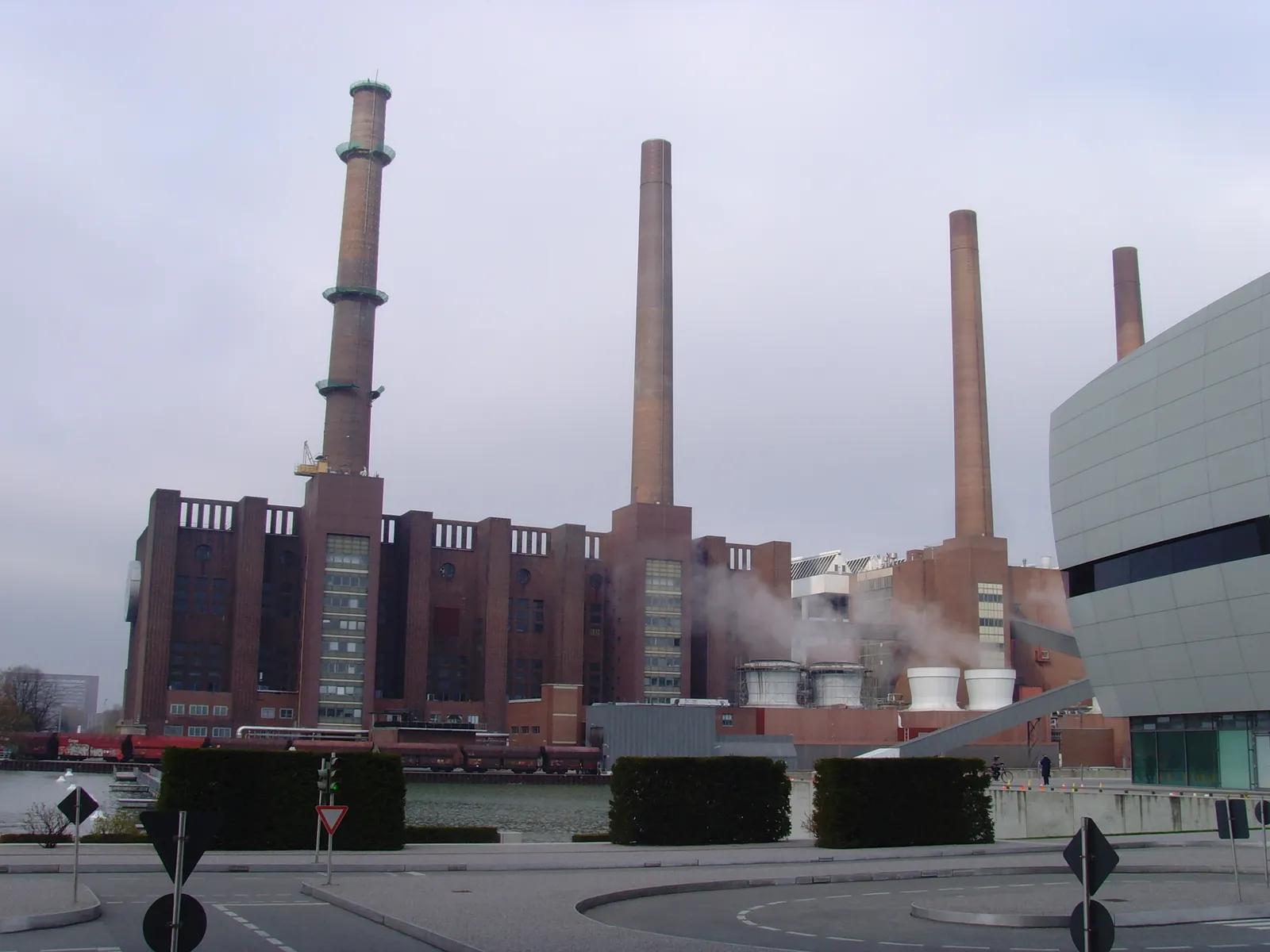
Europe's largest automaker is staring at the deepest overhaul in its history — and its share price shows investors are bracing for it.
A stock at multi-year lows
Volkswagen's preferred shares slid to their lowest level in more than 15 years, MarketWatch reported, having shed roughly a quarter of their value this year as investors grow skeptical that management can engineer a turnaround. The selloff intensified after German and international outlets reported a radical restructuring plan under Chief Executive Oliver Blume.
What the reports describe
According to reporting by Bloomberg and Euronews, Blume's reported plan would cut as many as 100,000 of the group's roughly 657,000 jobs worldwide — about 15 percent of the workforce — and close several German plants, while separating some operations to create a leaner structure. Volkswagen has not confirmed the specifics, saying only that it "must undergo profound change" and that its board is working on a plan to be presented to the supervisory board next month. The figures should be treated as reported, not confirmed.
The scale is striking because VW thought it had already acted: in late 2024 it agreed with unions to cut roughly 35,000 German jobs by 2030 and closed a Dresden plant — the first VW factory closure in the company's history. But first-quarter 2026 results showed profit sliding sharply, suggesting those measures had not stemmed the losses.
China, EVs and tariffs close in
The pressures are structural. China, long VW's largest and most profitable market, has turned into its biggest headache as homegrown rivals led by BYD overwhelm legacy brands that were slow to electrify; VW's Chinese electric-vehicle sales and margins have fallen sharply. Beyond China, U.S. tariffs on imported vehicles have raised costs, and European demand remains weak, leaving the continent's factories running well below capacity.
A wider European reckoning
Volkswagen is not alone — Ford and Stellantis have also announced European cuts and closures, and industry leaders have warned of an "irreversible decline" without action. But VW's stakes are uniquely high: the company is the economic backbone of entire German cities, and under Germany's co-determination law, unions hold half the seats on its supervisory board, meaning any plan to close factories faces a long and difficult negotiation before a single gate shuts.
Markets, for now, are not waiting to find out how that fight ends.