


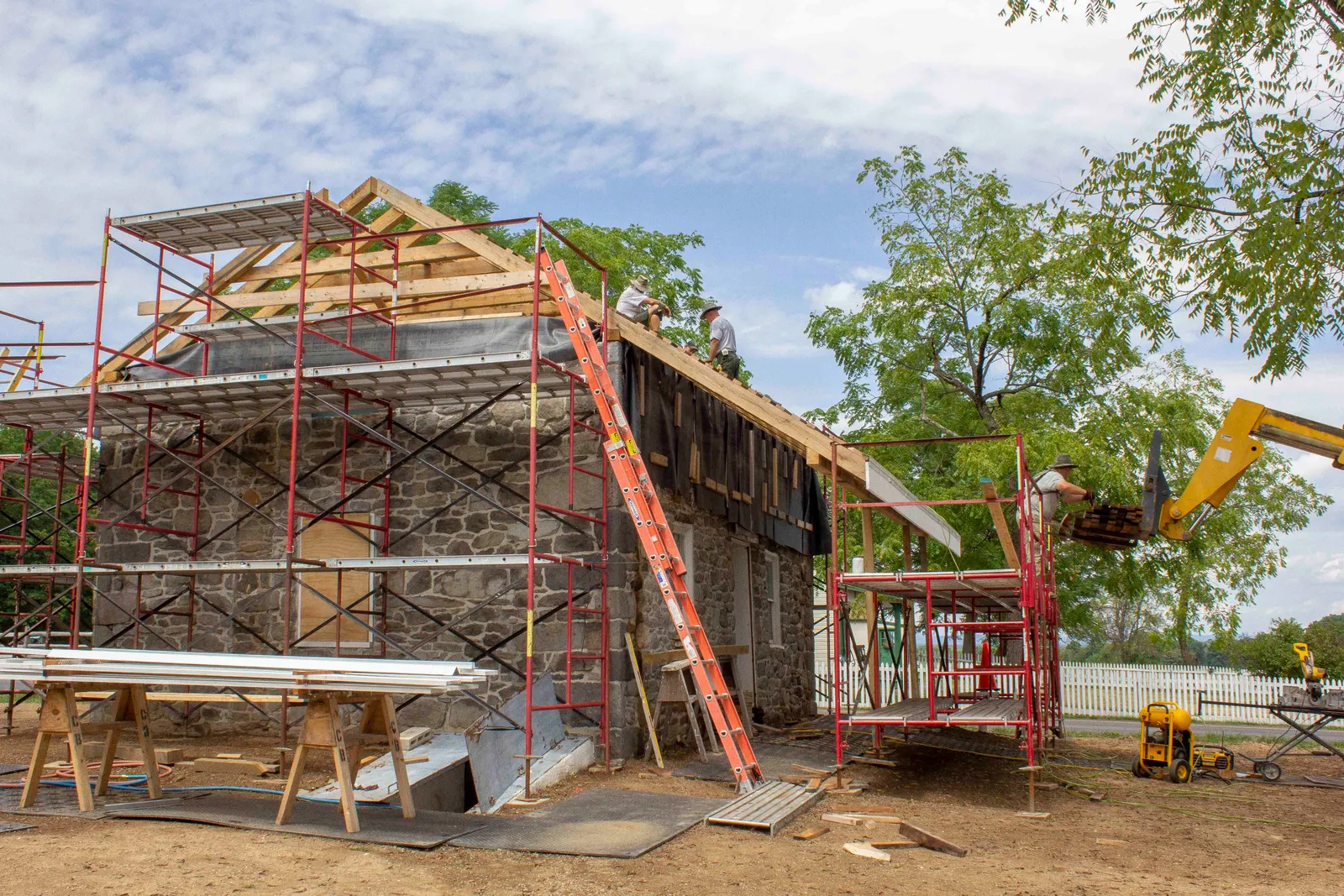
A change in federal mortgage rules that was sold as an affordability measure could leave many homeowners thousands of dollars short the next time a storm tears off their shingles.
The rule change
In March, the Federal Housing Finance Agency announced that Fannie Mae and Freddie Mac — which back most U.S. mortgages — would no longer require homeowners to carry full replacement-cost insurance on their roofs. Lenders can now accept policies that pay only "actual cash value" (ACV): the depreciated worth of an aging roof at the time of loss, not what a new one costs. The move reversed a 2024 rule that had mandated replacement-cost coverage. FHFA framed it as an affordability win that would lower premiums; the timing, three months before peak hurricane season, alarmed consumer advocates.
What it means for your wallet
The gap can be large. The National Association of Insurance Commissioners offers a stark example: on a $15,000 roof claim, a replacement-cost policyholder collects $14,000 after a $1,000 deductible, while an actual-cash-value policyholder — after $10,000 is subtracted for depreciation and the deductible applied — gets just $4,000, leaving $11,000 out of pocket. Roof replacement nationally runs from about $5,000 to $30,000 or more. ACV policies do cost less — roughly 10 to 20 percent lower premiums, by industry estimates — but advocates note those savings vanish the moment a major storm hits.
A trend the rule accelerated
The shift predates the rule. For years, insurers facing climate-driven losses have rewritten policies to limit roof coverage — commonly switching any roof older than 10 years to ACV at renewal, sometimes with little notice, and adding separate wind-and-hail deductibles set as a percentage of a home's value. On a $300,000 home, a 2 percent wind-hail deductible means $6,000 out of pocket before coverage kicks in. Insurers cite soaring repair costs after big storms, more frequent severe weather, and contractor fraud.
Two sides
Industry groups welcomed the change. The National Association of Mutual Insurance Companies said the old replacement-cost mandate had functioned as a "de facto regulation" that squeezed out affordable options, and other insurers said the reversal would improve coverage availability in markets where carriers have pulled back. Insurers also point to tens of billions in recent weather-related claims as justification for tighter underwriting.
Consumer advocates counter that many homeowners won't know they've been moved to ACV until a storm makes it painfully clear. Amy Bach of United Policyholders warns that agents have little incentive to push pricier full-coverage endorsements, and that the change will hit owners of older, lower-value homes hardest.
What to check before the next storm
Advocates and regulators offer a short checklist: read your policy's declarations page for the words "actual cash value" on roof or wind/hail coverage; check whether your wind/hail deductible is a flat dollar figure or a percentage of your home's value; ask your insurer about a replacement-cost endorsement; and keep dated photos of your roof, since its condition affects depreciation at claim time. FHFA called the rule a cost-cutter — whether it saves you money may come down to whether the next hailstorm misses your ZIP code.