

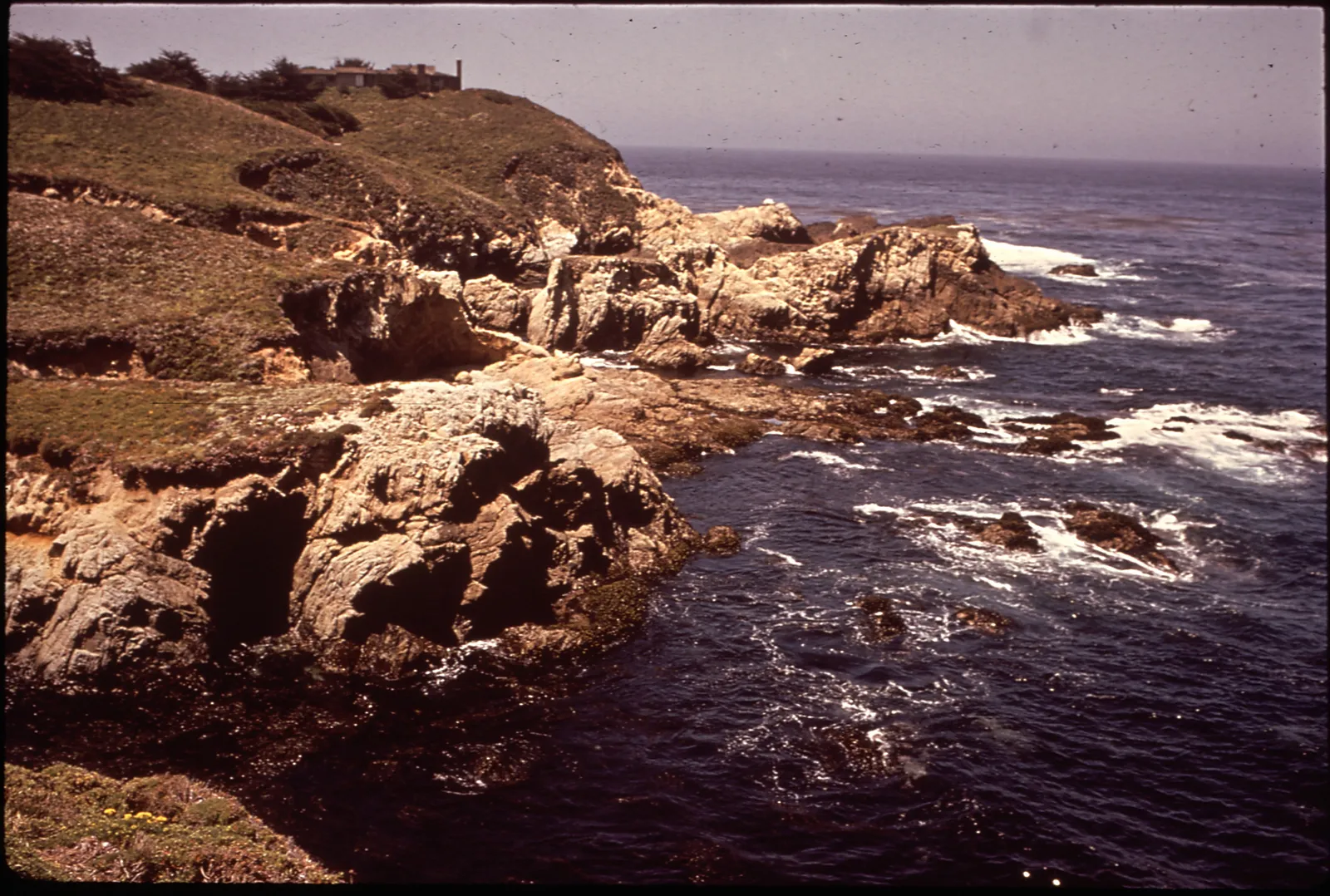
The waters off Monterey are again carrying an invisible hazard — and state officials have moved to keep it out of the food supply.
The ban
The California Department of Fish and Wildlife has prohibited commercial fishing of northern anchovy and Pacific sardine intended for people across Monterey Bay — from Pigeon Point in San Mateo County south to Point Lobos in Monterey County — after samples confirmed elevated domoic acid in both species. A parallel advisory urges the public not to eat anchovies or sardines caught recreationally in the zone. The fish may still be taken for bait, but any dead bait sold must be labeled unfit for human or pet consumption.
What domoic acid is
Domoic acid is a neurotoxin produced by microscopic marine diatoms — chiefly Pseudo-nitzschia — during harmful algal blooms. Small forage fish such as anchovies and sardines feed on the algae and accumulate the toxin without appearing sick, so contaminated fish look identical to safe ones. Crucially, cooking does not destroy it. At lower doses the toxin causes nausea, vomiting and dizziness; at higher doses it can cause "amnesic shellfish poisoning," with seizures, permanent short-term memory loss, and in extreme cases death, the California Department of Public Health warns. The elderly, pregnant women and young children face the greatest risk. Anyone who develops neurological symptoms after eating fish from the area should seek emergency care.
A recurring threat
This is not an isolated event. Scientists describe recent years as among the worst on record for California harmful algal blooms — a trend tied to warming ocean temperatures, strong upwelling and nutrient runoff that favor Pseudo-nitzschia growth. Researchers at UC Santa Cruz have documented that successive Monterey Bay blooms can reach similar toxin concentrations through strikingly different ocean conditions, complicating efforts to predict them.
The toll on wildlife
Marine mammals bear much of the cost. Because sea lions, dolphins and seabirds eat large quantities of contaminated forage fish, they take in concentrated doses; NOAA Fisheries reports that poisoned sea lions suffer seizures, disorientation and brain damage, and many die before rescuers can reach them. Rescue groups treated large numbers of stricken animals during the most recent bloom season. The public is urged to keep well clear of stranded or seizing sea lions — the toxin can make them aggressive — and to call the regional marine-mammal stranding network rather than approach.
What officials advise
State agencies stress that no amount of cooking neutralizes the toxin and that residents should avoid anchovies and sardines from the advisory zone until the restriction lifts — which happens only after toxin levels fall below the federal threshold in repeated samples. For current closures, the CDPH maintains a Shellfish Biotoxin Information Line at (800) 553-4133.