If you look southeast after sunset Monday, you'll catch a low, amber-tinged full moon — the Strawberry Moon, the first of summer and, this year, a quietly modest one.
Why June's moon gets a berry name
Each month's full moon carries a name that once doubled as a calendar. June's comes from the Algonquin peoples of the northeastern woodlands, who called it the Strawberry Moon to mark the brief window when wild strawberries ripened, ABC7 reports. Other nations had their own labels — the Western Abenaki "hoer moon," the Anishinaabe "blooming moon" — while European tradition gave June the Rose Moon and the Honey Moon, the latter tied to the month's association with weddings.
The 2026 Strawberry Moon reaches peak illumination Monday afternoon Pacific time, ABC7 reports — which means the best view in Los Angeles comes a little later, at moonrise around sunset, when the moon climbs the southeastern sky draped in the warm tones the atmosphere lends anything near the horizon.
What's different this year
Don't expect a giant supermoon. The 2026 Strawberry Moon is a micromoon — among the smallest full moons of the year — because it occurs near apogee, the point in the moon's orbit farthest from Earth. The difference is subtle to the naked eye, but it does mean the moon won't loom as large as a perigee supermoon.
It will, however, ride unusually low. Falling opposite a high summer sun, June's full moon traces the lowest arc of any full moon all year in the Northern Hemisphere — rising in the southeast, swinging across the southern sky, and setting in the southwest. For Southern California, a low moon is a feature, not a bug: seen against a skyline, hillside or the Pacific, it looks far more dramatic than one straight overhead.
Where to watch in Los Angeles
NASA's advice is simple — find a dark spot with a clear view and few obstructions. In practical L.A. terms:
- Griffith Observatory and the Los Feliz hills offer an open southeastern horizon.
- The Malibu coast along PCH puts the rising moon over open water.
- Elysian Park and Kenneth Hahn State Recreation Area sit high enough to clear the tree line to the south.
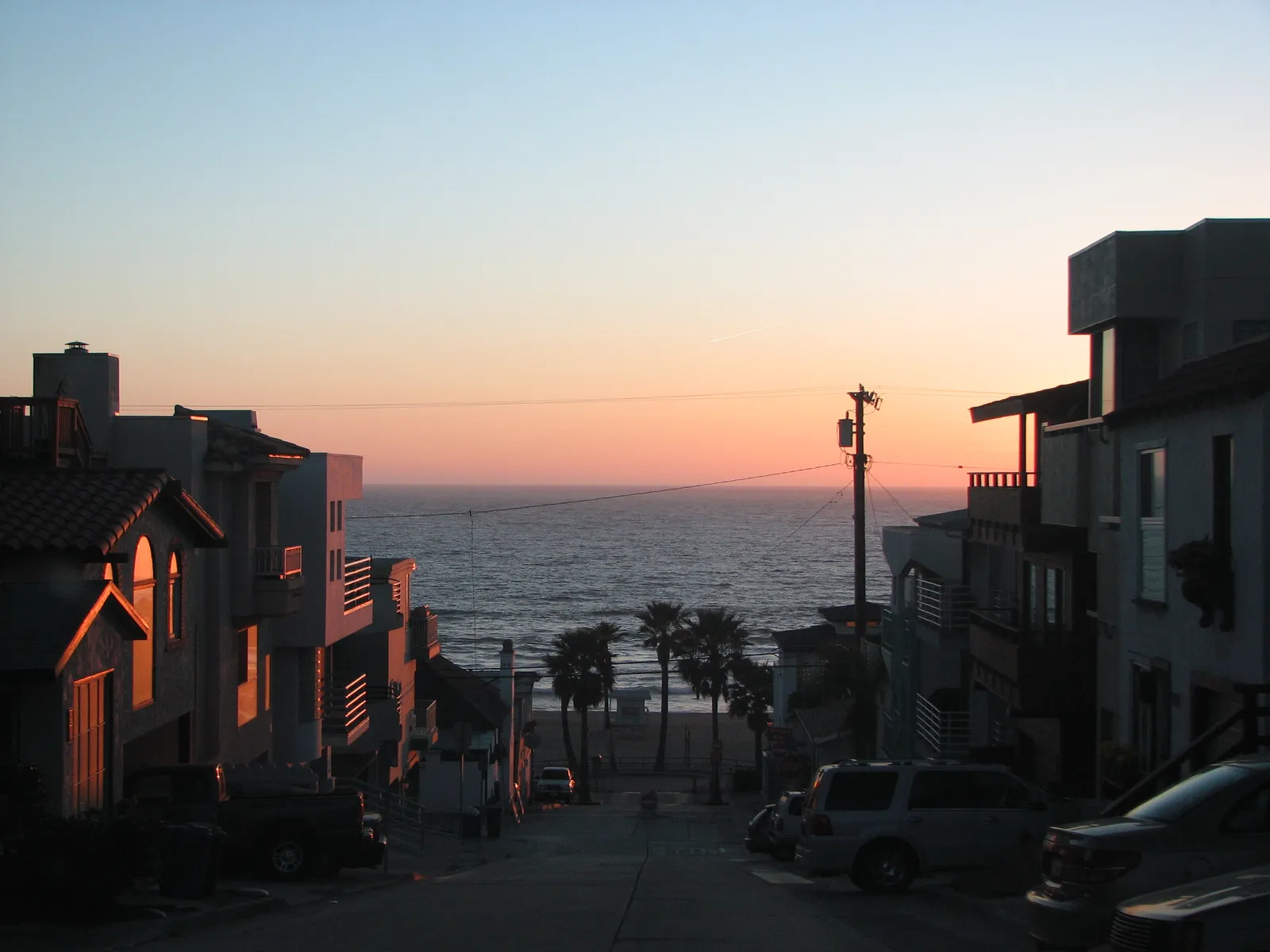
- The Manhattan Beach Pier or any south-facing beach gives a sea-level vantage where the "moon illusion" makes it look larger near the horizon.
A little marine layer or haze on the horizon can deepen the moon's amber and rose hues, so be patient if it's slow to clear. Face southeast around sunset, give it a few minutes, and let the oldest calendar in human history do its work.