The first weekend of August arrives hot. An extreme heat warning from the National Weather Service takes effect at 10 a.m. Friday and runs through Sunday evening across nearly the entire region, with Saturday the peak day.
What the forecast actually says
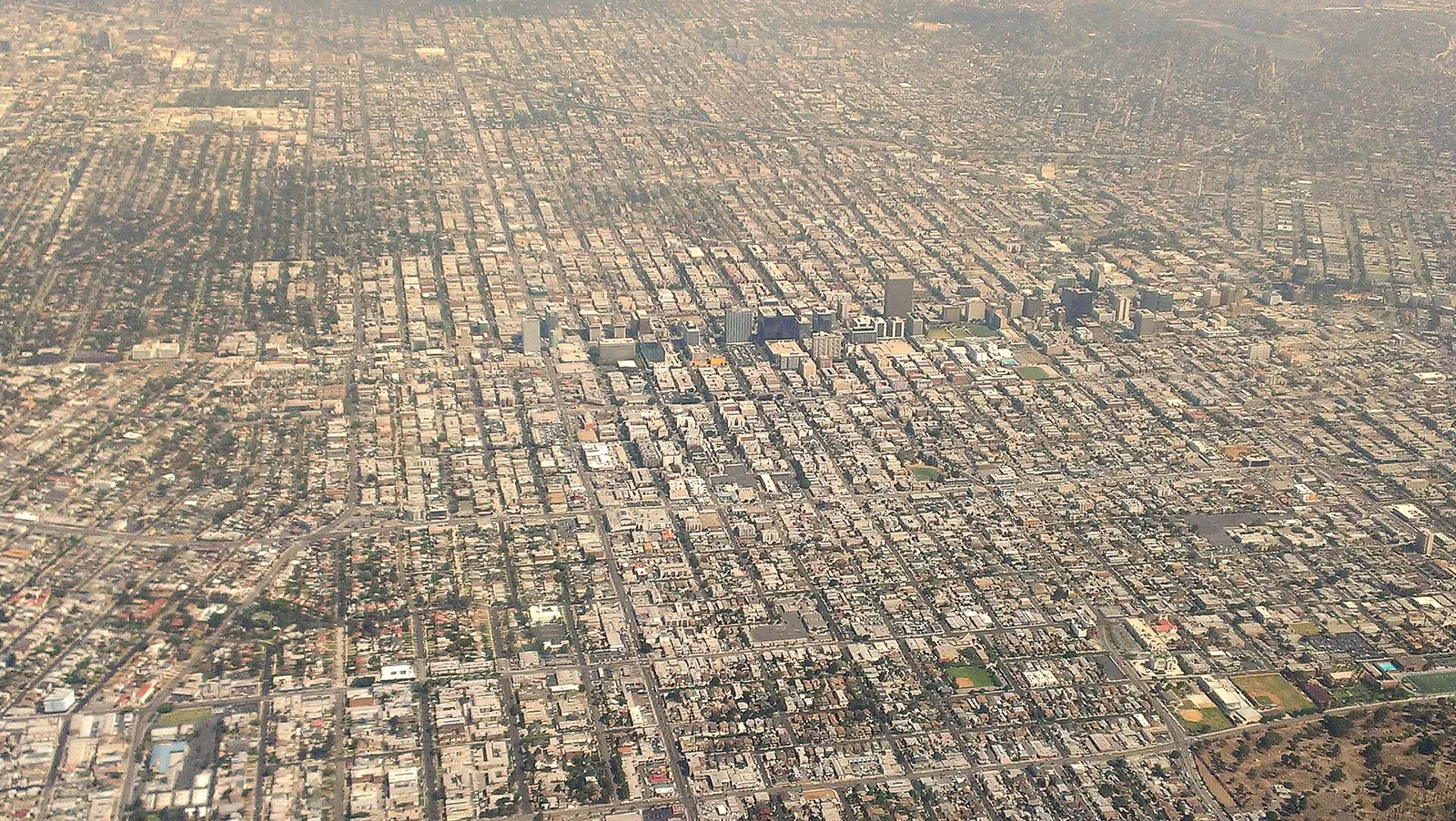
The San Fernando Valley, the San Gabriel Valley and the Inland Empire are forecast to go well past 100 degrees. Downtown Los Angeles and the intermediate coastal areas land in the upper 80s to mid-90s. The immediate coast stays mostly in the 80s, which sounds mild until you factor in the humidity: ocean temperatures are elevated, and the moisture is expected to make coastal air feel heavier than the thermometer suggests. Dense fog is possible along the coast Friday morning before it burns off.
On Saturday, forecasters expect highs to come within a degree or two of daily records.
The other hazards this weekend
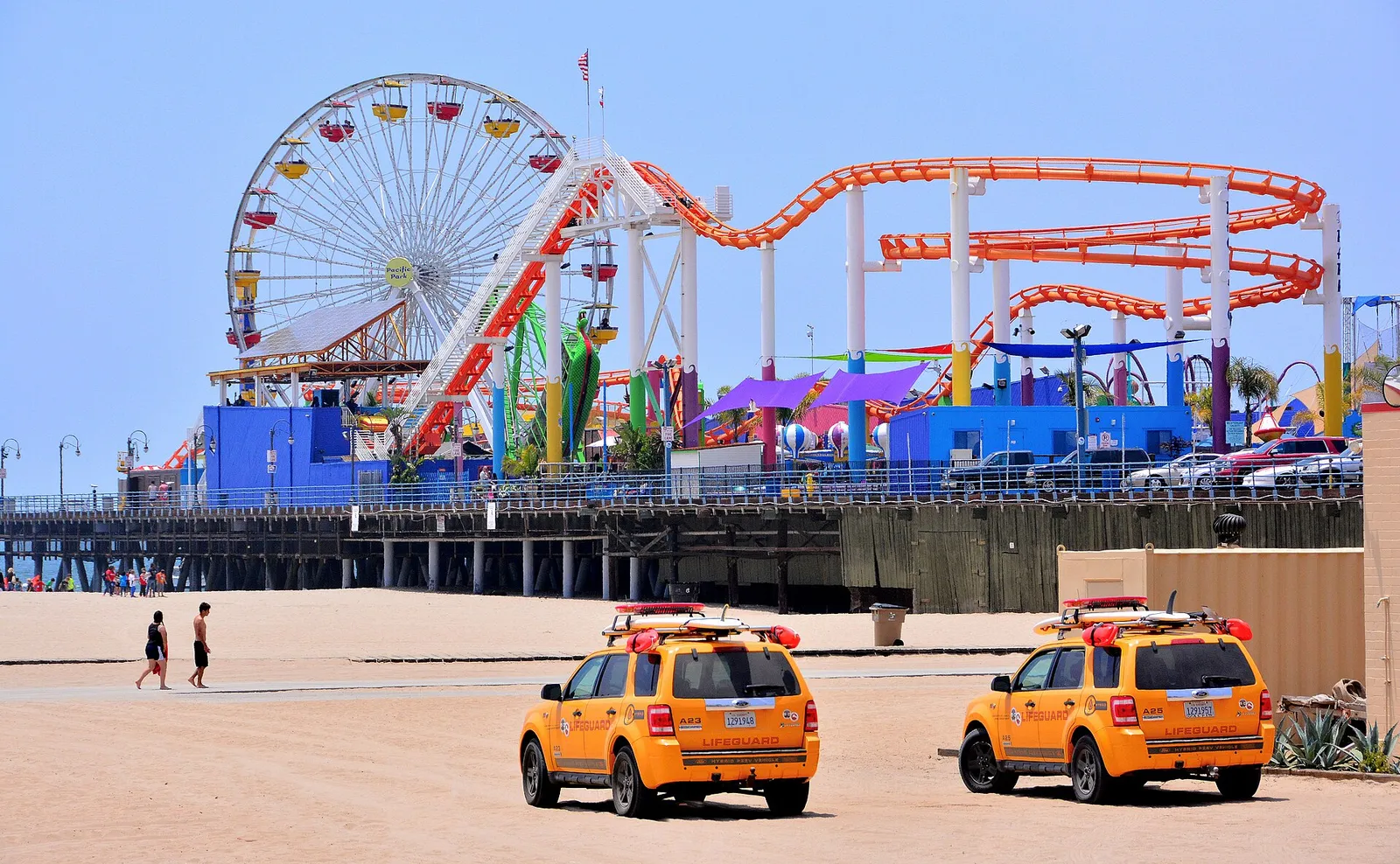
Heat is not the only thing in the forecast, and the rest of it matters if your plan for a hot Saturday is the beach.
- High surf. An advisory runs through Saturday afternoon. Large breaking waves and strong rip currents are expected, and south-facing beaches are the most exposed.
- Coastal flooding. An advisory covers the Southern California coastline and the Channel Islands through Saturday, with flooding likely around high tide in low-lying beach areas, walkways and parking lots.
- Fire danger. Inland, where humidity is lower, the risk is elevated. Wind gusts to 45 mph are expected, strongest along Interstate 5 near the Grapevine and in southwestern Santa Barbara County.
Who is most at risk
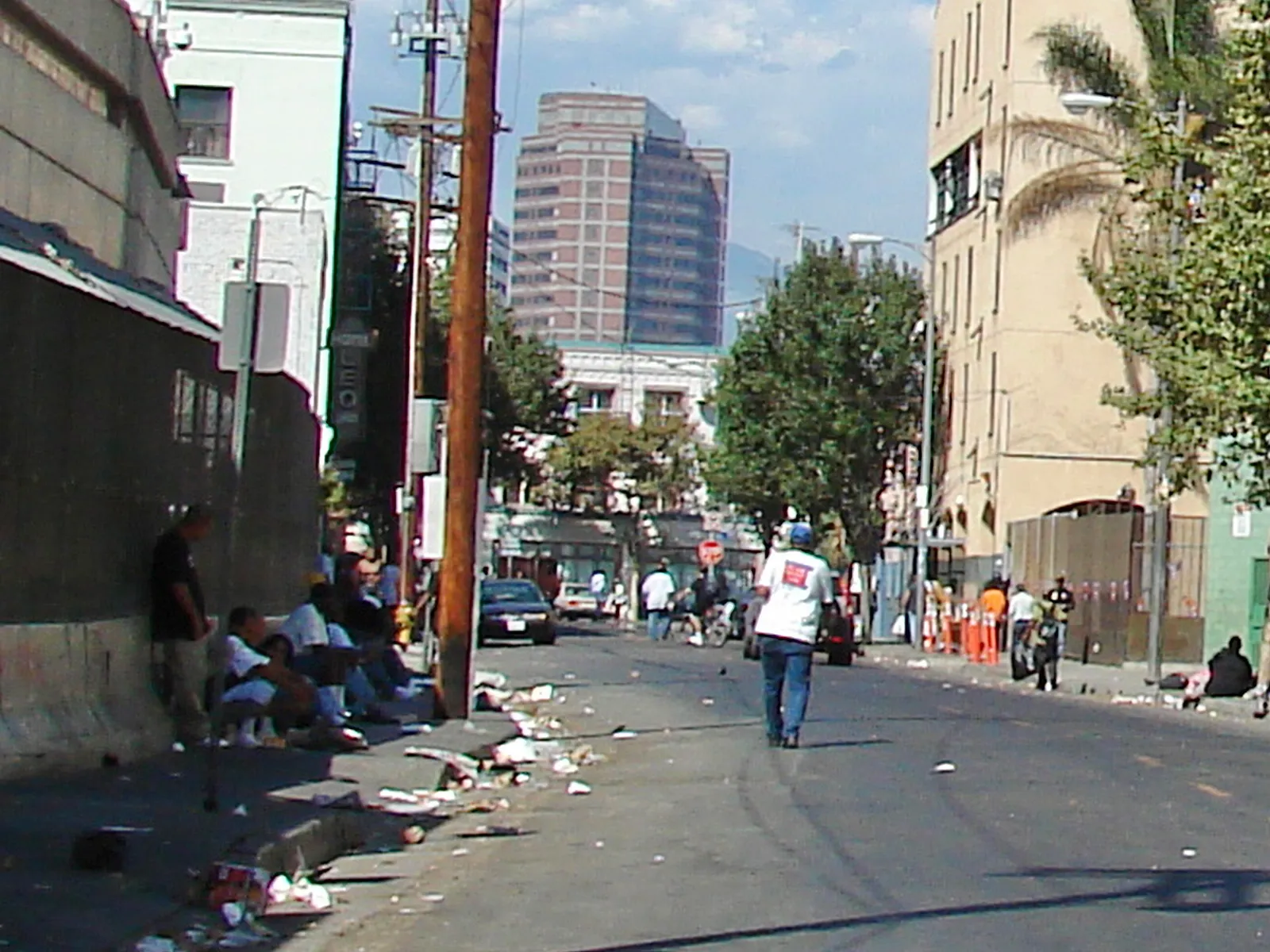
Officials consistently name the same groups: people over 65, young children, outdoor workers, people with chronic medical conditions, and anyone without air conditioning. The risk in Los Angeles is less about the daytime peak than about how little the temperature falls overnight, which is when bodies would normally recover.
Cooling centers and what to do
Los Angeles County opens cooling centers during heat events at libraries, recreation centers and other public buildings. They are free, and they have air conditioning, restrooms and drinking water.
- Find locations at ready.lacounty.gov/heat, or call 2-1-1 anywhere in Los Angeles County, at any hour.
- Within the city of Los Angeles, call 3-1-1 or see the city's heat page.
The rest is the standard guidance, which is standard because it works: drink water steadily rather than waiting until you are thirsty, and skip the alcohol and heavy caffeine. Move anything strenuous to early morning. Wear loose, light-colored clothing. Never leave a child or a pet in a parked car, where the interior climbs far past the outside temperature within minutes. Walk dogs early or late, not in the middle of the day, and check the pavement with your hand first. Check on older neighbors and relatives, particularly anyone living alone without air conditioning.
Know the difference between the two heat illnesses. Heat exhaustion looks like heavy sweating, cold or clammy skin, weakness, cramps, headache, dizziness and nausea; move the person somewhere cool and give them water. Heat stroke is the emergency: a body temperature above about 103 degrees, skin that is hot and often dry, confusion, a rapid pulse, fainting. Call 911.