

China's official manufacturing purchasing managers' index fell to 49.2 in July from 50.3 in June, the National Bureau of Statistics reported Friday. The reading snapped four straight months of expansion and was the weakest since February.
The 50 mark is the line: above it, more surveyed manufacturers report improving conditions than deteriorating ones, and below it the balance flips. A single month's move from 50.3 to 49.2 is not a collapse, but it is a move in the wrong direction from a level that was already thin.
It was also worse than expected. A Reuters poll of 31 economists had forecast the index would land exactly at 50.0, that is, stalled rather than shrinking.
What appears to be happening
The reading is being read as the unwinding of a pull-forward. Chinese exporters spent the second quarter shipping ahead of anticipated U.S. tariff increases, and that front-loading flattered the spring numbers. Once the deadline passes, the orders that were going to be placed in the third quarter have already been placed in the second. The rebound borrowed from the months that follow it.
Underneath that, the domestic side of the Chinese economy has not been carrying much weight. Household demand has stayed cautious, and the property sector continues to drag on both construction activity and consumer confidence. The manufacturers benefiting most have been those selling into global demand for semiconductors and AI hardware, which is a narrow base on which to rest a national index.
Why Los Angeles should care
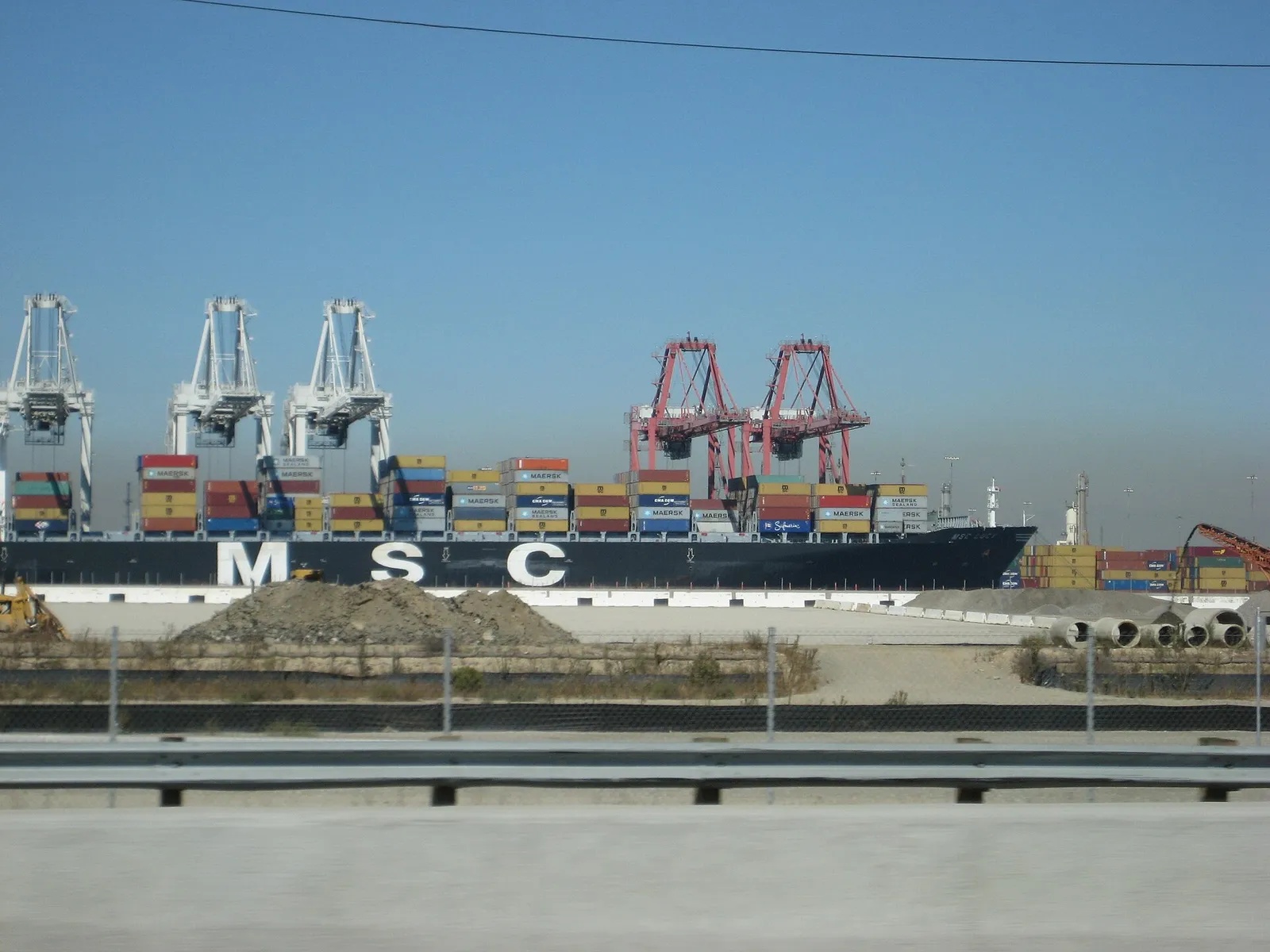
The San Pedro Bay ports are the most direct transmission line between Chinese factory output and the Southern California economy, and they have already been absorbing a structural change rather than a cyclical one.
CNBC reported in February that the Port of Los Angeles was forecasting a decline in container volumes for 2026, and that China's share of the port's containerized imports has fallen sharply from its 2020 level as retailers moved sourcing to Vietnam, Thailand and Indonesia. That shift is tariff-driven and has been under way for several years.
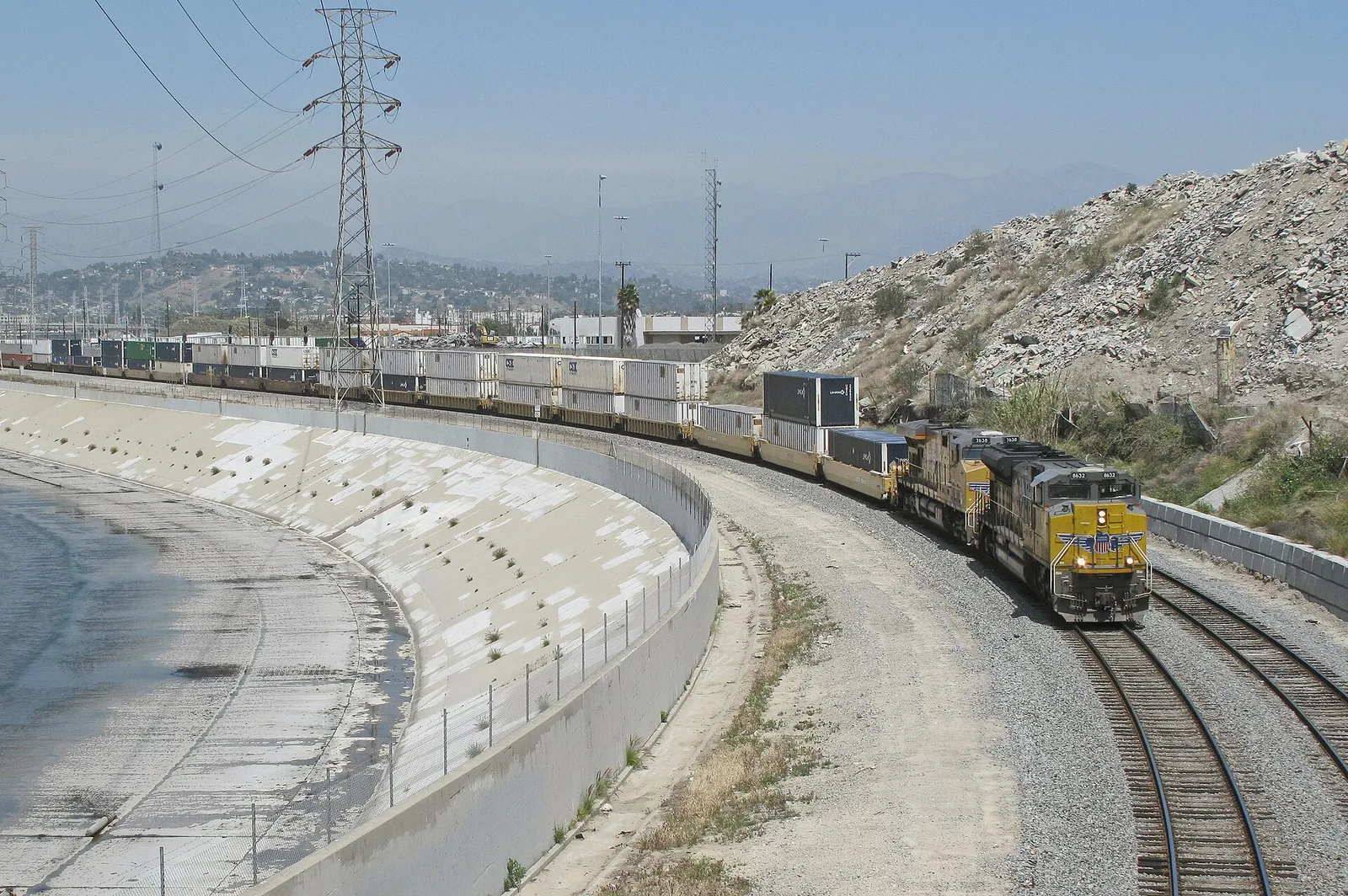
A weak month in Chinese factory activity matters here less because it changes that trajectory than because of who is downstream of the volumes: longshore work at Los Angeles and Long Beach, warehousing across the Inland Empire, and the trucking and rail that moves boxes out of the basin. Those jobs track container counts, and container counts track exactly the orders this index is measuring.
What to watch
One month does not establish a trend, and Beijing has room to respond. The question is whether the government treats 49.2 as noise or as the signal to move on stimulus, and whether the August figures show the export pull-forward working through or something more persistent underneath it.