For most of two years, one of the fixtures of the Los Angeles film calendar simply did not happen. Outfest, the LGBTQ+ festival that has been part of the city's cinema culture for more than four decades, went dark after its finances gave way. It has now come back, in a form deliberately smaller than the one that failed.
How it came apart
The collapse was fast and public. In 2023 the organization's staff moved to unionize; layoffs followed, along with the departure of its executive director and a lawsuit brought by its former leader. The annual Legacy Awards gala was postponed, then programming stopped altogether. The Hollywood Reporter, tracking the aftermath, described an organization rebuilding from the brink with a new board and rehired staff.
Outfest was not alone in its exposure. Arts nonprofits across the country have been squeezed between rising costs, softer corporate sponsorship and a philanthropic pool in which arts and culture has never held more than a small share. A festival built on identity-based programming, in a year when several corporate sponsors were quietly pulling back from that programming, had unusually little cushion.
The return
The comeback started modestly and on purpose. Outfest brought back Christopher Racster, who ran the organization from 2015 to 2019, first to assess whether it could continue at all and then as interim executive director. HBO Max, a longtime sponsor, agreed to present a scaled-back edition.
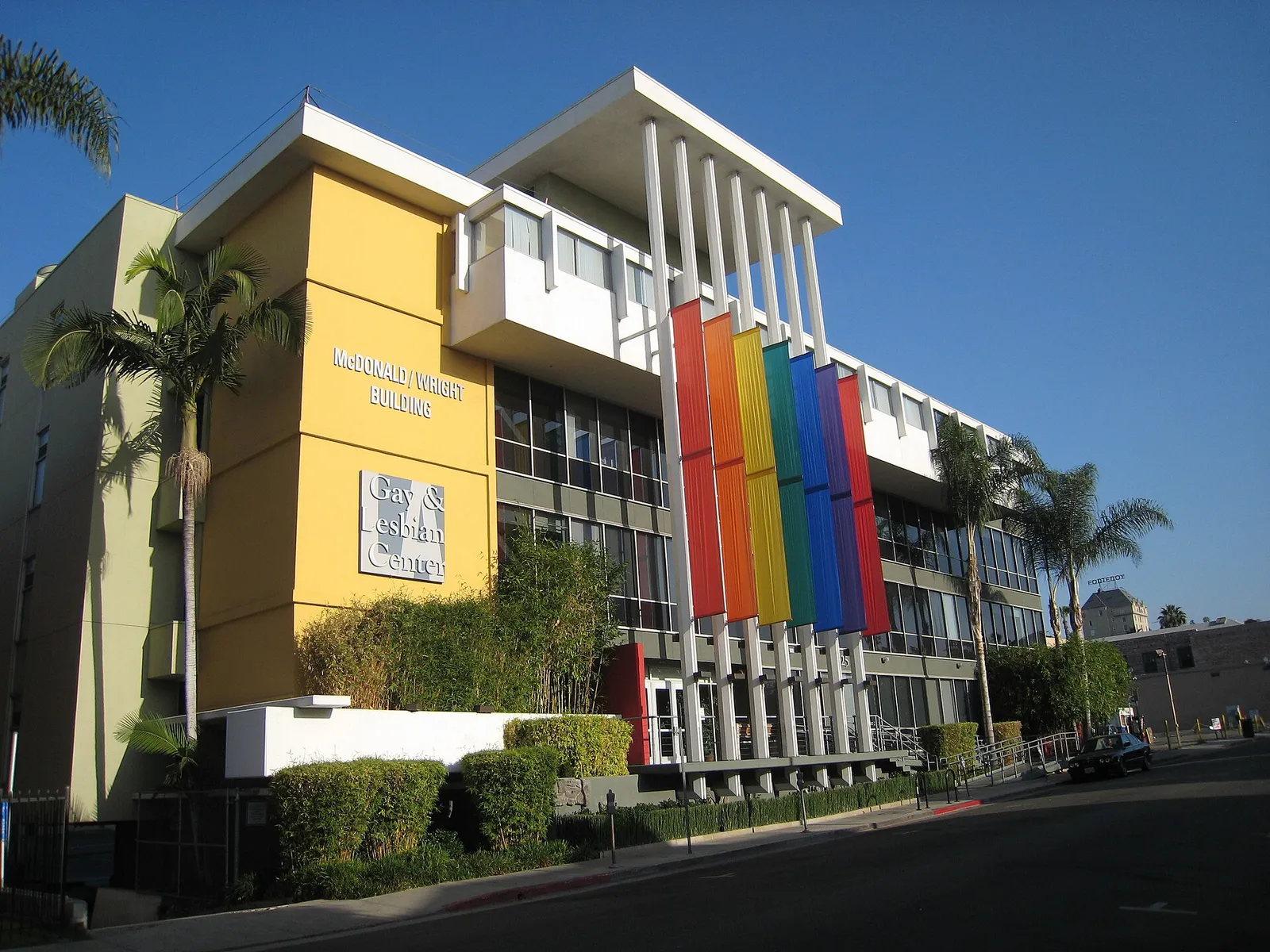
The result was OutfestNEXT, announced as a four-day event and staged this month at the Los Angeles LGBT Center's Renberg Theater and Micro Cinema, running July 23 to 26 with roughly 20 films: features, shorts programs and archival screenings rather than a sprawling premieres market. The Los Angeles Blade's account of the weekend describes a festival trading scale for intimacy.
Racster has been direct about where the organization stands financially. "We're not rolling in millions. I wish we were," he said. "But we're doing okay in terms of money. There's money in the bank to put on our programming. There's money in reserves."
What is unresolved
Two questions sit under the relaunch. The first is structural: an event underwritten largely by a single streaming partner is stable only as long as that partner's priorities hold. Outfest's older model, dozens of venues and hundreds of titles, was expensive but spread its risk across many sponsors, ticket buyers and donors.
The second is what the festival is for now. Outfest began with UCLA students who wanted to see films that were not being screened anywhere else, and grew into an institution that could launch a queer feature into a distribution conversation. A 20-film program in one theater serves an audience well. Whether it still functions as a launching pad for filmmakers, which is the part of the mission that made Outfest matter beyond its own attendance figures, is something only the next few editions will answer.
The organization has signaled it intends to bring back its main summer festival and Outfest Fusion, its program for BIPOC queer filmmakers. Getting there will depend on whether the current caution has bought it enough runway.