On May 22, a crew boring a path for fiber-optic cable under the corner of Cesar E. Chavez and Eastern avenues hit a 16-inch petroleum pipeline. The initial estimate was 2,400 gallons of crude oil into the ground.
The current figure is about 25,000 gallons, and Los Angeles County officials now say removing the contaminated soil will take until early next year, according to LAist.
Where it stands
"There is still some oil contamination at Cesar Chavez and Eastern Avenue," said Mario Tresierras of the county fire department, whose Health Hazardous Materials Division is one of the agencies overseeing the response along with county Public Works, county Public Health, and state and federal regulators.
Mark Pestrella, the director of Public Works, put a date on it: "January of '27 would be a conservative completion date. This is going to be a fairly involved cleanup and construction project."
The pipeline is operated by Plains All American. The county is waiting on the company's soil testing report, due August 31, before it can plan the excavation in detail. That sequencing is worth noticing: more than three months after the spill, the work of determining how far the contamination has spread is not finished.
What residents have reported, and what the county says
In the weeks after the spill, people living nearby reported odors severe enough to cause headaches and nausea. Those odors have since subsided.
Barbara Ferrer, the county's public health director, says monitoring has not detected ongoing health impacts. Her department has also cautioned that odors are likely to return once excavation begins, because digging up oil-soaked soil releases what the soil has been holding.
Both things can be true, and residents are entitled to hear them stated plainly rather than reassured. An absence of detected impacts is not the same as an assurance of no impact, particularly over a period when the size of the release was being revised upward by a factor of ten.
The unanswered question
Nobody has said who pays.
The reporting available does not establish whether Plains All American will carry the full cost of remediation, whether the contractor whose drill struck the line shares liability, or whether any of it lands on the county. For a cleanup running into 2027 in a county under budget pressure, that is not a detail. It is the part that determines how thoroughly the job gets done and how quickly.
Why the location matters
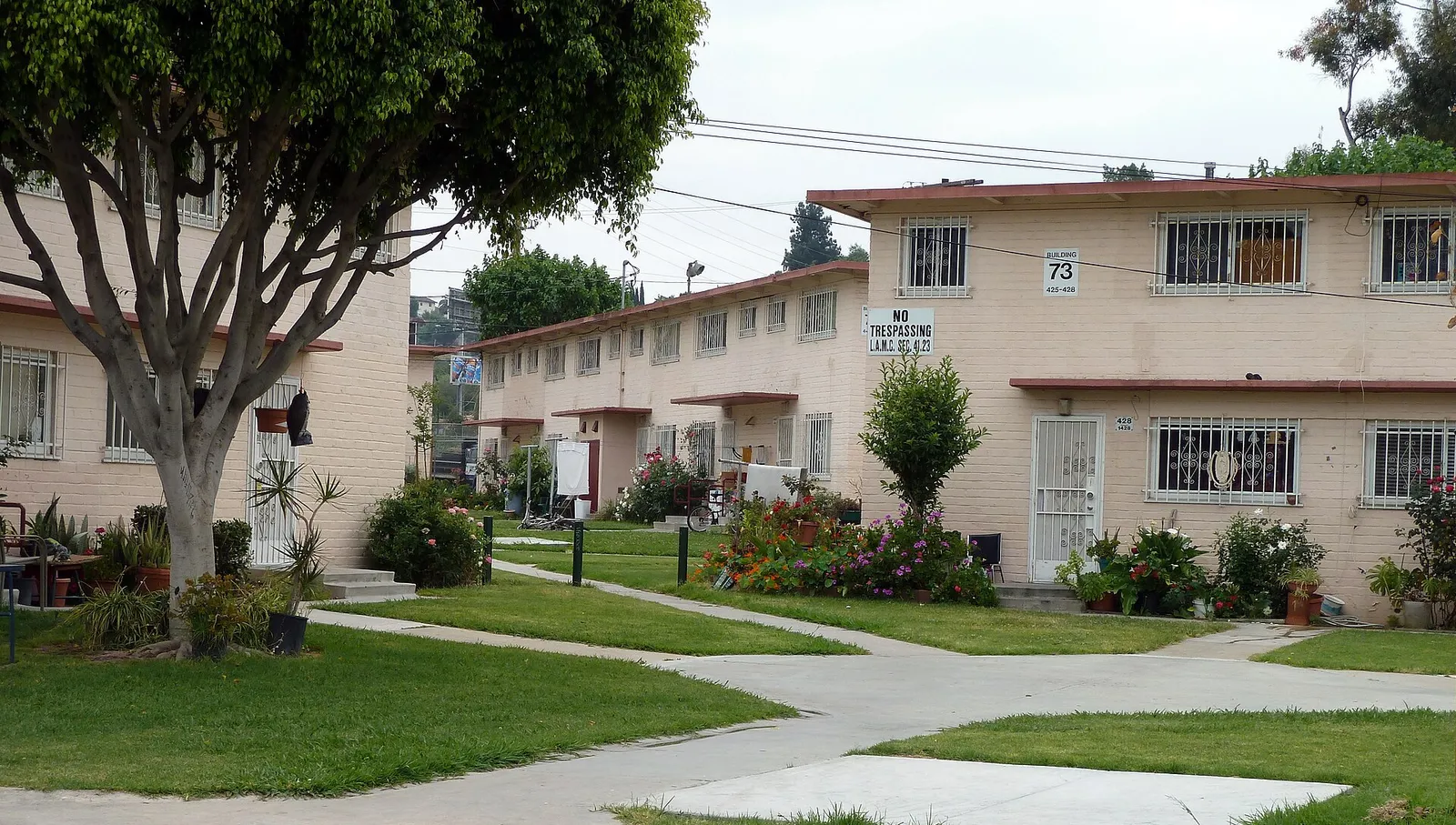
This is a dense residential stretch of unincorporated East Los Angeles, built over a subsurface layer of pipelines and utilities laid down across a century of industrial use. The immediate cause here was a boring crew hitting a line while installing telecommunications infrastructure, which is a routine job done routinely across the region.
That is the durable lesson available so far, ahead of any investigation findings: the map of what runs under these streets is only as good as the records, and the consequences of the records being wrong are borne by whoever lives above them.