

Living in Southern California means living with a certain low hum of seismic anxiety. A new study gives that hum a number, and it is a notable one.
What the study found
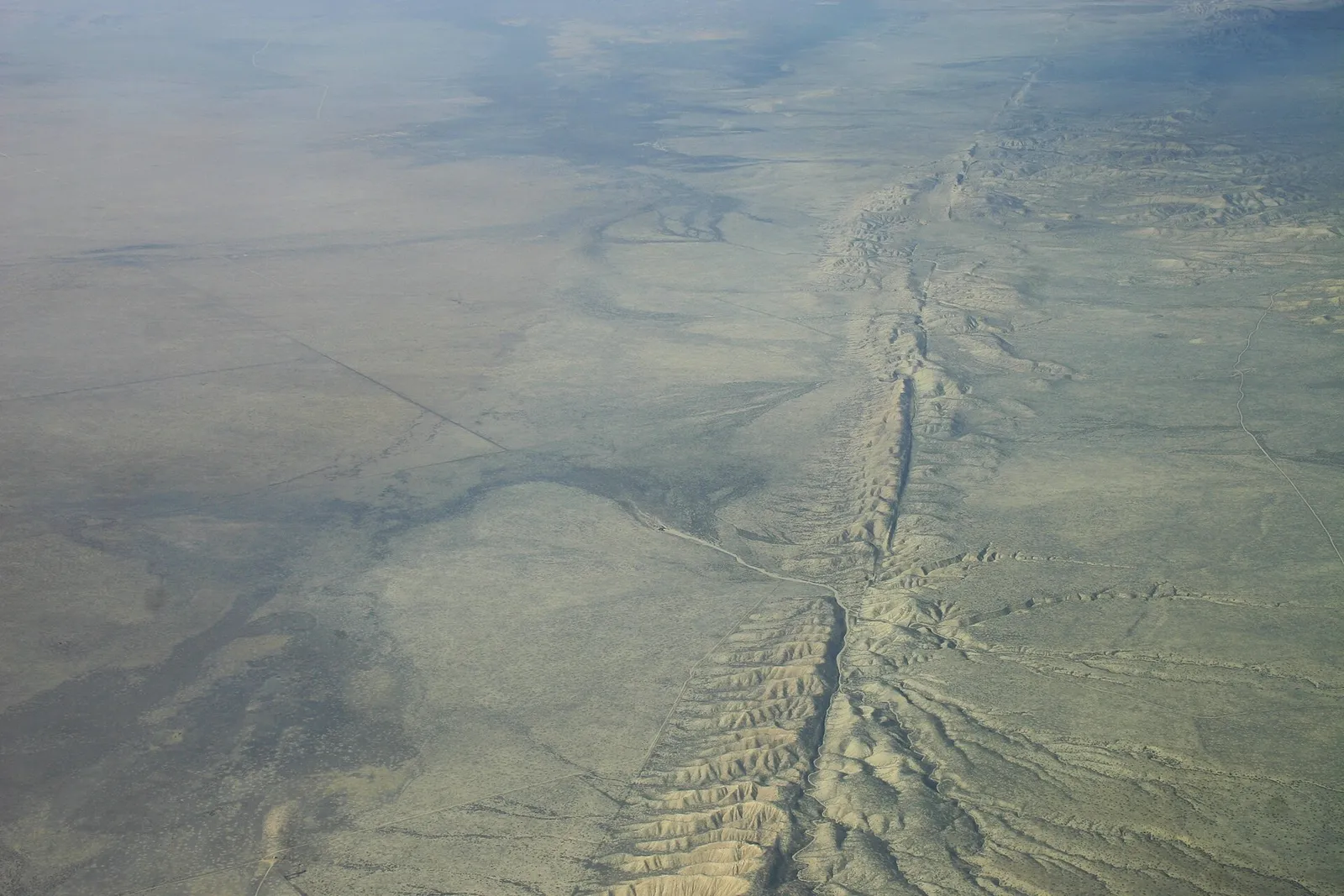
Researchers at the University of Hawaiʻi at Mānoa, publishing in the Journal of Geophysical Research: Solid Earth, modeled centuries of behavior along the San Andreas and San Jacinto faults and concluded that stress on the system has reached its highest level in 1,000 years. The lead author, Liliane Burkhard, described the faults as being in a "critically loaded state," with enough accumulated strain that a large earthquake could, in theory, tear across both fault systems at once rather than rupturing just one.
"Critical stress" is not a countdown clock. It is a measure of pressure that has been building in the rock as the Earth's plates grind past one another, pressure that is eventually released in an earthquake. A higher reading means more stored energy, not a scheduled release.
The crucial caveat
The researchers were emphatic on the point that matters most to the public. "This is not a prediction of when an earthquake will happen," Burkhard said. Seismologists can describe hazard, the long-run likelihood and potential size of a quake, but they cannot forecast the day one will strike. The study describes conditions, not timing.
What is true, and not new, is that the southern San Andreas is considered overdue. More than a century and a half has passed since its last major rupture on this stretch, far longer than the average interval between big quakes there. The U.S. Geological Survey has long estimated a roughly 59 percent chance of a magnitude 6.7 or larger earthquake striking the Los Angeles region within 30 years. The new stress findings sit alongside that assessment; they do not replace it.
What it means, and what to do
For Angelenos, the practical takeaway is the same as it has always been, only underscored. A major quake on the San Andreas is not a question of if but of when, and the smart response is preparation rather than alarm. Emergency officials recommend the basics: know to "drop, cover and hold on" when shaking begins; keep a stocked emergency kit with water, food, medications and a flashlight; secure heavy furniture and water heaters; and make a family communication plan for when phone networks fail.
None of that changes with a single study. But a finding that the fault is more loaded than it has been in a millennium is a useful, sober reminder that the ground beneath Southern California is not settled, and that the time to get ready is the ordinary, un-shaking day before.