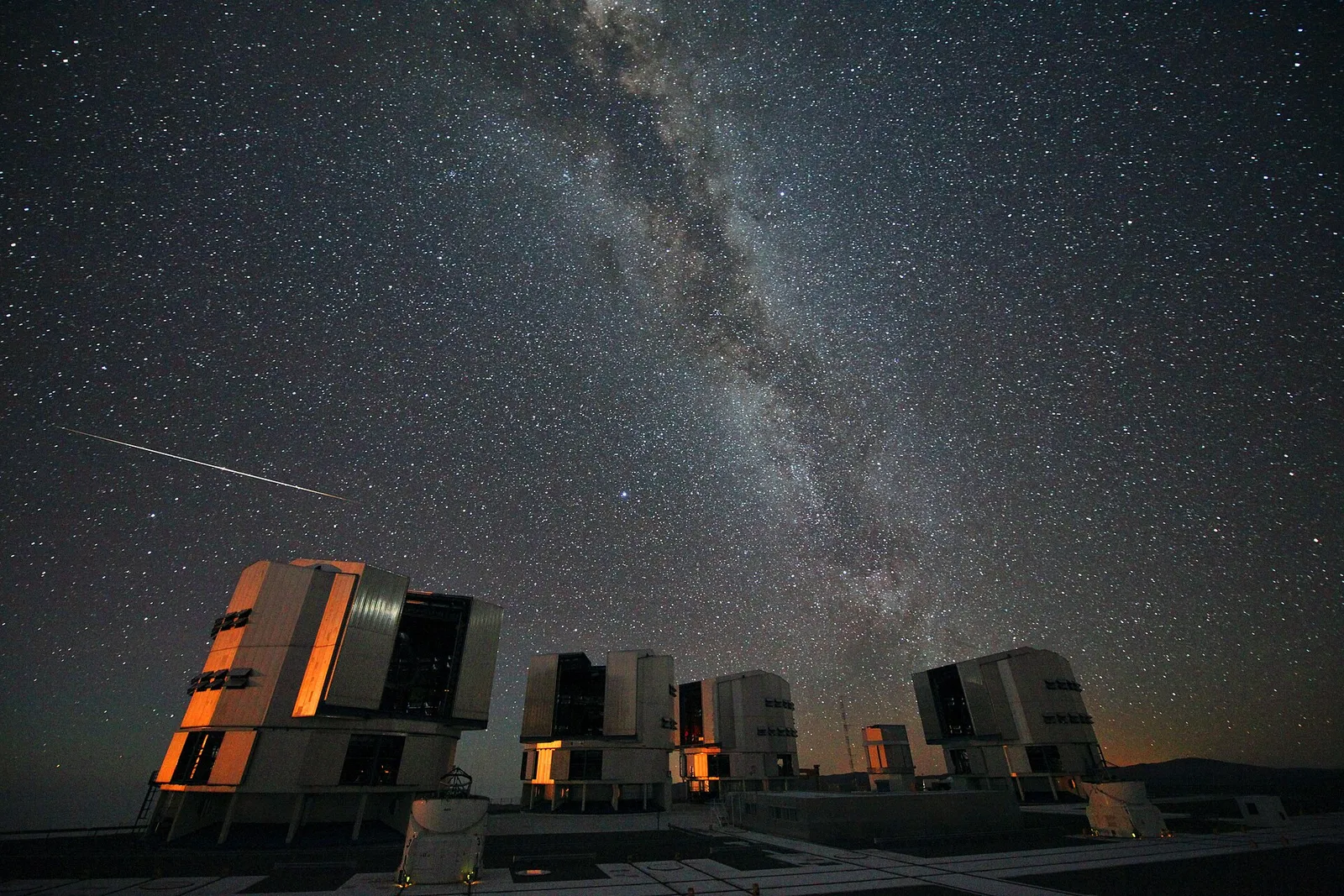
Summer's best sky show is on its way. The Perseid meteor shower, which delivers bright, fast "shooting stars" every year, is already active and building toward a peak in the middle of August, and this year the timing is unusually kind to anyone willing to stay up late.
When to look
The Perseids run for weeks, but the payoff is concentrated around the peak, expected on the nights of about August 12 and 13. The best viewing is in the pre-dawn hours, roughly 2 to 6 a.m., when your side of the Earth is turned into the stream of debris. Under a truly dark sky at the peak, forecasters say you might see up to around 100 meteors an hour; on ordinary nights, far fewer, but still a steady scattering.
Why 2026 is a good year
The single biggest enemy of a meteor shower is light, and the moon is often the culprit. This year, the peak lines up with a new moon, meaning the sky will be dark and even faint meteors should show through, a favorable setup that does not happen every August. The other enemy, city light, is one you can do something about.
What causes them
The Perseids are the Earth plowing through the trail of dust and grit left behind by Comet Swift-Tuttle. The tiny particles hit the atmosphere at enormous speed and burn up high overhead, each one drawing a brief, brilliant streak. They appear to radiate from the constellation Perseus, which is where the shower gets its name.
How to watch
You do not need a telescope; in fact, one only gets in the way, narrowing your view. The setup is simple: get away from lights, give your eyes at least 20 to 30 minutes to adjust to the dark, put the phone away, lie back, and take in as much sky as you can. Meteors can flash anywhere, so a wide, patient gaze beats staring at one spot.
Where to go in Southern California
The trouble for Angelenos is the glow of the city, which erases all but the brightest meteors. The fix is a drive. Southern California is ringed by genuinely dark places: the high desert around Joshua Tree, the vast Anza-Borrego Desert State Park to the southeast, and the mountains of the Angeles National Forest closer to town, all offer far darker skies than any backyard in the basin. Even getting 20 or 30 miles clear of the city lights helps a great deal. Bring a blanket and a jacket, since desert and mountain nights turn cold, pick a spot with an open view, and let the sky do the rest.