

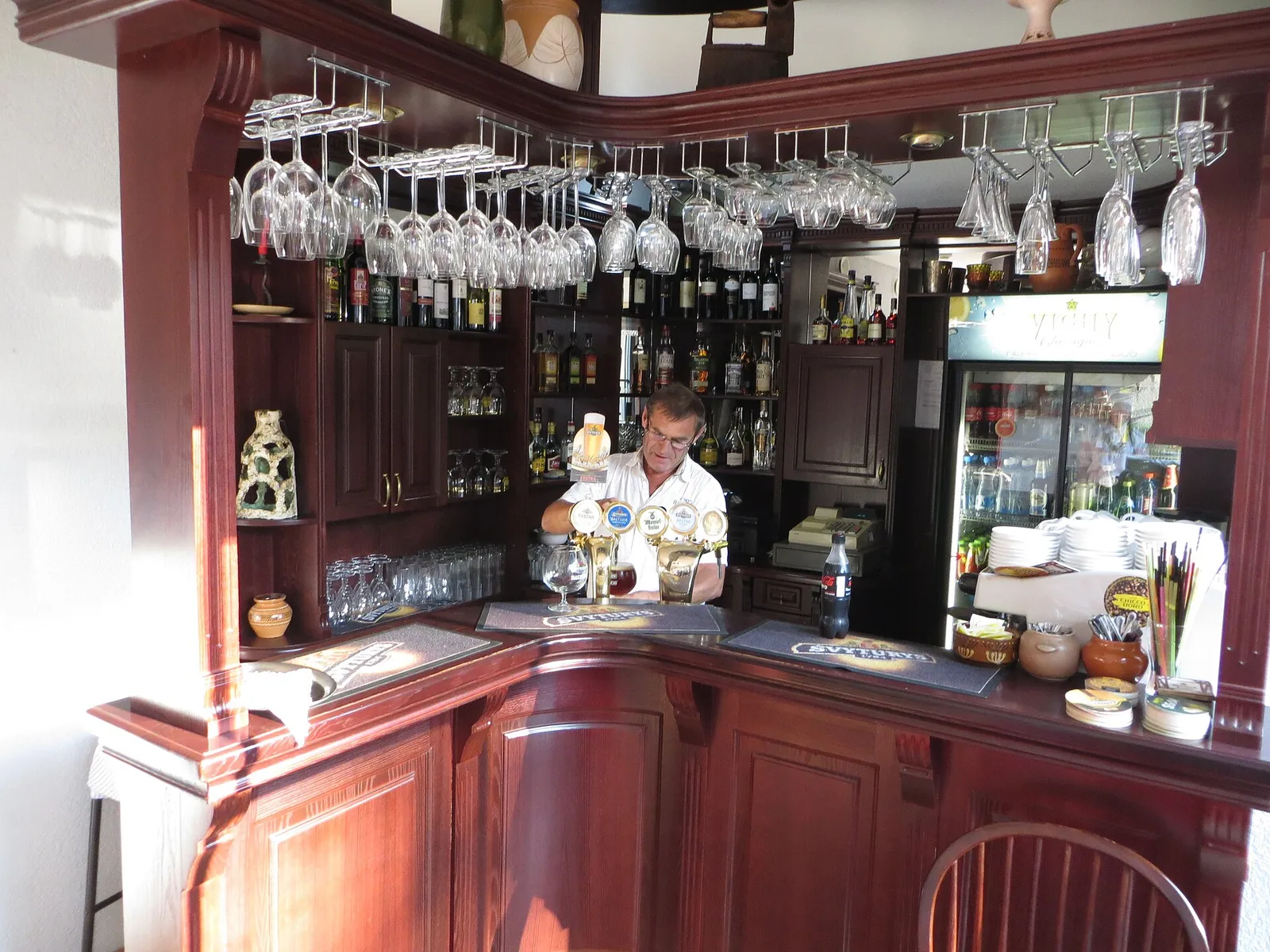
Soccer came to America this summer, and it brought a thirst with it. Across the country, the World Cup has turned bars and taprooms into gathering spots for a sport that Americans do not usually organize their afternoons around, and the tab has followed.
The numbers
In the tournament's host cities, beer sales at bars and restaurants ran about 14 percent higher over the first four weeks than a year earlier, with the national figure up a smaller but still notable amount, according to ESPN's reporting. Individual venues put up eye-catching totals: Philadelphia, one of the host cities, is said to have poured hundreds of thousands of stadium beers across its handful of matches. California, the reporting suggests, saw one of the biggest jumps of all in early sales, a fitting statistic for a state helping host the event.
Why it matters to brewers
The surge is especially welcome because of the backdrop. Beer has been losing ground for years as drinkers shift to other options, and the industry has been hunting for a spark. A global event that all but requires a cold drink and a big screen is about as good a spark as it gets. Brewers leaned in: the tournament's official beer sponsor threw watch parties by the tens of thousands worldwide, and rivals ramped up marketing and rolled out special packaging to catch the moment. At one well-known brewery's taproom, the founder described pouring beers almost as fast as the taps would allow during the busiest matches.
The catch
For all the froth, the boost may prove fleeting. Industry figures acknowledge that a tournament bump is not the same as a lasting change in habits, and beer's longer-term slide has not reversed. There was even a lesson in how fickle the enthusiasm can be: shares of some big beer companies wobbled when soccer-mad nations were knocked out of the tournament and their fans' spending cooled. The World Cup, in other words, is a party, and parties end.
The last call
That end is now here. With the final set for Sunday, the tournament's monthlong run of packed bars and emptied kegs is winding down, and the beer business will soon learn whether any of the newcomers it drew, the casual fans who wandered in for a match, come back for the next one. For a few weeks, at least, an old American pastime and the world's game found each other over a pint, and the cash registers rang. Whether it was a turning point or just a good summer will be measured, as ever, one round at a time.